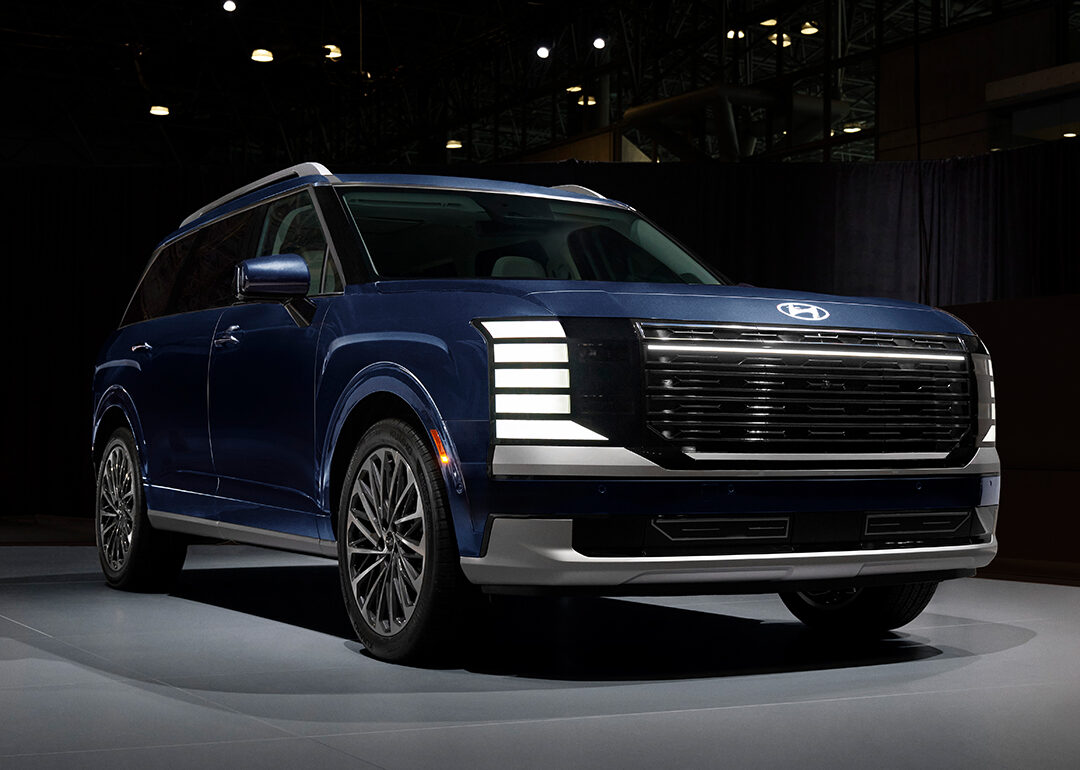
According to Hyundai Motor Company on the 28th, global Hyundai Palisade sales reached 192,285 units by November 2025, surpassing the previous annual record of 166,622 units set in 2024. This marks the highest sales performance since the model’s debut, fueled by growing demand for hybrid SUVs.
First launched in 2018, the Palisade quickly established itself as Hyundai’s flagship large SUV, combining premium design, advanced technology, and strong value. Its sales trajectory reflects steady global growth:
- 2020: 107,514 units
- 2021: 157,133 units
- 2022: 157,688 units
- 2023: 151,427 units
- 2024: 166,622 units (10% YoY increase)
- 2025 (Jan–Nov): 192,285 units
For two consecutive years, Palisade sales have exceeded 160,000 units, confirming its status as a consistent global bestseller.
The All New Palisade Drives First-Ever 200,000+ Annual Sales
In 2025, Hyundai introduced the completely redesigned “The All New Palisade”, six years after the original model’s launch. The new generation has been met with strong demand both domestically and internationally.
By November 2025:
- Domestic sales: 55,291 units
- Overseas sales: 136,994 units
This brings total annual sales to over 200,000 units for the first time in Palisade history, a significant milestone for Hyundai Motor Company.
U.S. Market Dominates Palisade Global Performance
The Hyundai Palisade continues to perform exceptionally well in the United States, its largest overseas market. Since its U.S. launch in 2019 through November 2025:
- U.S. cumulative sales: 592,425 units
- Total international sales: 761,927 units
The U.S. alone accounts for over 80% of Palisade’s cumulative overseas sales, underscoring the SUV’s strong appeal in North America’s large SUV segment.
Hybrid Model Emerges as the Core Growth Driver
Industry analysts point to the hybrid powertrain as a key factor behind Palisade’s growing popularity, particularly as consumers seek fuel efficiency without fully committing to EVs.
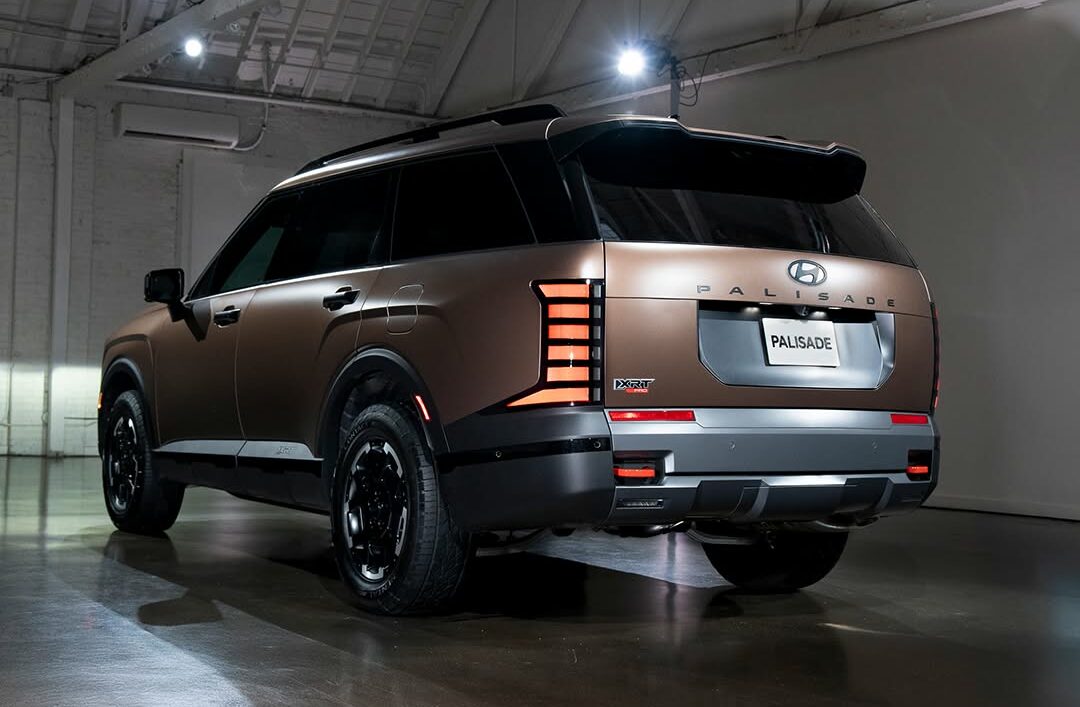
Key Highlights of The All New Palisade Hybrid:
- Available in 7-seater and 9-seater configurations
- Spacious three-row interior layout
- Two powertrains:
- 2.5L turbo gasoline
- 2.5L turbo hybrid with next-generation hybrid system
The hybrid model introduces EV-inspired technologies previously unavailable in hybrids, including:
- E-Ride and E-Handling motor-based driving technologies
- Indoor V2L (Vehicle-to-Load) functionality
- Stay Mode for enhanced in-vehicle comfort during stops
These features significantly enhance driving performance and convenience, bridging the gap between internal combustion vehicles and full EVs.
Hybrid Sales Share Surges Domestically and Overseas
The impact of the hybrid lineup is evident in sales data:
- Hybrid models accounted for over 61% of domestic Palisade sales between January and November 2025
- More than 20,000 hybrid units sold overseas during the same period
This positions the Palisade Hybrid as a core model within Hyundai’s global SUV lineup.
Hyundai Expands Hybrid Lineup Through 2030
Hyundai Motor Company plans to further capitalize on hybrid demand. At its CEO Investor Day in September, the company announced plans to expand its hybrid vehicle lineup to 18 models by 2030, covering:
- Entry-level and mid-size vehicles
- Full-size SUVs
- Luxury models
This strategy is designed to capture demand from customers seeking efficiency and performance during the EV market’s transitional phase.
Hyundai Palisade Strengthens Brand Leadership in the SUV Market
A Hyundai Motor Company official stated,
“The Palisade is gaining popularity as Hyundai Motor Company’s representative SUV due to increased leisure activities and growing demand for large interior spaces. The hybrid model, which offers excellent fuel efficiency and strong performance, is playing a key role in boosting Palisade sales.”
Conclusion: Multi-Powertrain Strategy Proves Its Value
As the global auto industry adjusts to fluctuating EV demand, Hyundai’s multi-powertrain approach under Chairman Chung Eui-sun is delivering measurable results. The record-breaking success of the Hyundai Palisade—especially its hybrid variant—demonstrates how strategic flexibility can drive growth even amid market uncertainty.