Hyundai and Kia is escalating its response to intensifying competition in South Korea’s electric vehicle market. With Tesla preparing to introduce a lower-priced Model 3 Standard and Chinese automakers such as BYD planning mass-market EV launches, Hyundai and Kia have implemented sweeping price cuts, ultra-low financing, and expanded ownership benefits.
The strategy reflects a clear shift: defending market share not just through technology, but through affordability, financing flexibility, and total cost of ownership.
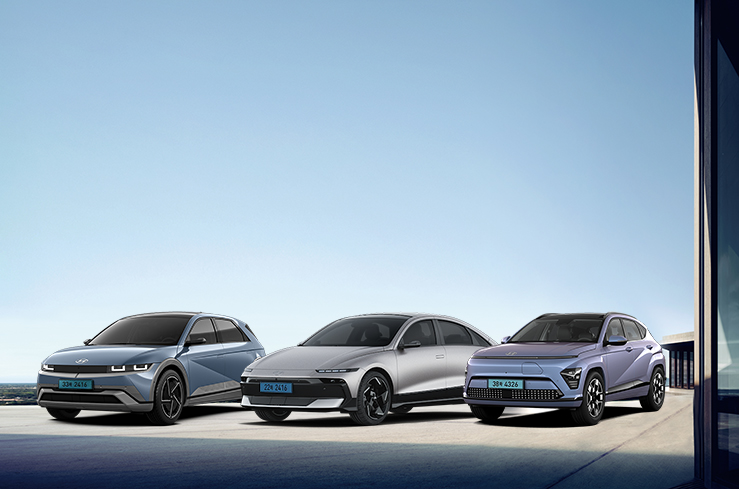
Hyundai Lowers EV Monthly Payments With Ultra-Low Financing
Rather than cutting sticker prices outright, Hyundai is focusing on lowering real-world ownership costs through its new “EV Burden Down” promotion, directly targeting Tesla’s financing-led value proposition.
Key elements include:
- Interest rate cut from 5.4% to 2.8%
- 36-month deferred payment program with guaranteed residual value
- Flexible end-of-term options including vehicle return, lump-sum payment, or installment extension
Hyundai EV Pricing With Global Equivalents
- Hyundai IONIQ 5 Standard
- List price: ₩47.4 million
- ≈ $32,300 / €29,400
- Monthly payment: ₩310,000
- ≈ $211 / €192
- About ₩50,000 ($34 / €31) less per month than previous promotions
- Hyundai IONIQ 6
- Monthly payment reduced from ₩330,000 to ₩260,000
- ≈ $225 → $177 / €205 → €161
- Hyundai Kona Electric
- Monthly payment reduced to ₩230,000
- ≈ $157 / €143
Hyundai estimates total customer benefits, including interest savings and vehicle discounts, of:
- IONIQ 5: ₩5.5 million ≈ $3,740 / €3,410
- IONIQ 6: ₩6.5 million ≈ $4,420 / €4,030
- Kona Electric: ₩6.1 million ≈ $4,150 / €3,780
This pricing positions Hyundai’s EVs squarely in the same affordability band expected for Tesla’s upcoming Model 3 Standard in Korea.
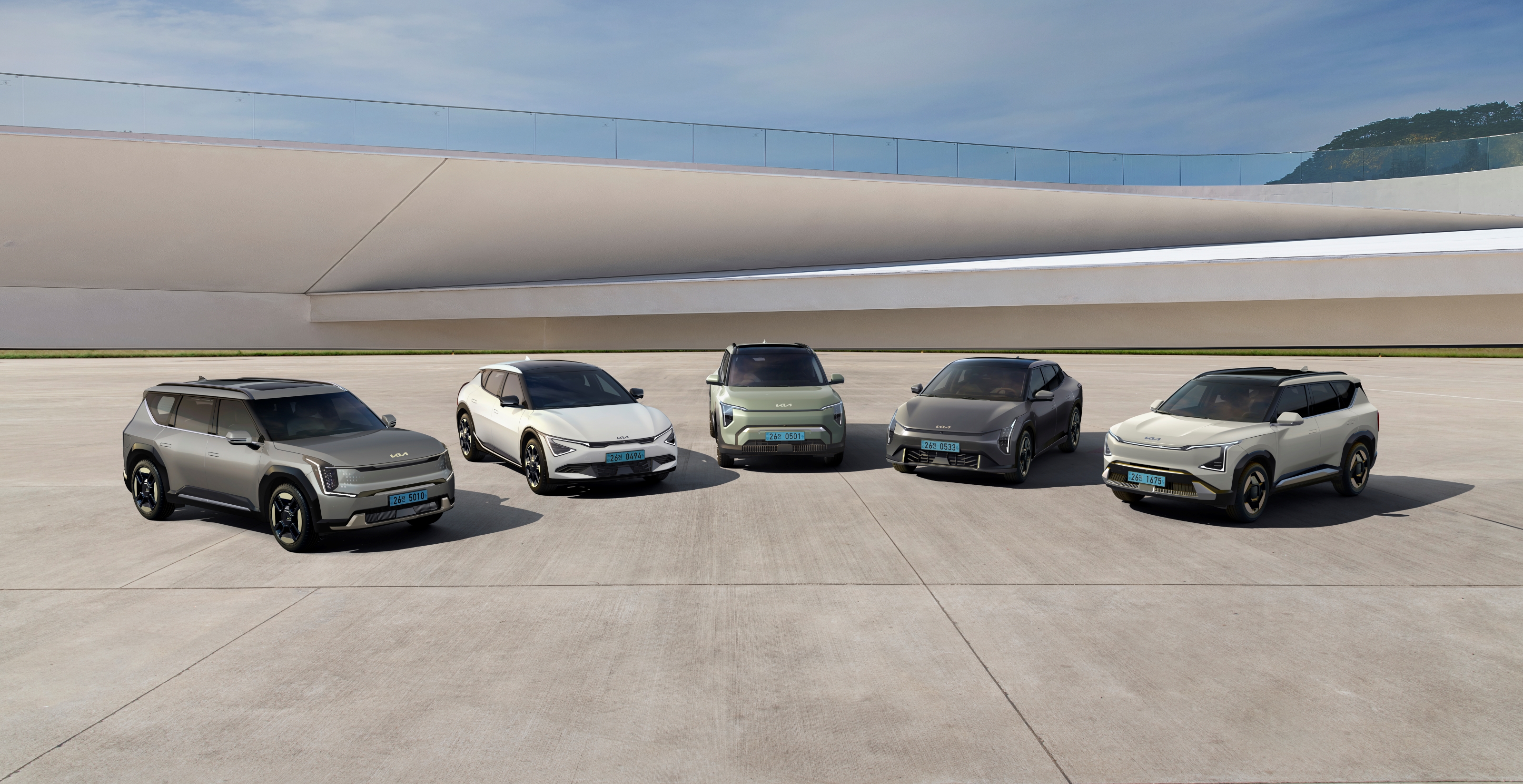
Kia Cuts EV Prices Directly to Counter Tesla and Chinese Rivals
Kia has taken a more aggressive approach by cutting retail prices outright, while simultaneously strengthening after-sales support and used-EV value protection.
Kia EV5 and EV6 Pricing With USD and EUR Comparisons
- Kia EV5 Long Range (Air trim)
- New price: ₩45.75 million
- ≈ $31,150 / €28,400
- Expected Seoul purchase price after subsidies: ₩37.28 million
- ≈ $25,400 / €23,100
- Kia EV5 Standard (new base model)
- Starting price: ₩43.1 million
- ≈ $29,300 / €26,700
- Estimated real-world price after subsidies: mid-₩34 million
- ≈ $23,100–23,800 / €21,000–21,600
- Kia EV6 Standard
- Starting price: ₩43.6 million
- ≈ $29,700 / €27,000
- After subsidies: ₩35.79 million
- ≈ $24,400 / €22,200
- Kia EV6 Long Range
- Starting price: ₩47.6 million
- ≈ $32,400 / €29,600
- After subsidies: ₩38.89 million
- ≈ $26,500 / €24,100
These prices bring Kia’s EVs into direct competition with Tesla’s entry-level offerings, not only in Korea but also on a global value comparison basis.
Low-Interest Financing and Used EV Value Protection
Beyond price cuts, Kia is reinforcing buyer confidence through:
- 0.8% (48-month) and 1.1% (60-month) financing for EV3 and EV4
- Expanded EV-specialized service centers nationwide
- Increased availability of partial high-voltage battery repairs
- Introduction of a used EV quality grading system
- Up to ₩1 million ($680 / €620) discounts for customers upgrading from used Kia EVs to new models
This mirrors Tesla’s ecosystem strategy while directly addressing concerns around EV depreciation.
Why Hyundai and Kia Acted Ahead of Tesla’s Model 3 Standard
Tesla and other foreign automakers are preparing to launch EVs starting in the ₩20 million ($13,600 / €12,400) range in Korea, primarily SUVs. A lower-priced Model 3 Standard could reset consumer price expectations if left unanswered.
By moving early, Hyundai and Kia are:
- Protecting domestic market share
- Preserving eligibility for EV subsidies
- Locking in buyers before Tesla’s new pricing lands
- Positioning Korean EVs competitively for global audiences