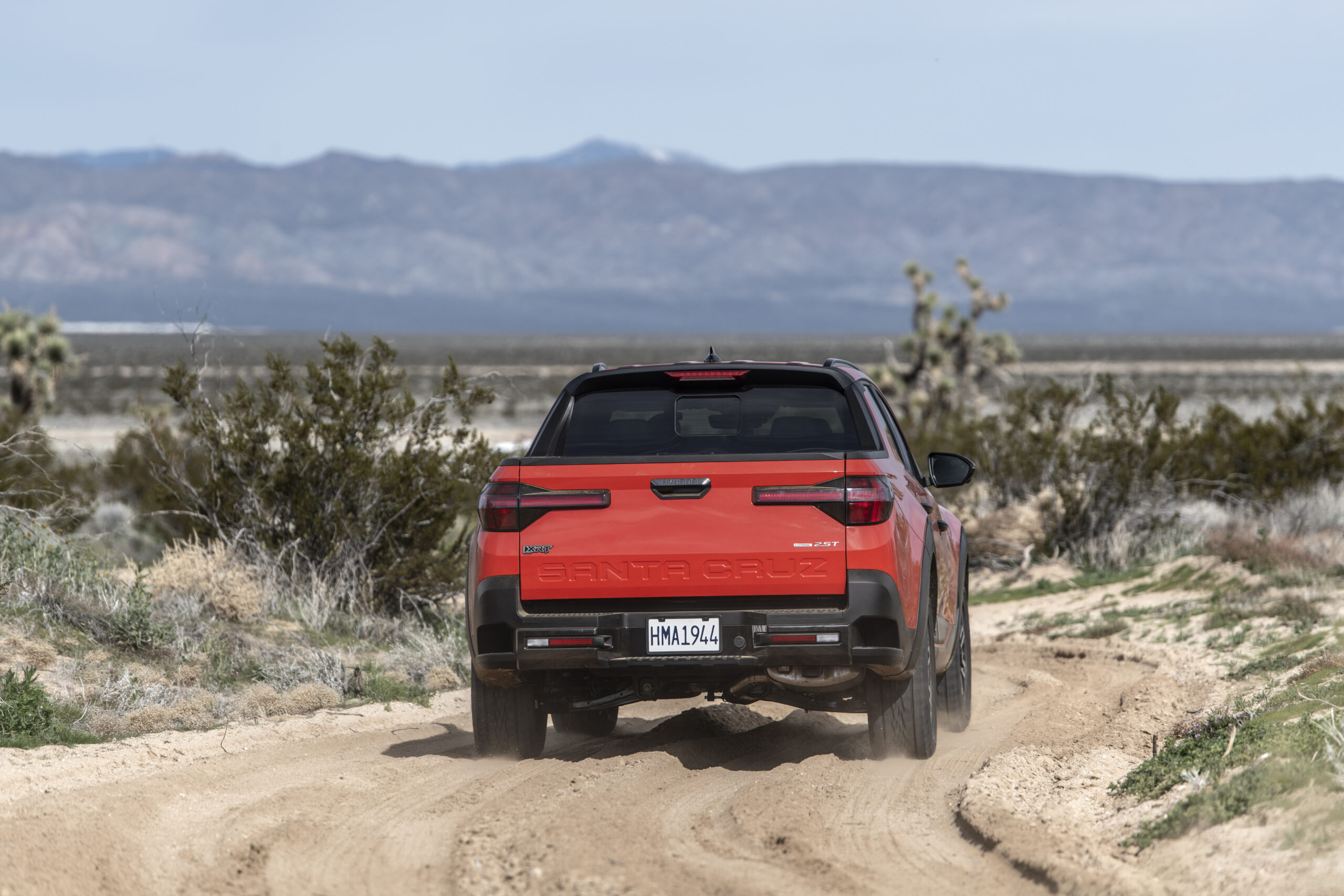
Hyundai is accelerating the discontinuation of its Santa Cruz compact pickup, ending production earlier than initially expected. While AutoNews has linked the move to a future, more capable pickup, a closer look at Hyundai’s product cadence suggests a different explanation: the next-generation Hyundai Tucson, which is expected to enter production in the first quarter of 2027. At the same time, broader economic and trade uncertainty casts doubt on whether Hyundai’s previously announced larger pickup remains on track—making it increasingly unlikely that Santa Cruz’s exit is tied to an imminent replacement.
Santa Cruz Ends Early After Struggling to Find Its Audience
Introduced for the 2022 model year, the Santa Cruz marked Hyundai’s first attempt at a four-door pickup for the U.S. market. Built on the Tucson platform, it emphasized ride comfort, interior quality, and lifestyle utility over traditional truck capability.
Despite its uniqueness, sales consistently trailed expectations, especially compared to the Ford Maverick. Dealer inventory remained elevated even after updates and off-road-inspired trims such as the Santa Cruz XRT. While this underperformance made the Santa Cruz vulnerable, sales alone do not fully explain the unusually early production sunset.
The Next-Generation Tucson Is the Most Plausible Driver
The more compelling explanation lies in Hyundai’s core SUV strategy.
Industry sources indicate that production of the next-generation Tucson is scheduled to begin in early 2027. As one of Hyundai’s highest-volume and most strategically important global models, the Tucson demands significant manufacturing focus, including:
- Line retooling
- Supplier realignment
- Platform transition planning
Because the Santa Cruz is directly derived from the current Tucson architecture, continuing pickup production into the next Tucson generation would add complexity and cost during a critical transition period. From a business perspective, ending Santa Cruz production early simplifies the changeover and allows Hyundai to fully prioritize a model that delivers far greater scale and profitability.
Why the “Larger Pickup” Theory Falls Apart
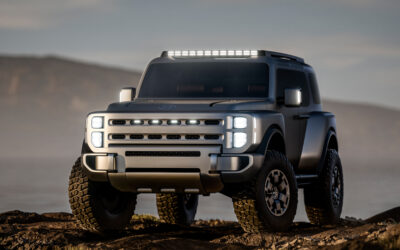
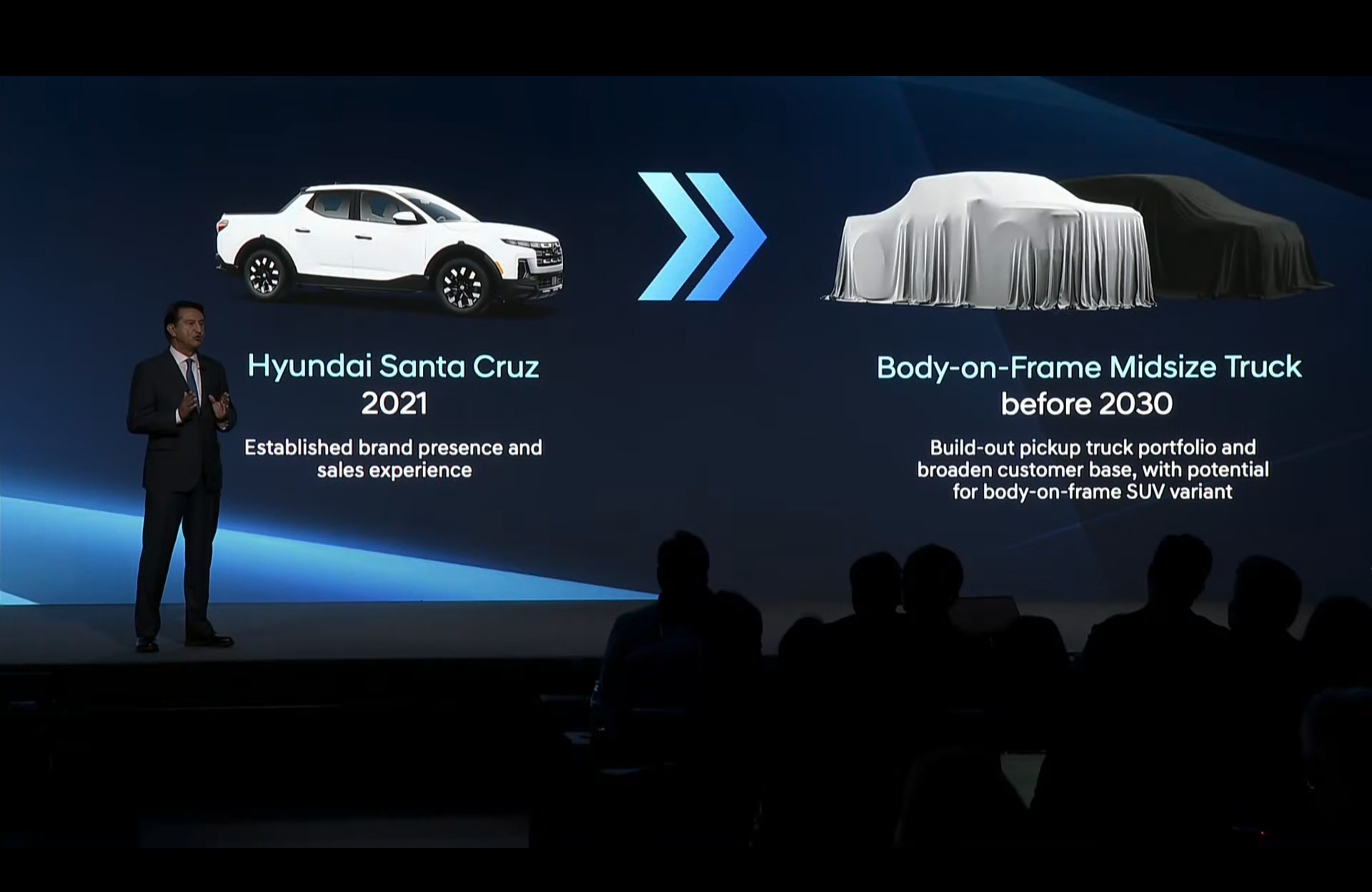
Hyundai did confirm plans for a larger, body-on-frame pickup during its 2025 CEO Investor Day, positioning it as a future U.S.-focused product with a target launch timeframe around 2029. However, that long-term horizon alone makes it unlikely that the Santa Cruz is being discontinued to make room for this truck.
More importantly, Hyundai’s current operating environment suggests caution rather than expansion.
Tariff Uncertainty Casts Doubt on Future U.S. Truck Projects
Hyundai is navigating renewed uncertainty surrounding U.S. tariffs on Korean automakers. Although earlier trade tensions appeared to ease, former President Donald Trump has recently stated that tariffs could rise again, potentially increasing rates from 15 percent to 25 percent.
While this tariff situation is not a reason for ending Santa Cruz production, it does materially affect the business case for launching an all-new, capital-intensive pickup in the U.S. market.
As a result, Hyundai could reasonably choose to:
- Place certain U.S.-focused projects on hold
- Delay investment-heavy programs
- Reassess pricing and sourcing strategies
This includes the larger pickup announced in 2025, which—despite its public confirmation—remains several years away and vulnerable to changing economic and political conditions.
Santa Cruz Was the Logical Model to Exit
Viewed holistically, the Santa Cruz sits at the intersection of multiple strategic realities:
- Modest sales and high inventory
- Platform overlap with a next-generation Tucson
- A cautious investment climate for new U.S. programs
Unlike the Tucson, the Santa Cruz is not a cornerstone product. In periods of transition and uncertainty, niche models are often the first to be cut—not because they are being replaced, but because they complicate broader priorities.
What This Means for Hyundai and the Compact Pickup Segment
The early end of the Santa Cruz leaves the compact pickup segment with limited competition, effectively reinforcing the Ford Maverick’s dominance. For Hyundai, the move signals a shift toward consolidation and risk management, not abandonment of the truck market altogether.
Any future Hyundai pickup—if and when it arrives—will likely wait for:
- Greater trade clarity
- Stable cost structures
- Stronger confidence in long-term U.S. truck demand
Conclusion
Despite early speculation, the end of Santa Cruz production is far more closely tied to the upcoming next-generation Tucson than to any imminent pickup replacement. While Hyundai has outlined plans for a larger truck targeting a 2029 launch, tariff uncertainty and broader economic pressures may force a reassessment of that timeline.
For now, Hyundai appears focused on protecting its core, high-volume products—making the Santa Cruz an early casualty of strategic prioritization rather than a stepping stone to something bigger.