
The global hydrogen electric vehicle (FCEV) market reached a significant milestone last year, growing by 24.4% as clean energy adoption accelerates. According to the latest data from market research firm SNE Research, total global sales hit 16,011 units, marking a turning point for hydrogen-powered mobility.
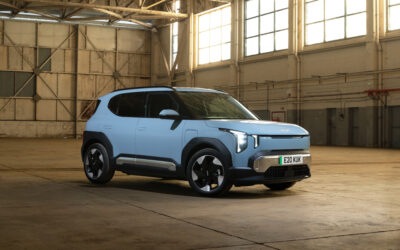
Leading this green revolution is Hyundai Motor Company, which solidified its dominance by capturing nearly half of the global market share, largely driven by the highly anticipated release of The All New Nexo.
Hyundai Dominates with 43% Market Share
Hyundai remains the undisputed leader in the hydrogen sector. Last year, the South Korean automaker sold 6,861 hydrogen vehicles, a staggering 78.9% increase from the previous year.
- Market Share Growth: Hyundai’s global share jumped from 29.8% to 42.9% in just twelve months.
- Domestic Success: In South Korea alone, Nexo sales skyrocketed by 106.4%, totaling 5,678 units.
- The Nexo Advantage: The “All New Nexo,” Hyundai’s first fresh hydrogen model in seven years, boasts an impressive driving range of up to 720 km on a single charge, setting a new benchmark for FCEV performance.
Global Market Performance: Winners and Losers
While Hyundai surged, other major players faced a more challenging landscape.
| Brand | Units Sold (Last Year) | YoY Change | Market Share |
| Hyundai | 6,861 | +78.9% | 42.9% |
| Chinese OEMs | 7,797 | +9.6% | 48.7% |
| Toyota | 1,168 | -39.1% | 7.3% |
| Honda | 185 | New Entry | 1.2% |
China remains the largest overall market by country share (48.7%), primarily driven by a robust demand for hydrogen-powered commercial vehicles like trucks and buses. A significant sales rush occurred late last year as buyers looked to capitalize on full purchase tax exemptions for new energy vehicles before the policy shifted.
In contrast, traditional markets like the United States, Europe, and Japan saw sales declines of 20% to 30%. Toyotaexperienced a 39.1% drop in sales for its Mirai and Crown models, while Honda’s hydrogen CR-V struggled to gain immediate traction, capturing only 1.2% of the market.+1
Why Hydrogen? The Ultimate Eco-Friendly Fuel
Hydrogen is widely regarded as the “best” eco-friendly energy source because its only emission is pure water. When hydrogen meets oxygen in a fuel cell stack to generate electricity, there are zero carbon byproducts, making it a critical pillar for global carbon neutrality goals.+1
The Road Ahead: Challenges for 2026 and Beyond
Despite the record growth, SNE Research identifies three critical factors that will determine if the hydrogen market can sustain this momentum:
- Infrastructure Expansion: The speed of building hydrogen charging stations must match the increasing number of vehicles on the road.
- Commercial Viability: Transitioning from one-time “demonstration” projects to sustainable, long-term commercial operations for trucks and buses.
- Policy Stability: Consistent government subsidies are essential to stabilize the Total Cost of Ownership (TCO)and keep hydrogen vehicles competitive with battery EVs and diesel alternatives.