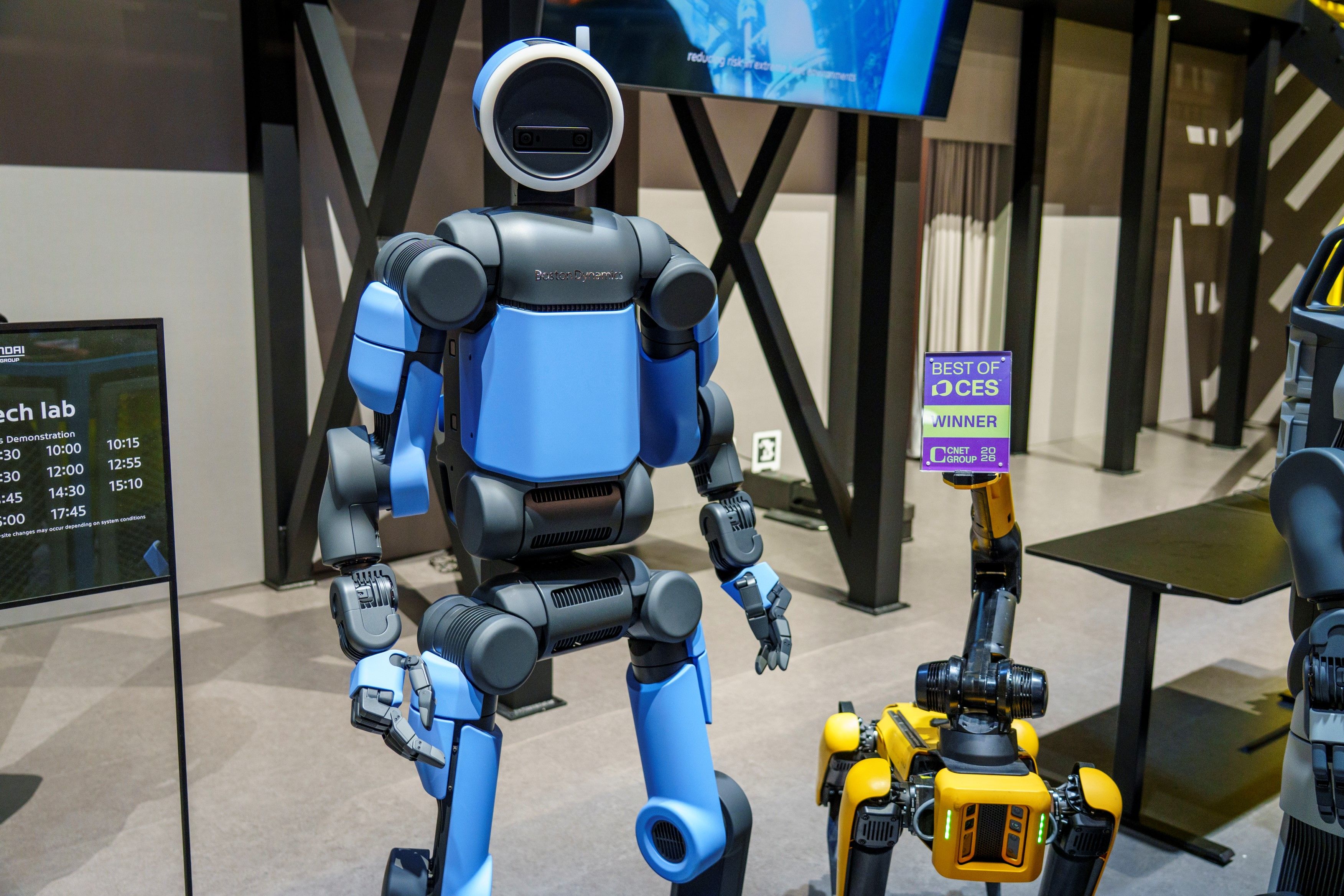
The race for “Physical AI” dominance is heating up. Hyundai Motor Group, through its robotics powerhouse Boston Dynamics, has officially signaled its intent to mass-produce the Atlas humanoid robot. According to recent ETNews report from February 26, 2026, Hyundai is aggressively building a global supply chain to challenge Tesla’s Optimus for leadership in the robotics market.
The Atlas Roadmap: From Prototype to Mass Production
Hyundai’s strategy involves a rapid scale-up designed to transition Atlas from a laboratory marvel to a factory staple. The production timeline is divided into three critical phases:
- 2027: Initial production begins.
- 2028: Mass production launches with a target of 35,000 to 40,000 units.
- 2029: Production capacity quadruples to 150,000 units annually.
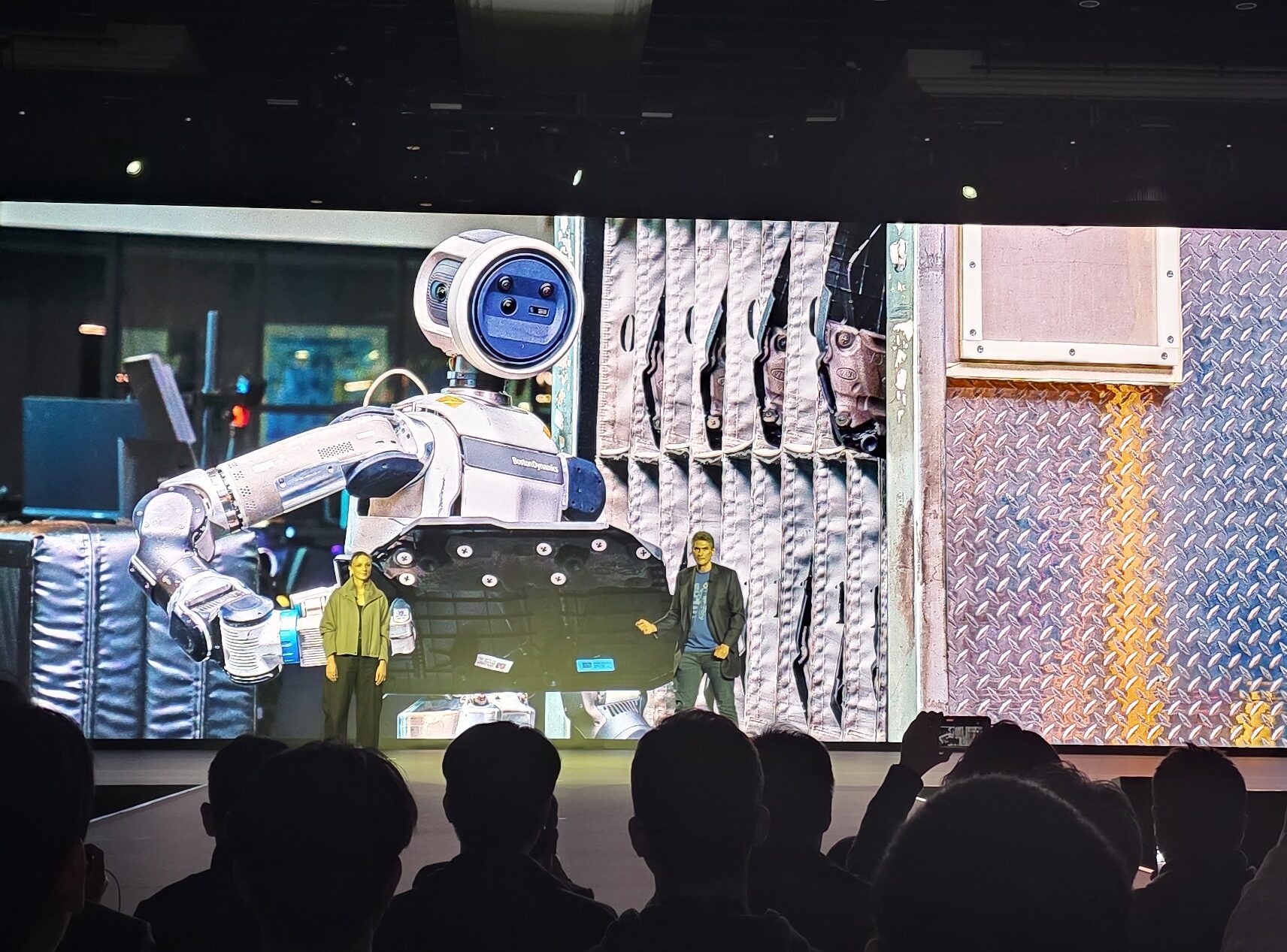
To support this surge, Hyundai has already begun deploying Atlas at its HMGMA (Hyundai Motor Group Metaplant America) facility in Georgia. This real-world testing ground allows the group to refine the robot’s utility in automotive manufacturing before expanding to external markets.
Economies of Scale: Slashing Costs to $20,000
One of the biggest hurdles for humanoid robotics has always been the price tag. Hyundai’s aggressive volume targets are a direct play for economies of scale.
| Production Volume | Estimated Cost Per Unit |
| Initial Units | $130,000 – $140,000 |
| After 50,000 Units | $30,000 |
| At 150,000 Units | ~$20,000 |
By hitting the 150,000-unit mark, Hyundai expects to bring the cost of Atlas down to approximately $20,000. This aligns perfectly with Tesla’s price target for Optimus, making humanoids a viable investment for general industrial and logistics applications.
The “Physical AI” Battle: Hyundai vs. Tesla
While Tesla’s Optimus has enjoyed significant media attention, industry experts note that Hyundai is leveraging its deep manufacturing heritage and strategic partnerships to close the gap.
Why Hyundai is Moving Fast:
- Closing the Capacity Gap: Tesla has set an ambitious goal of 1 million units by 2030. Hyundai’s jump to 150,000 units is a strategic move to ensure they aren’t left behind.
- External Collaboration: Hyundai is working closely with Google and other tech giants to integrate advanced AI into Atlas’s hardware.
- Global Supply Chain: The group is currently holding competitive bidding and technology verification with partners to secure high-quality parts at high volumes.
- Competitive Pressure: Beyond Tesla, Hyundai is wary of Chinese robotics companies that are rapidly increasing their presence in the global market.
The Future of the Humanoid Market
An industry insider noted that the pressure is on: “Hyundai must take the lead before Chinese competitors and first-movers like Tesla dominate the Physical AI landscape.” While Hyundai officially keeps its long-term production plans under “security protocols,” the move to secure a massive supply chain suggests that the era of the mass-market humanoid is no longer a matter of if, but when.