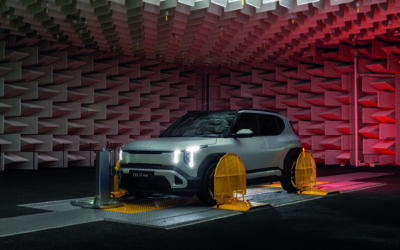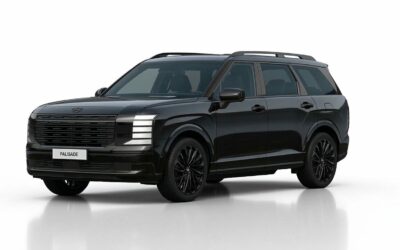
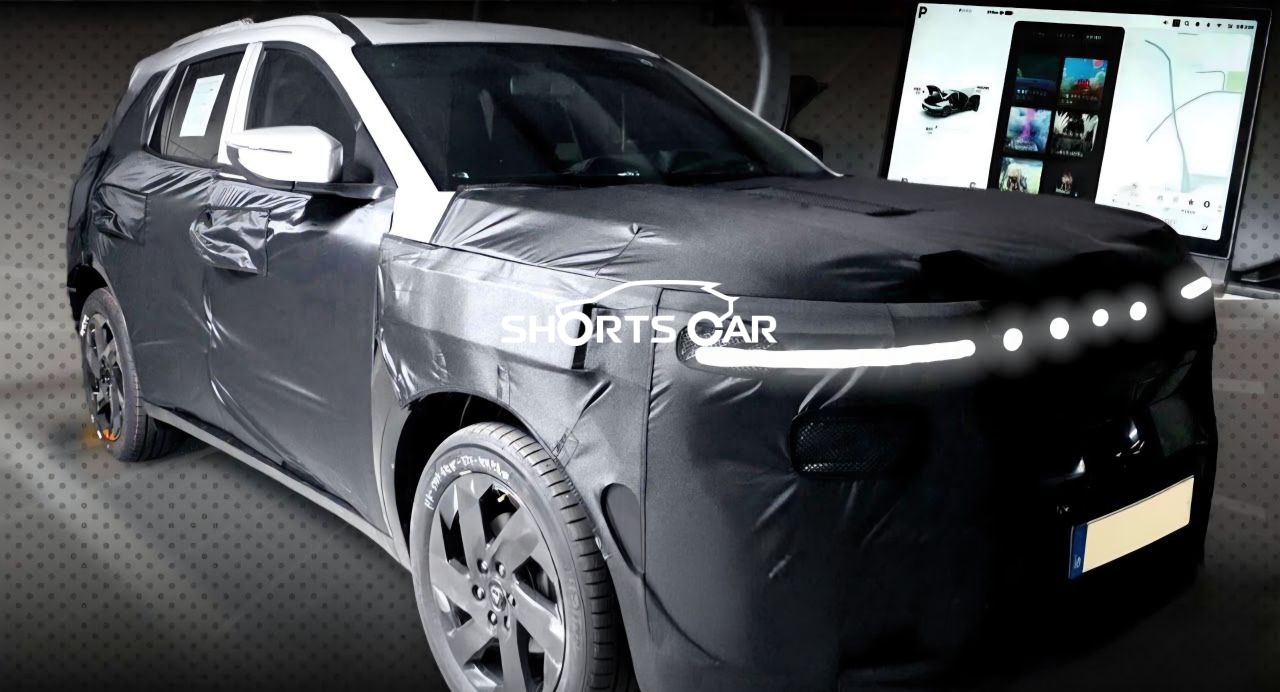
While the industry standard typically dictates a mid-cycle refresh every three to four years, Hyundai has signaled a more aggressive approach for its Kona subcompact SUV cornerstone. The development of the Hyundai Kona (codenamed as SX3) captured by our colleagues at ShortsCar, marks a departure from the traditional “facelift” playbook, leaning instead toward a full-model change ethos that aims to disrupt the recently released Kia Seltos.
The SX3 Paradigm: Why Hyundai is Skipping the Facelift
In the hyper-competitive B-SUV segment, “staying relevant” is no longer enough. Sources within the Namyang R&D Center suggest that the SX3 project was accelerated to address a shifting consumer demand for more premium, tech-heavy small vehicles.
By bypassing a minor aesthetic refresh, Hyundai has implemented large-scale structural and architectural changes. This move reflects a broader “Premium Small Car” strategy, elevating the Kona from a budget-friendly entry point to a high-specification challenger capable of pulling customers from the C-segment above.
Design Language: The “Crater Concept” Influence
The exterior of the Kona SX3 moves away from the quirky, split-light heritage of the previous generations toward a more cohesive, futuristic aesthetic.
- Inspired by the Crater Concept: The design DNA pulls heavily from Hyundai’s recent off-road and EV studies, featuring the “Seamless Horizon” lamp—a signature horizontal LED strip that provides a wider, more imposing stance.
- Aggressive Proportions: With a taller hood line and a more vertical front fascia, the SX3 sheds its hatchback-like silhouette for a more rugged, “true SUV” profile.
- Pixel-Level Detailing: High-trim variants are expected to integrate parametric pixel elements in the lighting units, aligning the ICE (Internal Combustion Engine) Kona with the IONIQ EV sub-brand.
Interior Architecture: The “Bridge-Style” Revolution
The SX3’s cabin is designed to invalidate the “Small SUV” label. The redesign focuses on high-utility space management and premium interfaces:
- Dual 12.3-inch Panoramic Displays: The integrated digital cluster and infotainment system create a cockpit environment previously reserved for the Tucson or Santa Fe.
- Bridge-Style Center Console: By moving the gear selector to a column-mounted “Shift-by-Wire” stalk (similar to the Ioniq 5), Hyundai has freed up the center tunnel. This “bridge” design allows for massive storage under the console, ideal for larger items.
- Elevated Trim Levels: The use of ambient lighting and refined air-vent integration moves the Kona closer to a “luxury subcompact” than a utilitarian commuter.
Software-Defined Mobility: The “Pleos Connect” Debut
The most critical evolution of the SX3 is its transition into a Software-Defined Vehicle (SDV). The Kona is slated to feature Hyundai’s next-generation platform, Pleos Connect.
| Feature | Technical Impact |
| Pleos OS Architecture | Decouples hardware from software, allowing for faster, more stable system performance. |
| Deep-Integrated OTA | Over-the-air updates now extend beyond maps to include powertrain tuning and suspension calibration. |
| Gleo AI Assistant | A generative AI voice interface capable of managing complex vehicle functions through natural language. |
| Advanced L2+ ADAS | Recent prototypes have been spotted with dual front radars, indicating a leap toward more advanced autonomous functions and improved object detection in dense urban environments. |
Market Positioning: Kona SX3 vs. Kia Seltos
While the Kia Seltos has traditionally won on size and value, the SX3 Kona aims to win on technological superiority and refinement. With the Seltos continuing its current life cycle, the Kona’s aggressive hardware and software update gives it a clear window to capture the “early adopter” demographic in the Korean and global markets.