
In a strategic move to bolster its position in the global electric vehicle (EV) market, Hyundai Motor Group has announced plans to introduce a new class of mid-priced batteries. This initiative aims to bridge the cost gap with Chinese competitors while challenging Tesla’s stronghold in the affordable EV segment.
The Shift Toward Mid-Tier Battery Technology
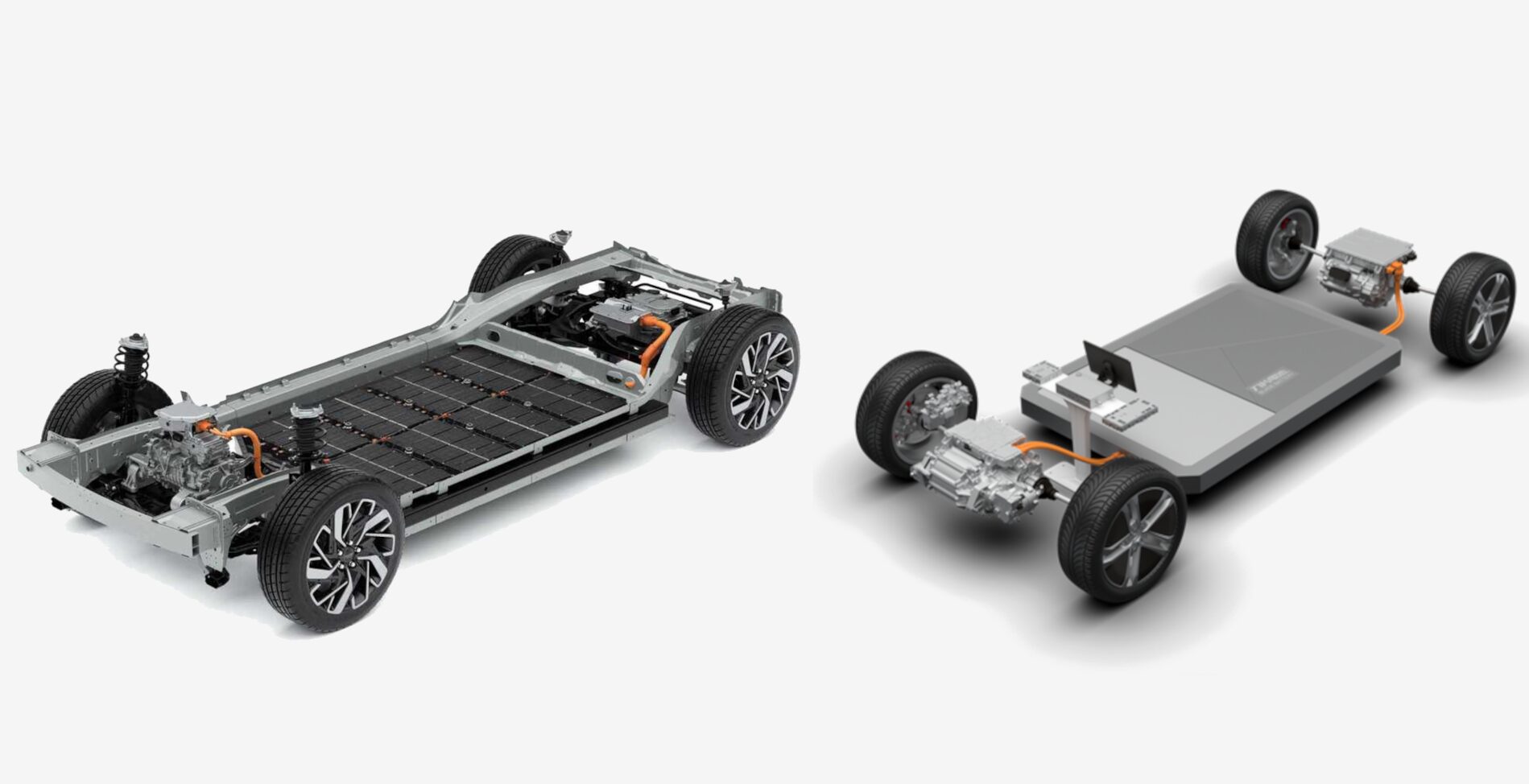
For years, the EV industry has been divided between high-performance Nickel-Cobalt-Manganese (NCM) batteries and cost-effective Lithium Iron Phosphate (LFP) batteries. Hyundai’s latest strategy focuses on a “mid-tier” NCM battery—a solution designed to offer better energy density than LFP while remaining significantly more affordable than premium long-range batteries.
By implementing this technology across its key EV models, Hyundai intends to offer consumers a compelling middle ground: vehicles that maintain respectable range and performance without the premium price tag typically associated with South Korean battery tech.
Competitive Landscape: Rivaling LFP and Tesla
The primary motivation behind this shift is the increasing dominance of LFP batteries, which are championed by Chinese manufacturers like BYD and CATL. These batteries have allowed Chinese automakers and Tesla to lower entry-level prices, putting pressure on traditional automotive giants.
Hyundai’s new mid-tier NCM batteries are expected to:
- Narrow the Price Gap: Lowering production costs to compete directly with LFP-powered vehicles.
- Enhance Efficiency: Providing superior performance in cold climates compared to standard LFP chemistry.
- Strengthen Partnerships: Leveraging domestic expertise from South Korean battery leaders.
Timeline for Implementation
The rollout of these new power cells is part of a phased strategy involving Korea’s top battery manufacturers.According to industry reports:
- SK On is slated to be the first supplier of these mid-tier batteries in 2027.
- LG Energy Solution and Samsung SDI are expected to follow with their own iterations in 2028.
This timeline aligns with Hyundai’s broader goal of diversifying its supply chain and reducing reliance on external battery sources that may be subject to geopolitical or logistical volatility.
Strategic Impact on the EV Market
Hyundai’s decision signals a broader industry trend where “one-size-fits-all” battery strategies are being replaced by tiered offerings. By providing a mid-tier option, Hyundai can cater to a wider demographic of drivers who are ready to transition to electric mobility but remain price-sensitive.
As the 2027 launch approaches, the automotive world will be watching closely to see if this hybrid approach to cost and chemistry can successfully disrupt the momentum of low-cost LFP alternatives.