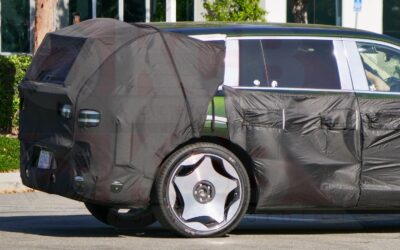
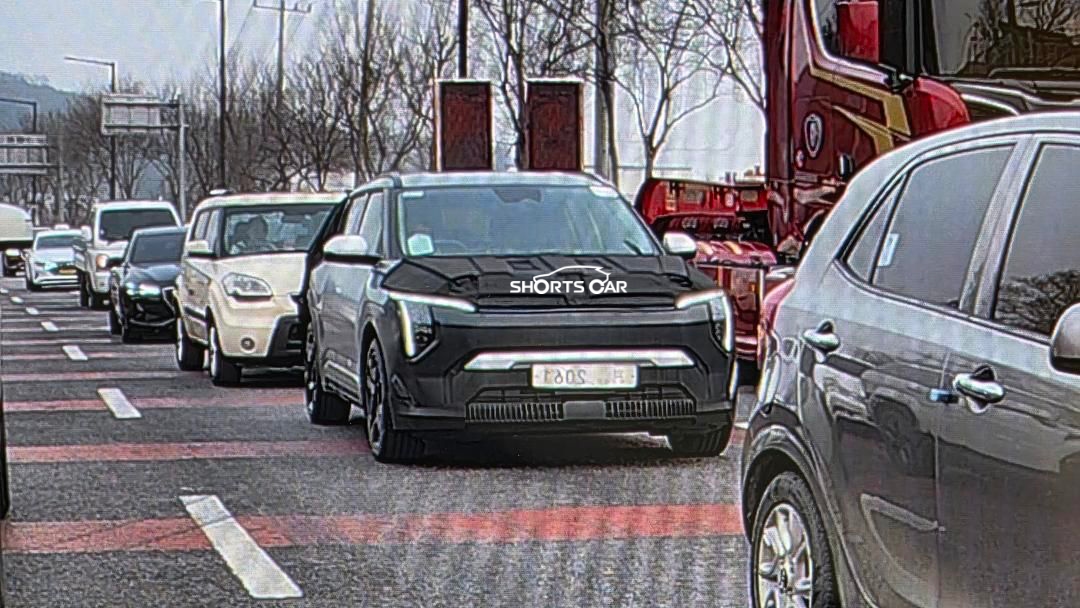
Our colleagues at ShortsCar captured the first sightings of the Kia EV3 facelift prototype. While the EV3 has only recently hit major markets, Kia is already pushing forward with mid-cycle refinements to solidify its dominance in the compact electric SUV segment. With expected upgrades to software, hardware reliability, and energy density, the upcoming refresh aims to address early adopter feedback while debuting the brand’s latest tech suite. The EV3 is expect to hit the showrooms in late 2027.
First Sightings: Design Evolution
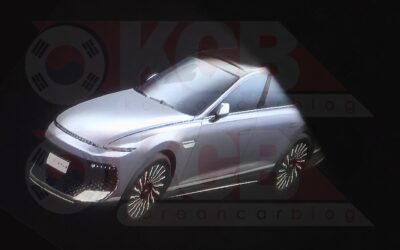
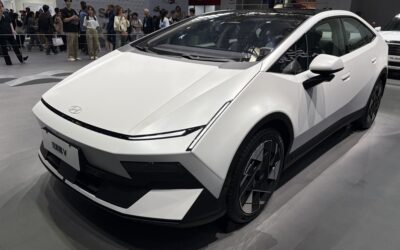
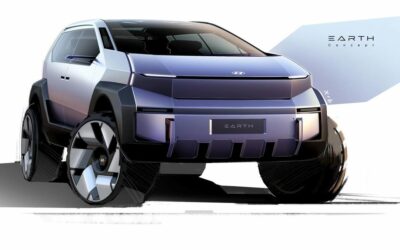
While the exterior of the recently spotted Kia EV3 facelift prototypes remains familiar, the lack of visual changes points toward a major mechanical and digital evolution. Don’t expect a big update as the concept that anticipates the new design identity, the Vision Meta Turismo, shows a light evolution over the Opposites United philosophy.
The early prototypes are likely testbeds for Hyundai Motor Group’s Gen 4 battery technology. While the current model uses 58.3 kWh and 81.4 kWh packs, the update is rumored to increase energy density by roughly 10% without increasing the battery’s physical footprint.
The Arrival of Pleos Connect
One of the most significant cabin upgrades will be the transition to Pleos Connect. This is the Hyundai Motor Group’s next-generation infotainment system built on Android Automotive OS (AAOS).
| Feature | Improvement with Pleos Connect |
|---|---|
| User Interface | Smartphone-like fluid navigation and customizable widgets. |
| Connectivity | Deeper integration of native apps like Spotify and Google Maps without needing a phone. |
| Voice Control | Enhanced natural language processing via the “GLeo AI” assistant. |
| OTA Updates | Faster, more frequent Over-the-Air updates for everything from motor maps to safety features. |
Solving the ICCU “Ghost in the Machine”
The Integrated Charging Control Unit (ICCU) has been a point of contention for E-GMP platform owners, sometimes causing 12V battery drain or total vehicle immobilization.
For the EV3 facelift, Kia should introduce a hardware-level ICCU fix. Unlike previous software-only patches, the new units will feature:
- Enhanced Thermal Management: Improved cooling to prevent the MOSFET transistors from popping during high-load V2L (Vehicle-to-Load) sessions.
- Redesigned Capacitors: New components designed to handle voltage spikes more effectively.
- Extended Peace of Mind: This hardware revision coincides with Kia’s recent 15-year/300,000km ICCU warranty extension in select markets, signaling their confidence in the new design.
Increased Battery Density & Range
While the current EV3 offers impressive 58.3 kWh and 81.4 kWh options, rumors suggest a jump in energy density for the facelift. By utilizing fourth-generation battery cells with higher nickel content, Kia may increase the “Long Range” capacity toward the 84 kWh mark (similar to the updated EV6).
This shift isn’t just about total capacity; higher density means a lighter pack for the same amount of energy, which improves handling and reduces consumption. We expect the range to push past the current 600 km (WLTP) mark in top-tier trims.
What’s Next?
The Kia EV3 facelift is expected to make its official debut in late 2027 an be launched in the U.S as 2028 model. With the ICCU issues finally put to bed and the introduction of Pleos Connect, the EV3 is positioning itself as the most technologically mature compact EV on the market.

Get the Weekly Top 10
Join our newsletter and receive the most viewed Korean Car news every Tuesday.