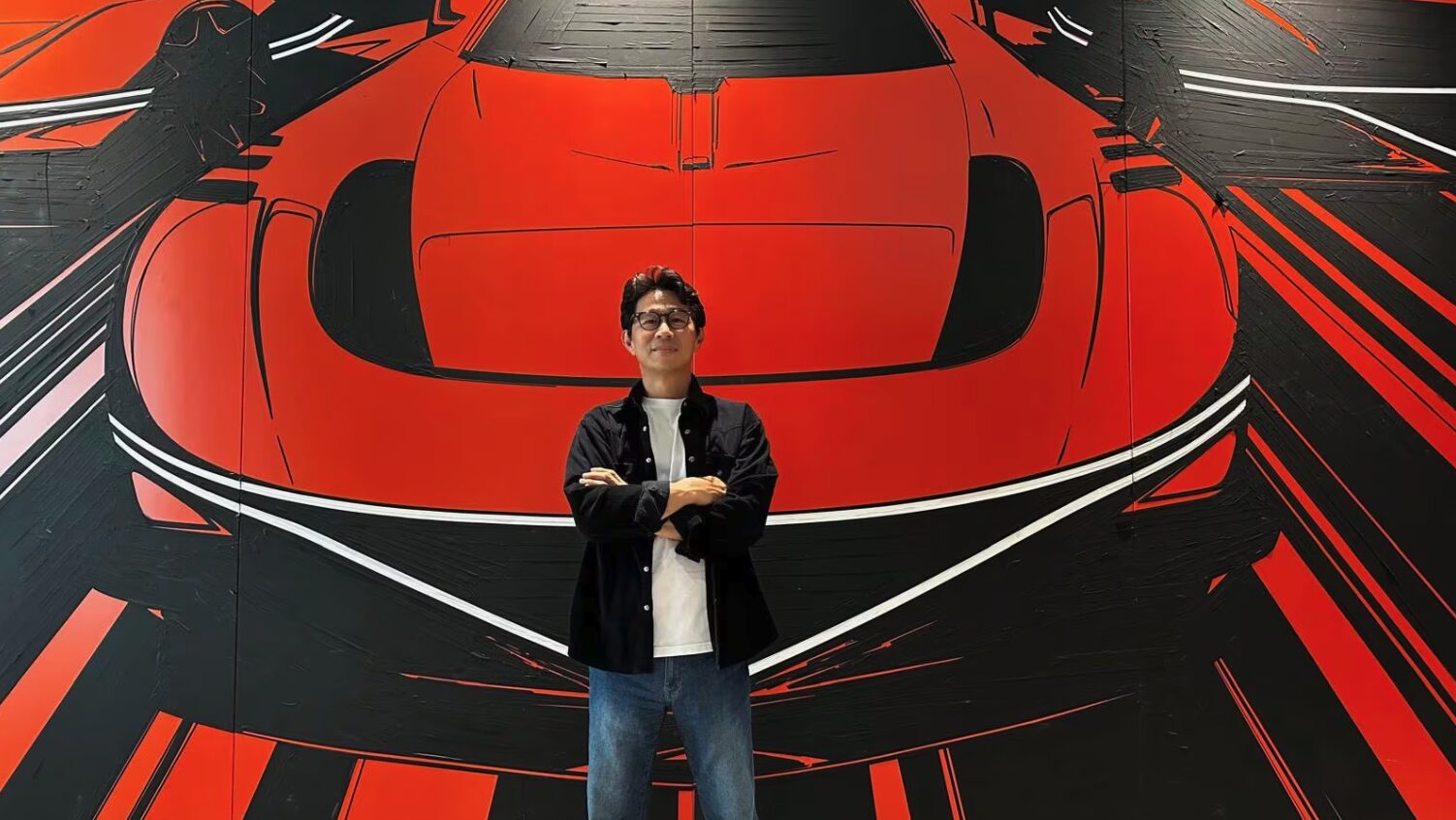
Mike Song, the Global Head of Genesis, is stepping down from the role. Our industry sources reveal that this is not a voluntary retirement but rather a strategic leadership change driven by performance factors. Sihyeok “Sean” Lee, currently serving as Genesis Motor America Vice President, will succeed Song.
Executive Shake-up Confirmed
Genesis is Hyundai Motor Group’s luxury brand, envisioned as a global competitor to premium marques like BMW, Mercedes-Benz, and Lexus. Since its launch in 2015, leadership has focused on brand image, design identity, and a pivot toward electrification.
A change in global leadership — especially to someone rooted in the U.S. market, Genesis’s largest and most strategically critical region — signals an inflection point in strategy.
Genesis’s Performance — Strengths and Pressures
Growth and Brand Recognition
Genesis has experienced rising global visibility, especially in the U.S., where expansions of standalone retail facilities underscore investment in premium retail presence.
In markets like Korea, Genesis also commands strong sales growth, challenging established luxury incumbents.
Where External Pressures Come In
However, as a relatively young luxury marque, Genesis’s volume and profitability targets are more volatile than those of longer-established competitors. Premium buyers often evaluate brand cachet, residual values, and product pedigree — metrics that can lag behind pure sales growth.
This environment puts heightened scrutiny on leadership to deliver measurable brand equity and financial performance.
Strategic Shifts: Electrification → Hybrid Recalibration
Genesis initially positioned itself on an all-electric trajectory, mirroring Hyundai Motor Group’s broad electrification goals.
Recently, the brand has confirmed plans to introduce hybrid and extended-range models beginning as early as 2026, representing a strategic adjustment from an EV-only roadmap toward a mixed powertrain lineup. Analysts see this as a pragmatic response to global market realities — balancing EV ambition with hybrid demand in key regions.
A leadership transition at this moment could reflect internal debates over sequencing, product mix, and commercial execution of electrification strategies and future road map.
Hyundai Motor Group Leadership Trends and R&D Challenges
The Genesis leadership shift dovetails with broader Hyundai Motor Group (HMG) organizational turbulence, particularly in R&D and platform leadership.
Recent exits among senior R&D and advanced vehicle platform leaders — such as the AVP (Advanced Vehicle Platform) head and other engineering executives — have been reported, marking a period of significant personnel turnover in areas key to software, hardware integration, and next-generation vehicle architecture. (industry reporting)
This pattern suggests rising pressure on product quality, delivery timelines, and software-defined vehicle development within HMG.
Notably, R&D leadership figures within HMG have recently seen changes, and this is widely interpreted as part of a heightened focus on reliability, performance, and meeting aspirational electrification goals amidst real-world market and production challenges.
Additionally, Hyundai’s top leadership has been evolving, including the appointment of José Muñoz as global CEO and head of Hyundai Motor Company, adding to the context of executive realignment.
What Sihyeok “Sean” Lee’s Appointment Signals
While details of Lee’s ascent to Global Head of Genesis remain proprietary to Genesis, his U.S. leadership experience suggests a strategic emphasis on:
- Expanding U.S. market share
- Refining product positioning against German luxury rivals
- Aligning Genesis’s retail and brand experience with premium global expectations
- Balancing EV, hybrid, and possibly extended-range offerings ahead of the 2026 product cycle
This transition may underscore HMG’s willingness to entrust core brand strategy to executives with region-specific expertise, especially in the largest premium market worldwide.
Image source: Autonews