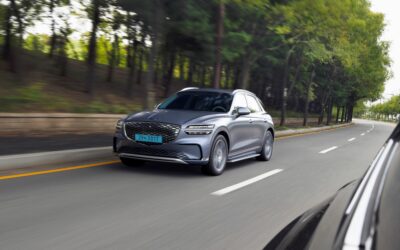
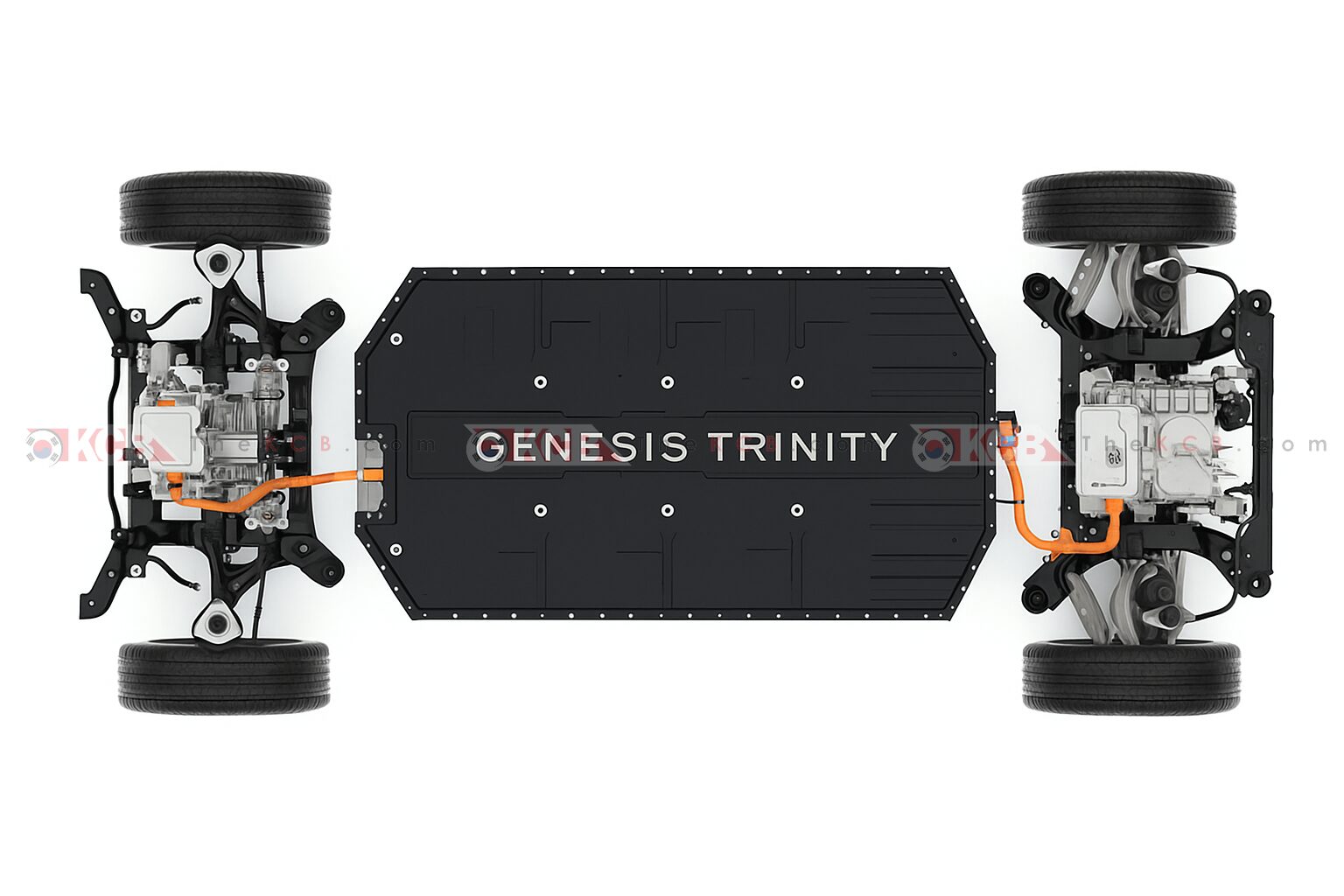
Genesis is making a high-stakes play to redefine its identity. In a strategic pivot designed to distance itself from its stablemates, the brand has confirmed, according to AutoCar report, the development of a completely bespoke architecture set to debut in 2027. This move marks a departure from the shared Hyundai Motor Group foundations—specifically the E-GMP electric skateboard and the M3 architecture—that currently underpin the Genesis lineup. The goal? To transform Genesis from a luxury division into a stand-alone powerhouse with a unique “driving soul.”
Engineering a Distinct “Premium” Feel
According to Peter Kronschnabl, Genesis’s European boss, the decision to build a dedicated platform was driven by the need for specific brand attributes that current shared group architectures cannot fully provide.
”Genesis needs its own platform for the future models to fulfill the requirements of the brand’s driving dynamics,” Kronschnabl stated.
The new engineering focus will target the specific traits that define European and global premium rivals:
- Direct Steering: A more communicative and responsive steering feel.
- Chassis Rigidity: A setup that Kronschnabl describes as “not too soft,” aiming for a balance of comfort and athletic composure.
- Optimized Packaging: Bespoke interior layouts that aren’t constrained by the dimensions of mass-market Hyundai or Kia models.
Hybrid Flexibility: Adapting to Market Realities
In a significant strategic reversal, Genesis is stepping back from its previous “all-electric” pledge. The new platform will be powertrain-agnostic, meaning it can accommodate both battery-electric (BEV) and hybrid systems.
This flexibility is a direct response to the cooling demand for premium EVs in global markets. By offering hybrid derivatives starting next year, Genesis ensures it remains competitive while the infrastructure for electrification matures. While some components may still be “leveraged” from the Hyundai Motor Group to maintain efficiency, the core structure will remain unique to the Genesis badge.
The Business Case: Why Now?
Developing a proprietary platform is an expensive endeavor, especially for a brand that sold just 2,455 units in Europe last year. However, Hyundai’s European CEO, Xavier Martinet, insists the investment is “extremely reasonable” when viewed through a global lens.
Martinet points to vertical integration and economies of scale within the larger Hyundai-Kia ecosystem as the “secret sauce” that allows Genesis to make such bold moves. Higher price points for luxury vehicles further help recoup the R&D costs that would otherwise cripple a low-volume manufacturer.
Future Lineup: Quality Over Quantity
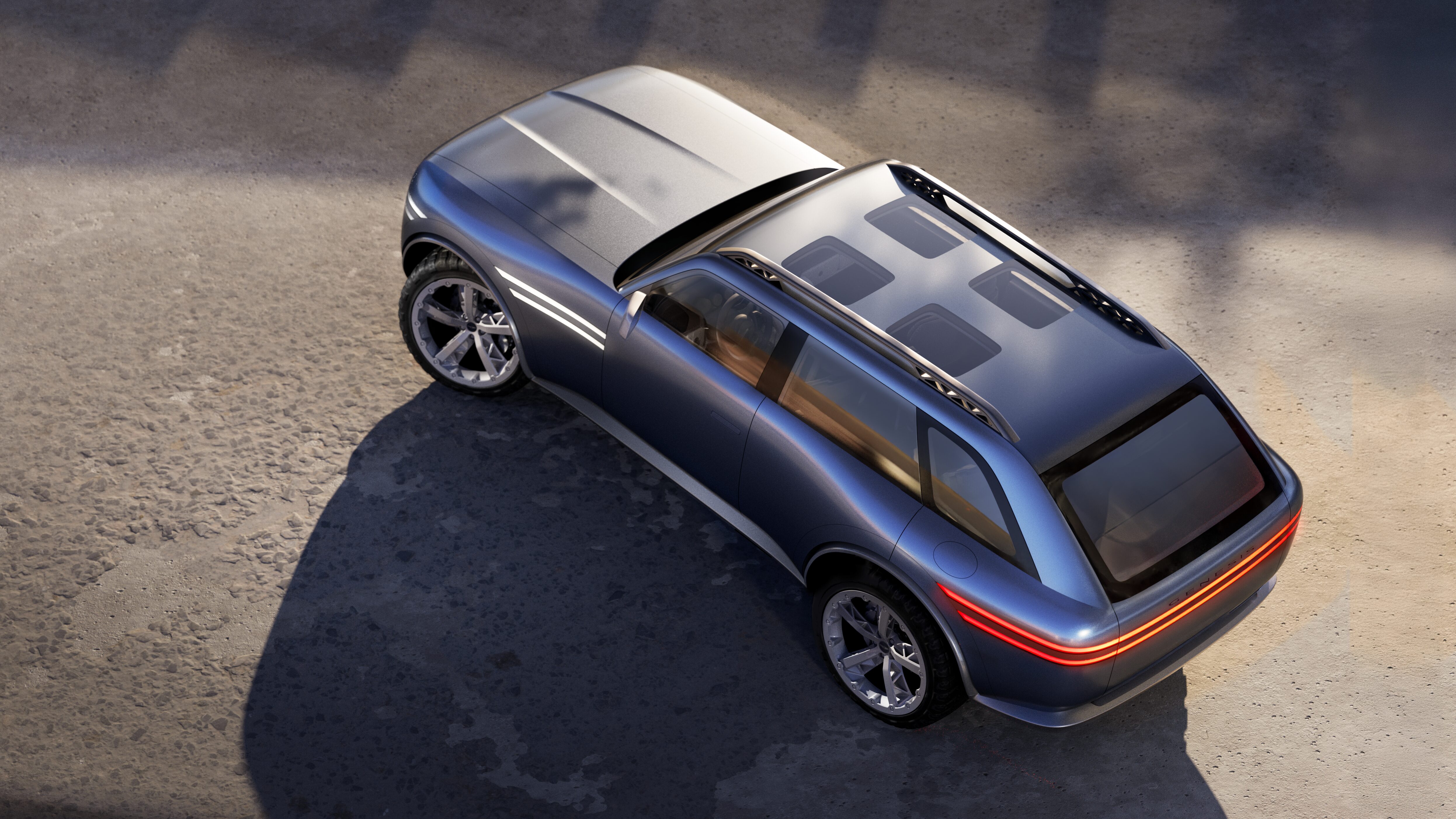
While the first model to utilize the 2027 platform remains a mystery, eyes are on recent concepts like the Neolun luxury SUV (to be the GV90) or a production version of the Gran Equator X 4×4.
Despite the new hardware, Genesis does not intend to flood the market. Kronschnabl emphasized that the brand will avoid the “niche trap” that has plagued rivals. Instead of producing niche coupes or convertibles that lead to customer confusion, Genesis will stick to a disciplined strategy centered around core segments like the GV60, GV70, and G80.