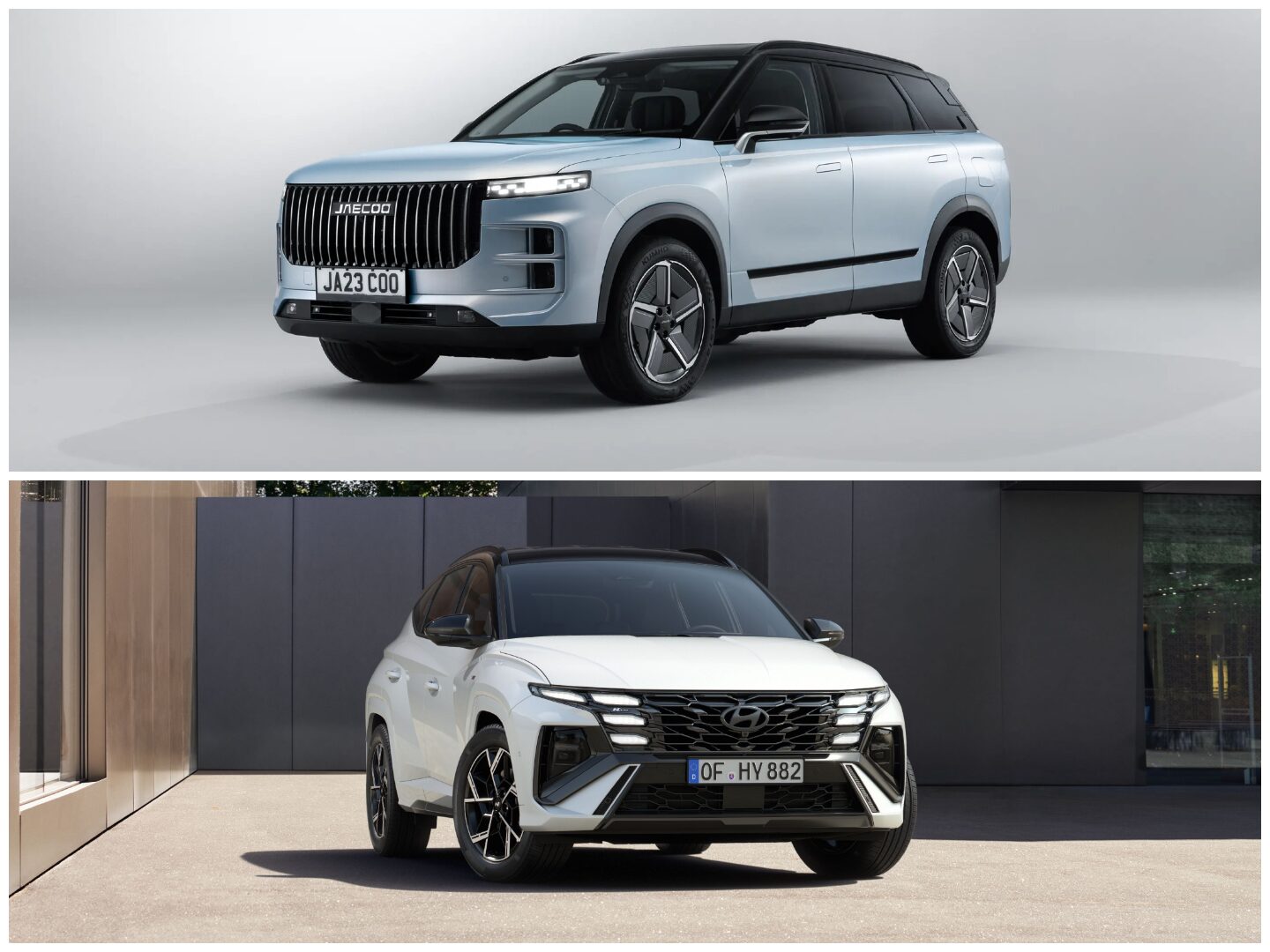
The February 2026 sales figures for Hyundai and Kia highlight a pivotal shift in the European automotive landscape. While the group remains a top-tier player, a 3.6% year-over-year sales decline (70,661 units) underscores the intensifying “price war” triggered by the rapid expansion of Chinese manufacturers.
The “Chinese Influx”: A Strategic Challenge
Hyundai Motor Group explicitly identified the influx of low-priced models from China as a primary factor for its slight cooling in the region. This trend is part of a broader market evolution where Chinese brands are leveraging significant competitive advantages:
- Aggressive Pricing: Brands like BYD, MG (SAIC), and Leapmotor are undercutting traditional players. In some markets, Chinese electric city cars are now entering at price points previously unheard of for the segment.
- Market Share Shift: By early 2026, Chinese brands have captured nearly 10% of the total European car market and an even more commanding 16% of the electrified (EV and Hybrid) segment.
- Surpassing Established Rivals: On a quarterly basis, Chinese manufacturers have recently begun to outsell South Korean rivals like Kia for the first time, signaling a potential long-term realignment of market dominance.
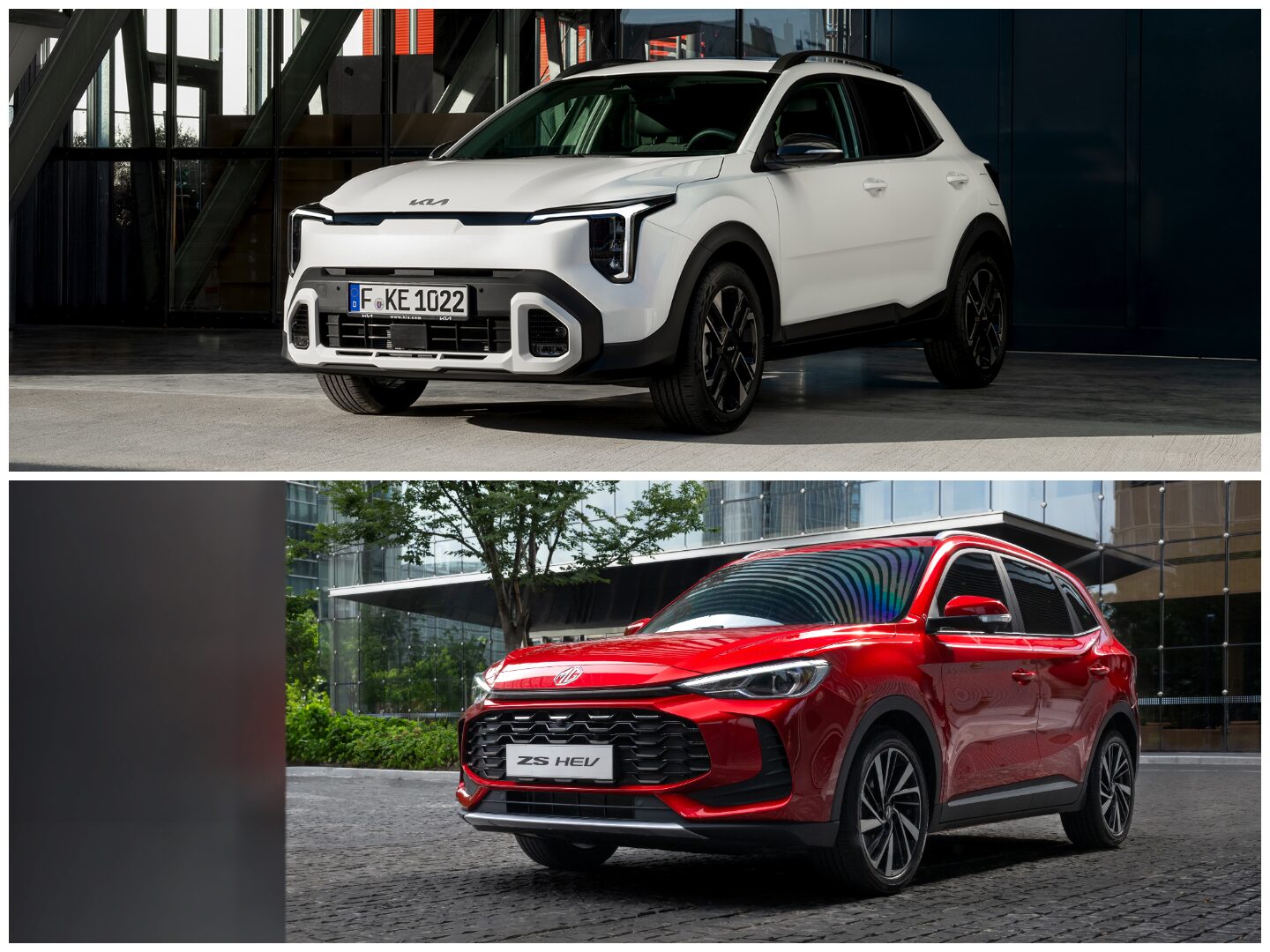
Impact on Hyundai and Kia
The competition is most visible in the Electric Vehicle (EV) and Plug-in Hybrid (PHEV) sectors—areas where Hyundai and Kia have historically held a strong “early mover” advantage.
- Hyundai’s Response: Despite a 9.7% dip in overall sales, Hyundai is fighting back with its “green car” lineup. The Tucson (5,484 units) and Kona (5,137 units) remain strong in the eco-friendly space, while the new Inster (2,382 units) represents a strategic move into the affordable EV category to counter budget-friendly Chinese rivals.
- Kia’s Resilience: Kia managed to buck the trend with a 2.7% increase (37,058 units), though it continues to face pressure as Chinese exports to Europe more than doubled in the first two months of 2026.
Market Outlook for 2026
The European market is currently a “stress test” for legacy and established Asian automakers. While Hyundai and Kia maintain a respectable 7.2% combined market share, the path forward involves navigating:
- Supply Chain Efficiency: Matching the cost-effective battery technology and manufacturing scale of Chinese OEMs.
- Product Diversification: Hyundai is already addressing this by filling the “entry-level EV” gap with models like the Inster.
- Tariff Dynamics: Ongoing EU negotiations regarding import duties on Chinese-made EVs may provide some breathing room, but Chinese brands are already countering this by expanding local production in Europe.