

Hyundai and Kia hybrid vehicles have become a major growth engine, pushing global hybrid sales past 1 million units for the first time and reshaping the company’s future mobility strategy. As electric vehicle (EV) demand temporarily slows worldwide, hybrids are emerging as the most practical eco-friendly alternative for consumers—delivering both profitability and technological momentum for automakers.
Hyundai and Kia Reach Historic Hybrid Sales Milestone
Hyundai Motor Company and Kia recorded an estimated 1.11 million hybrid vehicle sales globally last year, based on January–November figures. This accounts for 15.2% of the group’s total global sales, marking a historic milestone and confirming hybrids as a mainstream powertrain rather than a transitional option.
The achievement is especially notable considering the skepticism that surrounded Hyundai’s early hybrid efforts. When the Avante Hybrid (LPG-based) debuted in 2009 and the Sonata Hybrid (gasoline-based) followed in 2011, critics dismissed them as imitations of Toyota’s technology or inferior to diesel vehicles in fuel efficiency. Today, hybrids are the number one contributor to Hyundai Motor Group’s upward sales trend.
Hybrid Growth Offsets EV Slowdown and Market Headwinds
Despite facing multiple challenges—including U.S. tariff barriers, weak domestic demand, and the global EV demand slowdown (often referred to as the “EV chasm”)—Hyundai Motor Group achieved 7.27 million global vehicle sales, up 0.6% year over year.
The key driver was a 23% surge in hybrid sales, which more than compensated for declining EV demand, particularly in the U.S. market. Many consumers are turning to hybrids as an eco-friendly solution that avoids common EV concerns such as charging infrastructure limitations, range anxiety, and long charging times.
Industry analysts note that hybrid profitability is helping Hyundai close the technology gap with competitors like Tesla and fast-moving Chinese EV manufacturers, especially in areas such as autonomous driving and artificial intelligence.
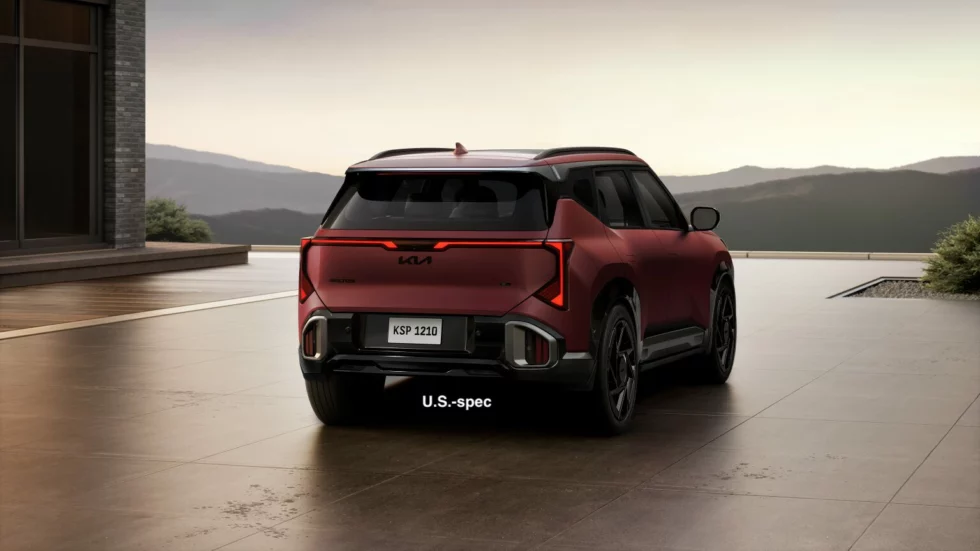

Kia will help this number grow by introducing its first-ever Seltos Hybrid and Telluride Hybrid.
U.S. Market Leads the Hybrid Boom
The United States has become the most visible example of Hyundai and Kia’s hybrid success. In 2024, the two brands sold a combined 1,836,172 vehicles in the U.S., marking their third consecutive year of record sales.
- Hybrid sales: 331,023 units
- Year-over-year growth: +48.8%
- EV sales decline: –16.3%
Hybrid demand more than offset the downturn in EV sales, reinforcing the technology’s growing appeal.
Even in South Korea, hybrids dominate popular models:
- Santa Fe: 74% hybrid sales mix
- Palisade: 63% hybrid
- Carnival: 59% hybrid
Next-Generation Hybrid Technology Enables Larger, Premium Models
Hyundai Motor Group’s hybrid strategy took a major leap forward in 2024 with the introduction of its next-generation hybrid system. Previously limited to mid-size vehicles due to output constraints, the new system supports larger and luxury models.
Key advancements include:
- 2.5L gasoline turbo hybrid engine
- Over 300 horsepower
- Fuel efficiency exceeding 14 km per liter
This breakthrough enabled the launch of the Palisade Hybrid in the U.S. in October last year. Looking ahead:
- Kia Telluride Hybrid will debut in the U.S. this year
- Genesis GV80 Hybrid, the luxury brand’s first hybrid, is scheduled for release in the second half of the year
Hyundai Joins a Global Shift Toward Hybrids
Hyundai Motor Group is not alone in doubling down on hybrids. Toyota, the world’s largest automaker, is expected to surpass 10 million global vehicle sales in 2025, with hybrids accounting for nearly 40% of total sales.
Toyota’s luxury brand Lexus also set an all-time U.S. sales record last year with 370,000 units sold, driven primarily by:
- NX Hybrid
- TX Hybrid
Across the industry, hybrids are increasingly viewed as a strategic stepping stone toward full electrification:
- Ford is preparing a hybrid pickup to replace the electric F-150 Lightning
- General Motors (GM) is developing plug-in hybrid models
- Renault is expanding European sales with its E-Tech hybrid SUVs
Hybrids Emerge as the Smart Transition Technology
As global automakers recalibrate their electrification strategies, hybrids are gaining renewed importance. They offer lower emissions, strong fuel efficiency, and fewer infrastructure barriers, making them an attractive choice for both consumers and manufacturers.
For Hyundai Motor Group, hybrids are no longer just an alternative—they are a core profit engine and a strategic bridge to future vehicle technologies. With expanding hybrid lineups across Hyundai, Kia, and Genesis, the group is positioning itself to remain competitive in an evolving global automotive landscape.