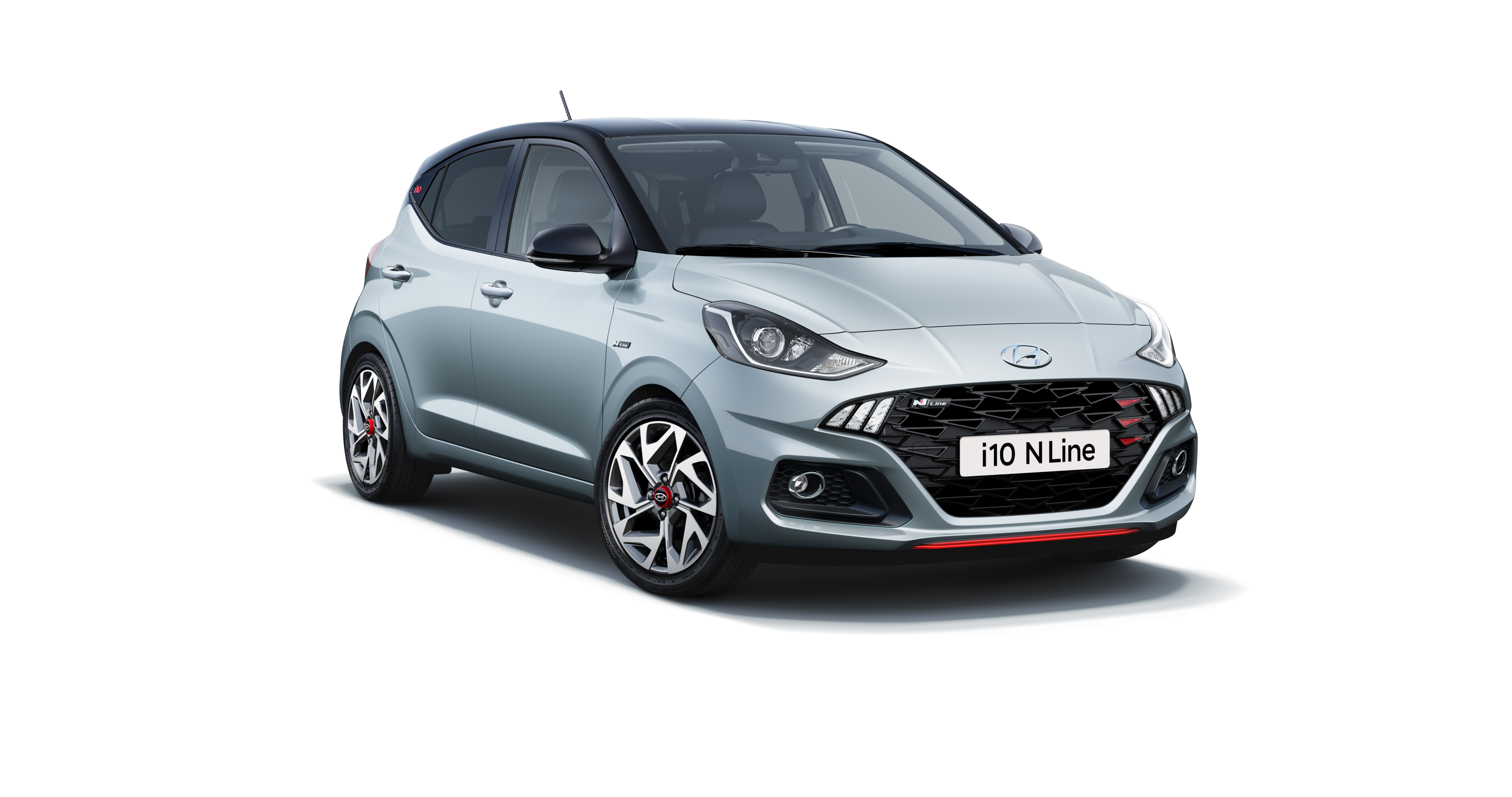
Hyundai has officially ended production of its popular i10 supermini for the European market, according to AutoExpress, marking the latest casualty in the gradual decline of small, petrol-powered city cars. The decision frees up capacity at Hyundai’s Turkish manufacturing plant, which is expected to be repurposed for the production of a future electric vehicle as the brand accelerates its transition toward electrification.
Hyundai i10 Sales Success Comes to an End
First introduced to the UK market in 2008, the Hyundai i10 has been a significant success for the Korean manufacturer. Over the past 17 years, more than 370,000 units have been sold in the UK alone, making it one of Hyundai’s most important entry-level models.
Despite its strong sales history, Hyundai has confirmed that there are no immediate plans for a direct petrol-powered replacement. Instead, buyers seeking a small Hyundai are being directed toward the all-electric Hyundai Inster, which now acts as the brand’s new entry point.
Rising Costs Push Buyers Toward EVs
At a starting price of £18,350/16,990 euros, the Hyundai i10 is no longer the budget-friendly option it once was. However, it has continued to appeal to UK buyers thanks to its low running costs, comprehensive warranty, and compact urban-friendly design.
The issue for manufacturers is that small ICE vehicles are becoming increasingly expensive to keep compliant with tightening emissions and safety regulations across the EU and UK. These rising costs have eroded profit margins, making city cars like the i10 less viable.
The Hyundai Inster, while technologically advanced, comes with a price premium of nearly £5,500 more, highlighting the affordability gap created by the industry’s rapid pivot to electrification.
Shrinking Choice in the Petrol City Car Segment
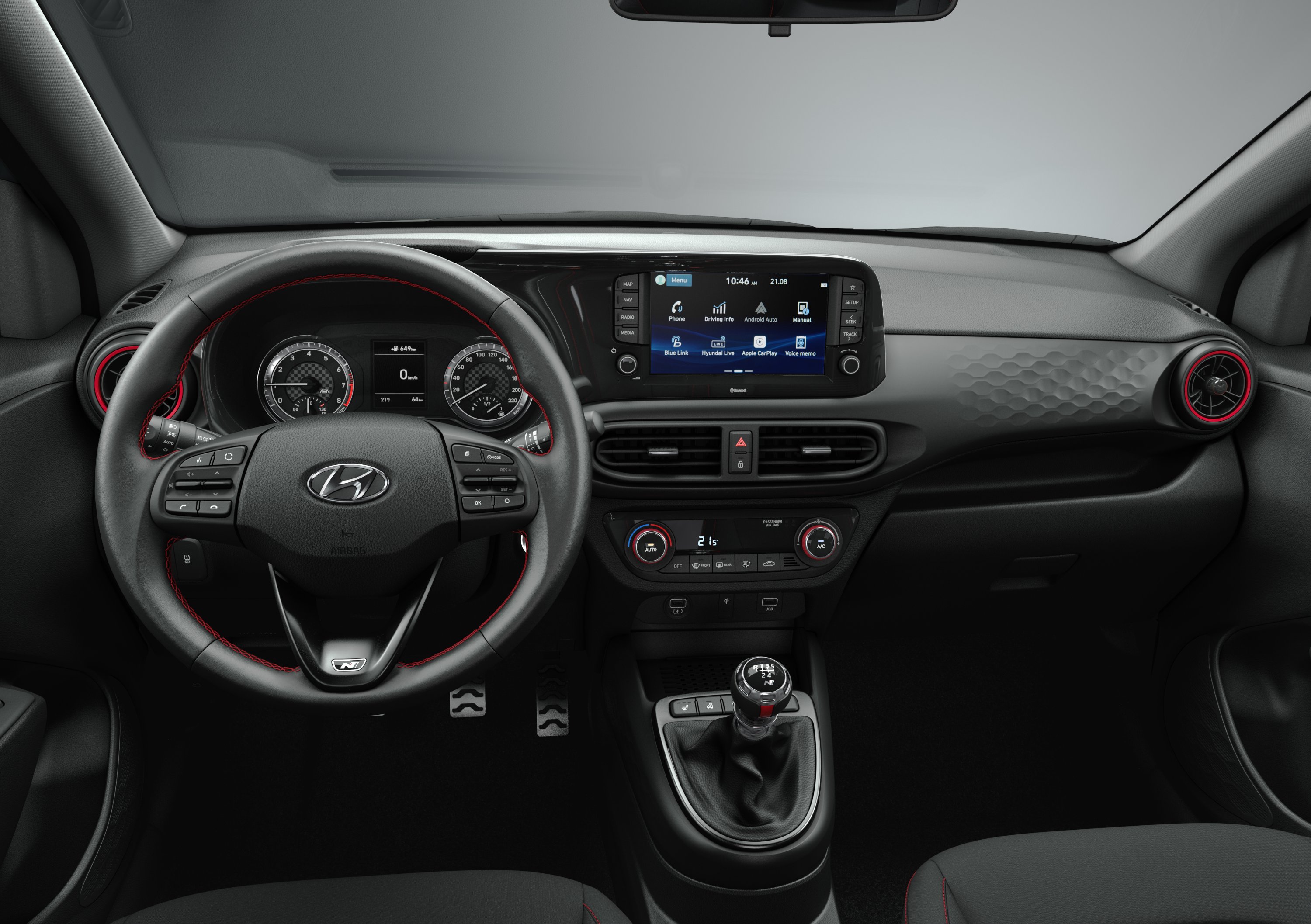
The discontinuation of the i10 further reduces choice in the petrol-powered city car segment. In the UK, Kia’s closely related Picanto now stands as one of the last remaining ICE-only A-segment options.
Elsewhere in Europe, models such as the Fiat 500 and Toyota Aygo X are still available, but both have transitioned to hybrid powertrains, pushing prices significantly higher and moving them away from the traditional budget city car territory.
ICE City Cars Still Thrive Outside Europe
While small petrol cars are struggling in Europe, they continue to perform strongly in overseas markets with less restrictive regulations. This suggests a future replacement for the i10 is likely to emerge globally over the next few years.
However, approval for sale in the EU and UK appears increasingly unlikely, as regulatory pressures continue to drive up development costs for small internal combustion engine vehicles.
The Electric Future of the A-Segment
The long-term outlook for the city car segment in Europe is now firmly electric. Although batteries remain expensive, EV platforms are often easier to engineer to meet modern safety standards, and are mechanically simpler than combustion-engine alternatives.
Hyundai has not yet confirmed a direct successor to the ICE-powered i10, but an A-segment electric model is expected to be part of its future product strategy. This becomes increasingly likely as rival manufacturers prepare new electric city cars, including the next-generation Renault Twingo and the anticipated Volkswagen ID. Lupo.
Conclusion
The end of the Hyundai i10 in Europe underlines the growing pressure on affordable petrol-powered cars. While the model leaves behind a strong legacy of accessibility and value, its departure signals a broader shift in the market—one where electric vehicles are set to dominate even the smallest segments.