Hyundai is officially declaring war on the “photocopier machine” approach to car design. According to Europe CEO Xavier Martinet, interviewed by AutoCar, the days of scaling the same aesthetic across an entire lineup are over. Leading this charge is the Concept Three—a bold preview of the forthcoming IONIQ 3 hatchback—which serves as a “statement of intent” to prioritize striking, unique designs that cater to the evolving demands of modern drivers.
Standing Out in a Sea of SUVs
When the Concept Three debuted in Munich, it turned heads for one specific reason: it wasn’t just another crossover. Martinet noted that the public’s reaction was a resounding “finally—something different.”
By moving away from the industry-standard SUV silhouette for the IONIQ 3, Hyundai is doubling down on its goal to “create something that nobody has on the market.”
The “Chess Piece” Strategy: Distinct but Connected
Hyundai is refining its design philosophy under the guidance of SangYup Lee. Known as the ‘Chess Piece’ strategy, the goal is to ensure every model has its own distinct character—much like a Knight looks different from a Bishop—while still belonging to the same set.
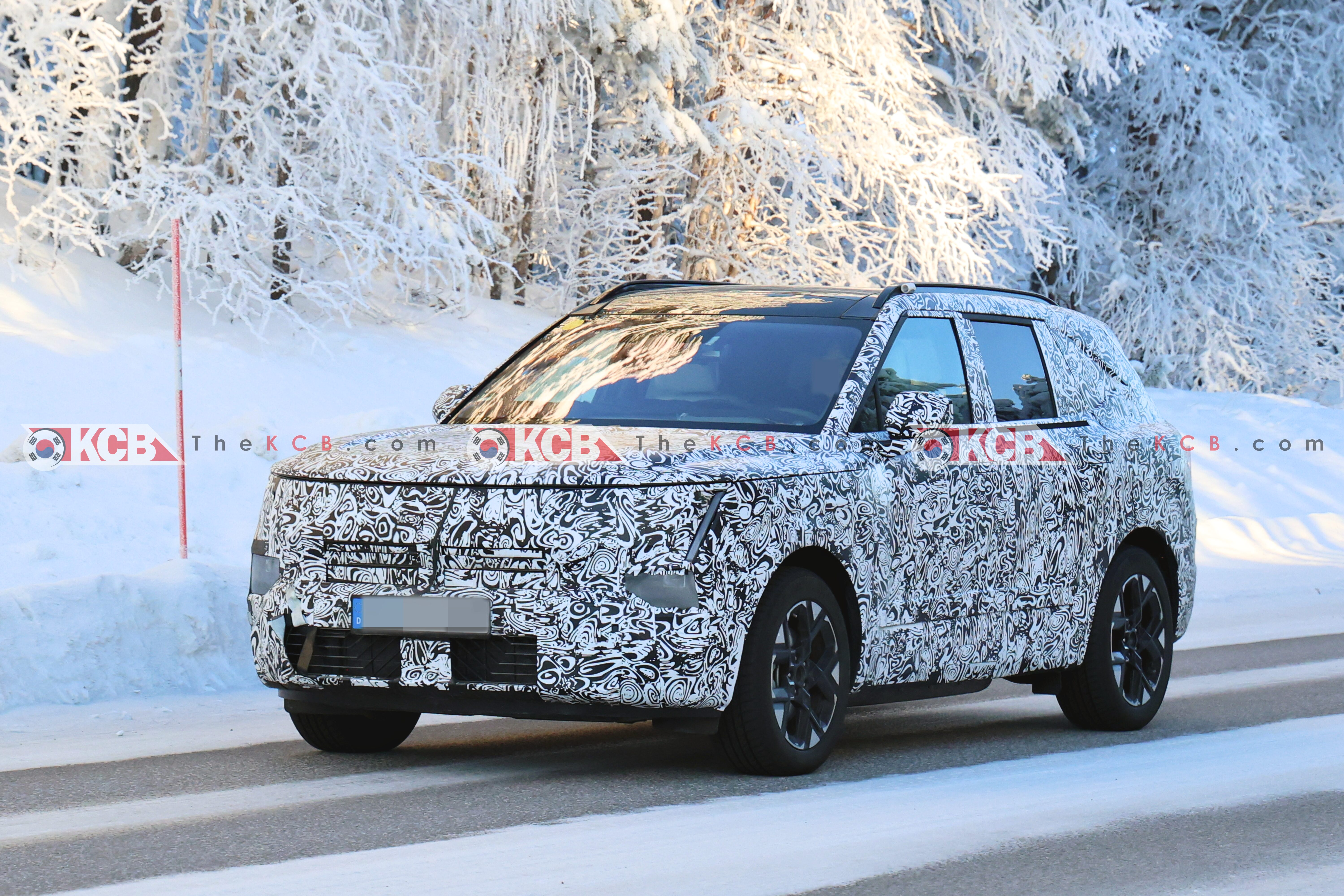
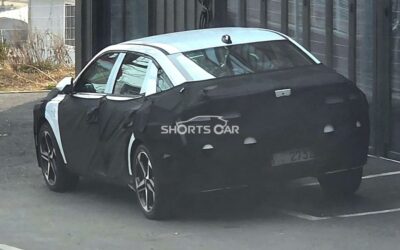
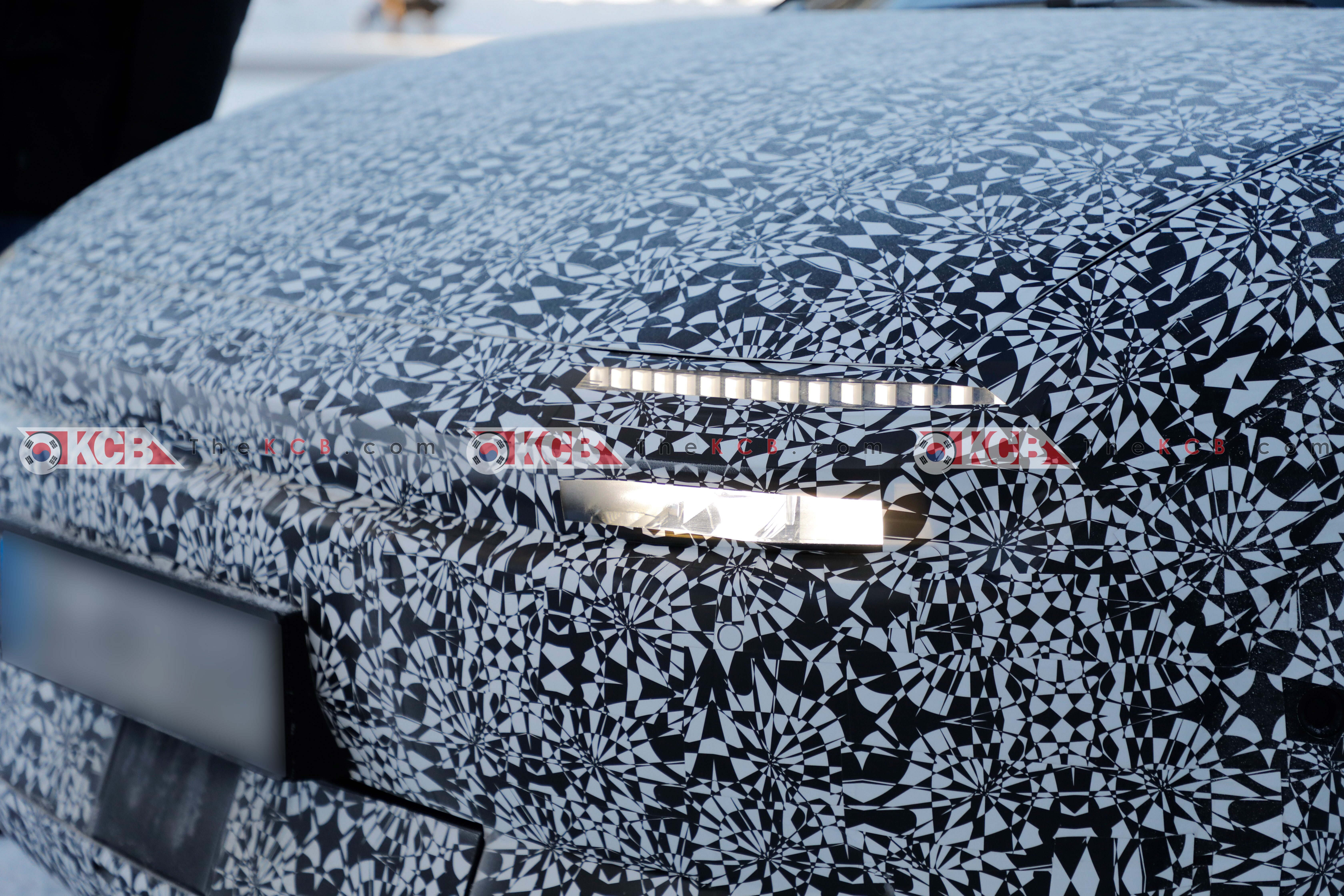
Next-gen Hyundai Tucson Spied in the Arctic Circle
To achieve this, Hyundai is introducing a more obvious “family sense” across future models, moving beyond just the signature Pixel Light cues:
- Crossovers & SUVs: Expect a “chunkier,” rugged 4×4 treatment for models like the Bayon and Tucson, drawing inspiration from the new Santa Fe and hydrogen-powered Nexo.
- Lower-Slung Models: Models like the IONIQ 3 will adopt sleeker, rakish silhouettes that prioritize aerodynamics and a sporty “low-to-the-ground” feel.
The Science of Choice: Rational vs. Emotional
Martinet highlights that while design and price are always the top two criteria for buyers, their importance shifts based on the car’s size and segment:
- The Emotional (Design): In larger, premium segments, design is king. “The bigger the car, the more important design is,” says Martinet, because these customers have the luxury of choice and want to make a statement.
- The Rational (Price): In the A- and B-segments (like the i20 or Inster), budget is fundamental. Price and powertrain represent the rational side of the purchase.
“Customers are always human beings. You have a rational part—that’s the price—and you have the emotional: design. Managing to keep both at the same time is the key to success.” — Xavier Martinet