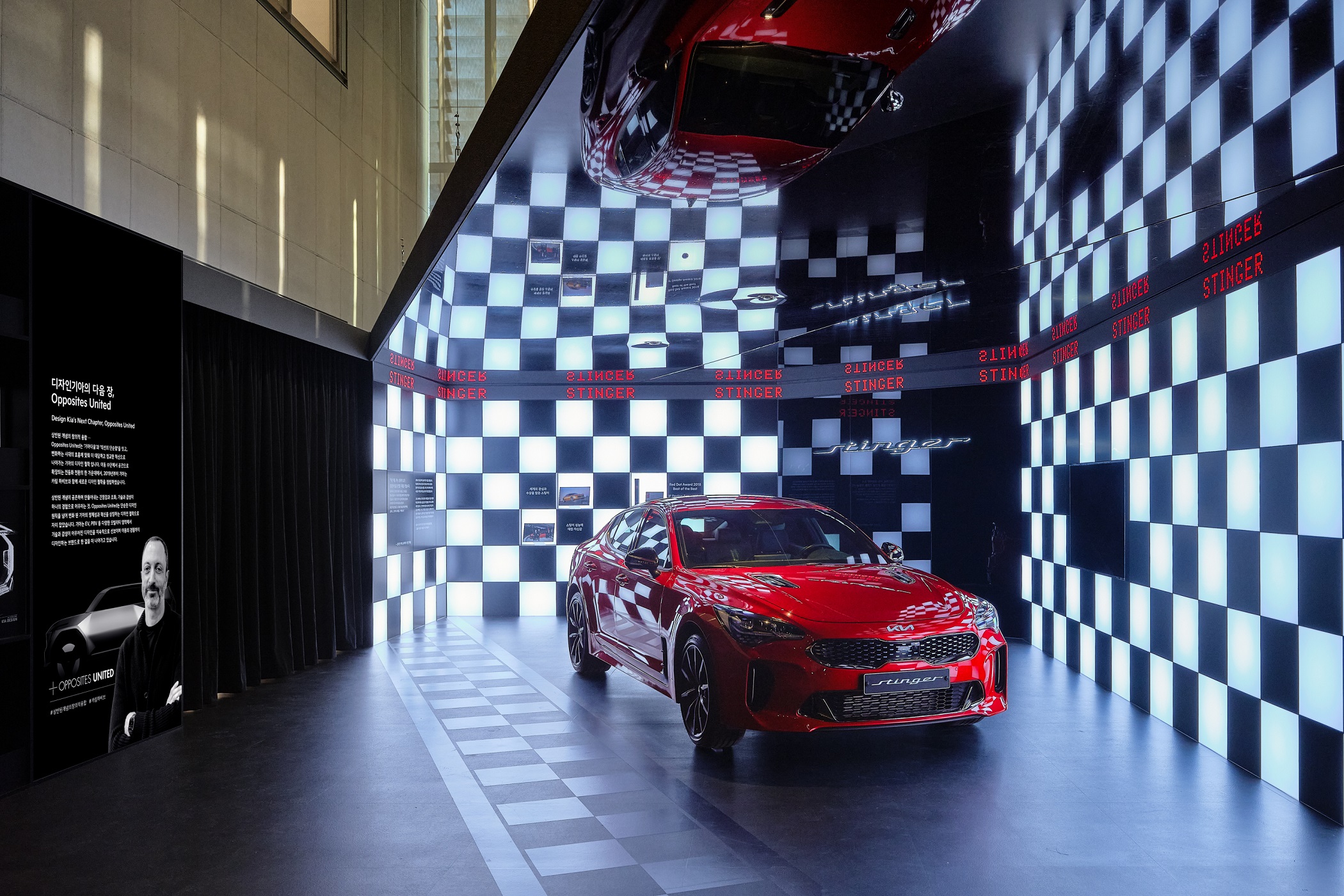
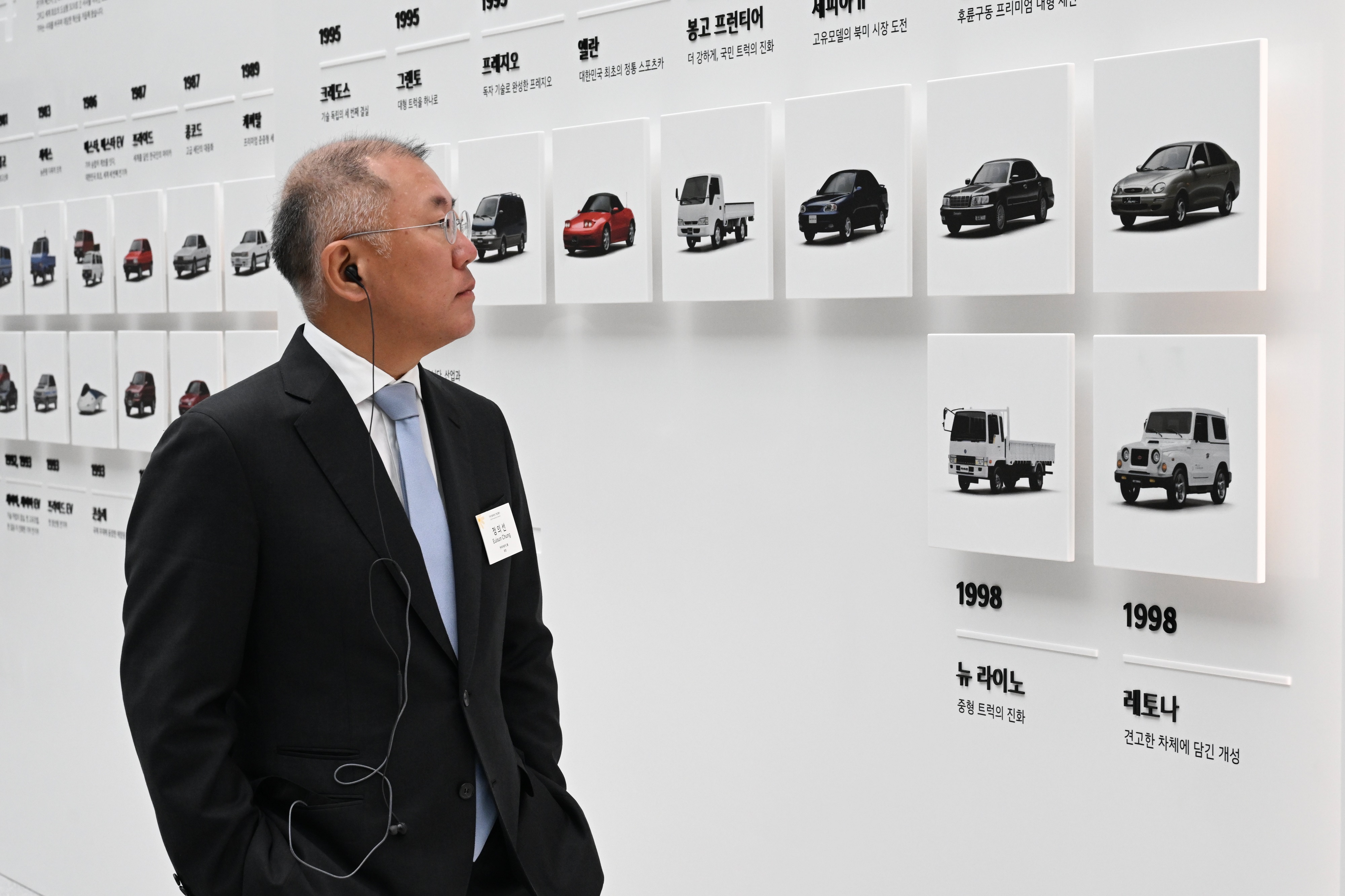
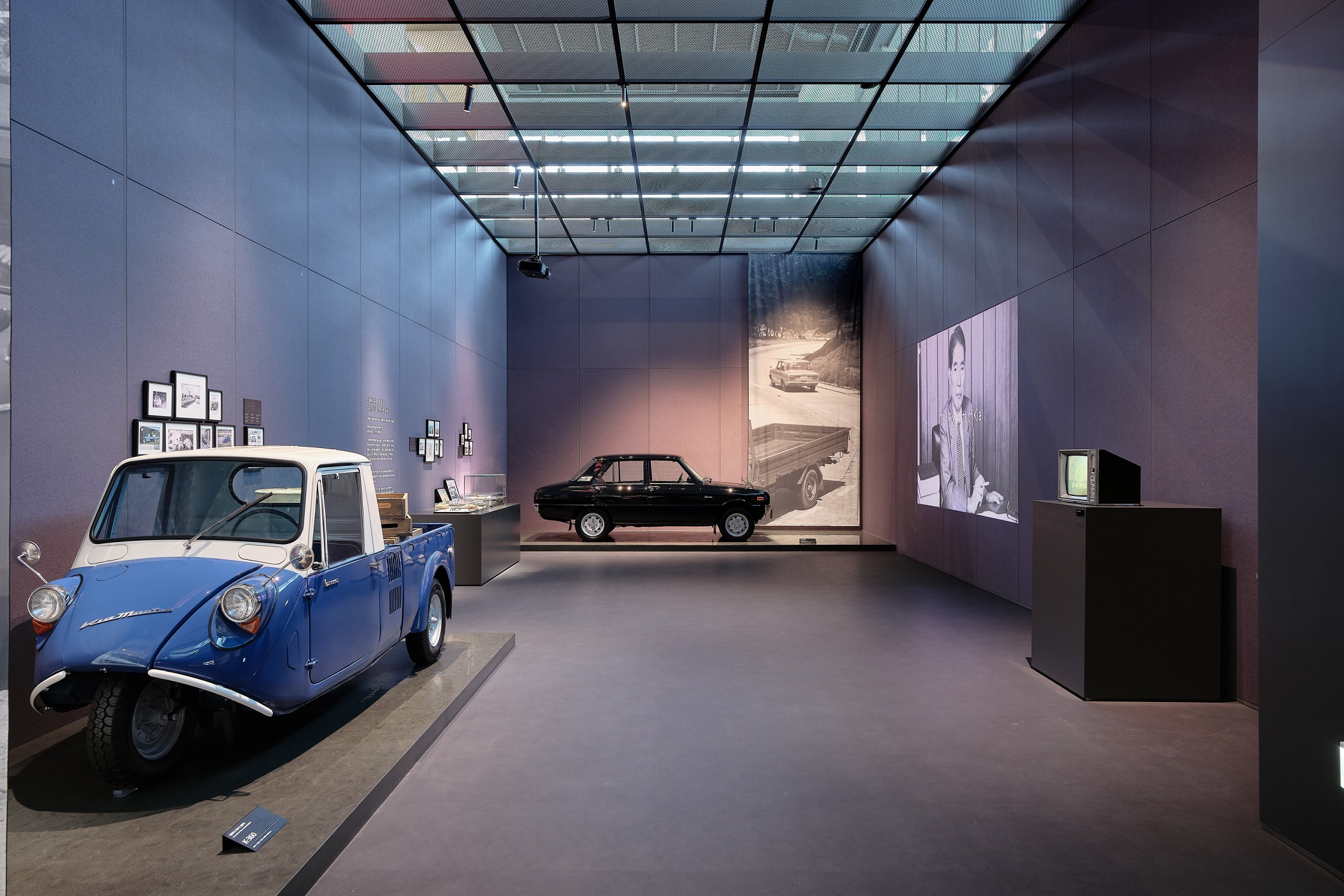
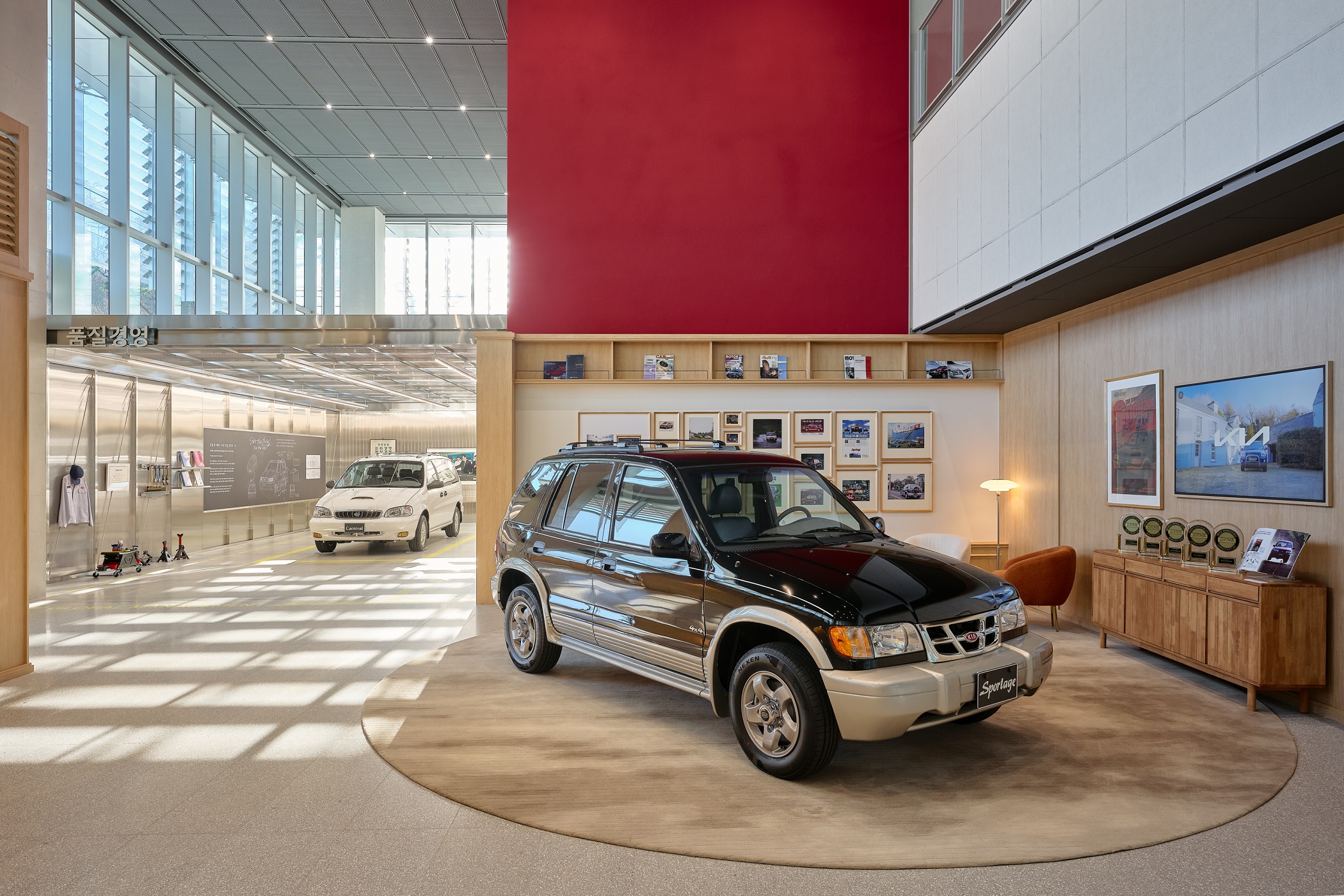
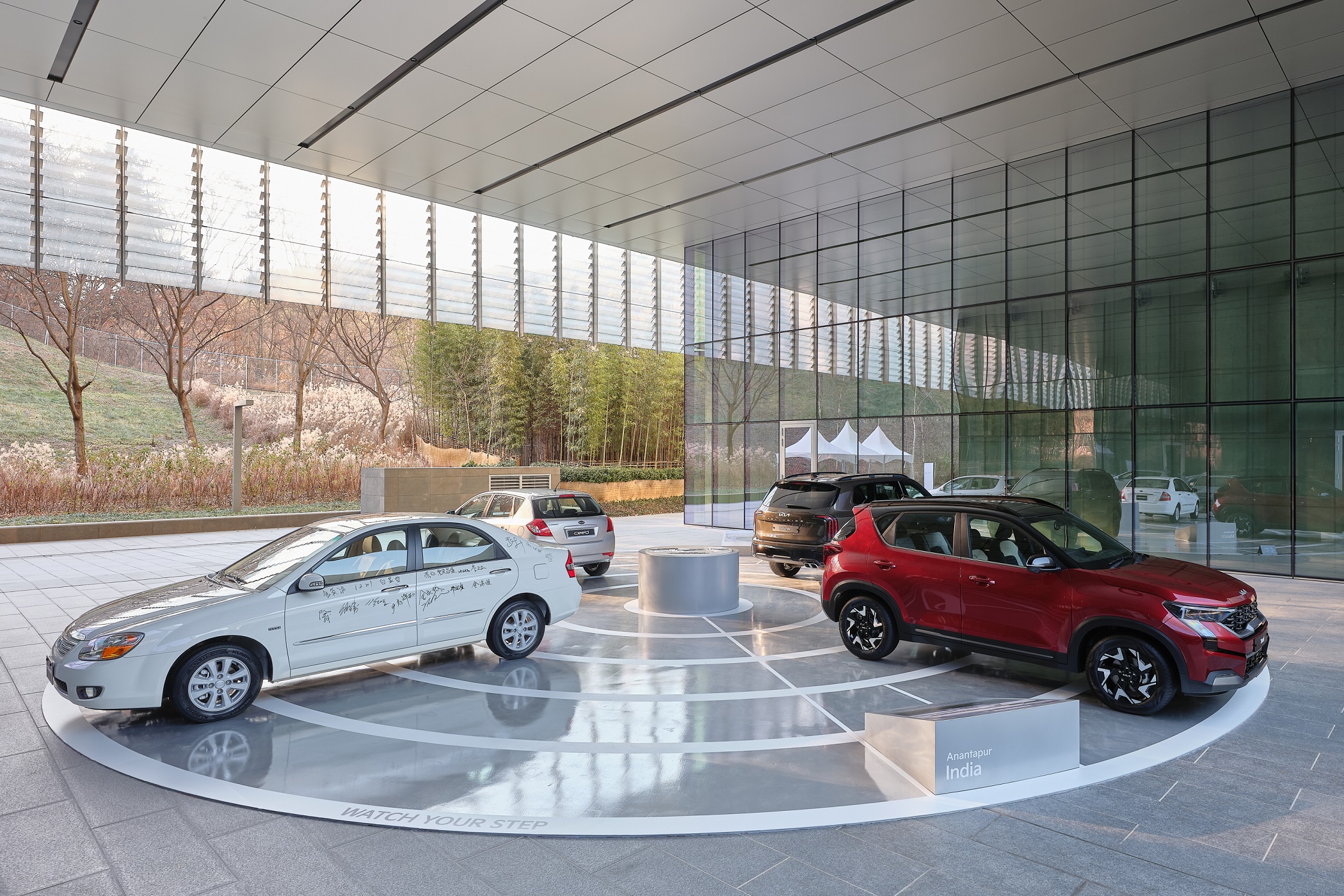
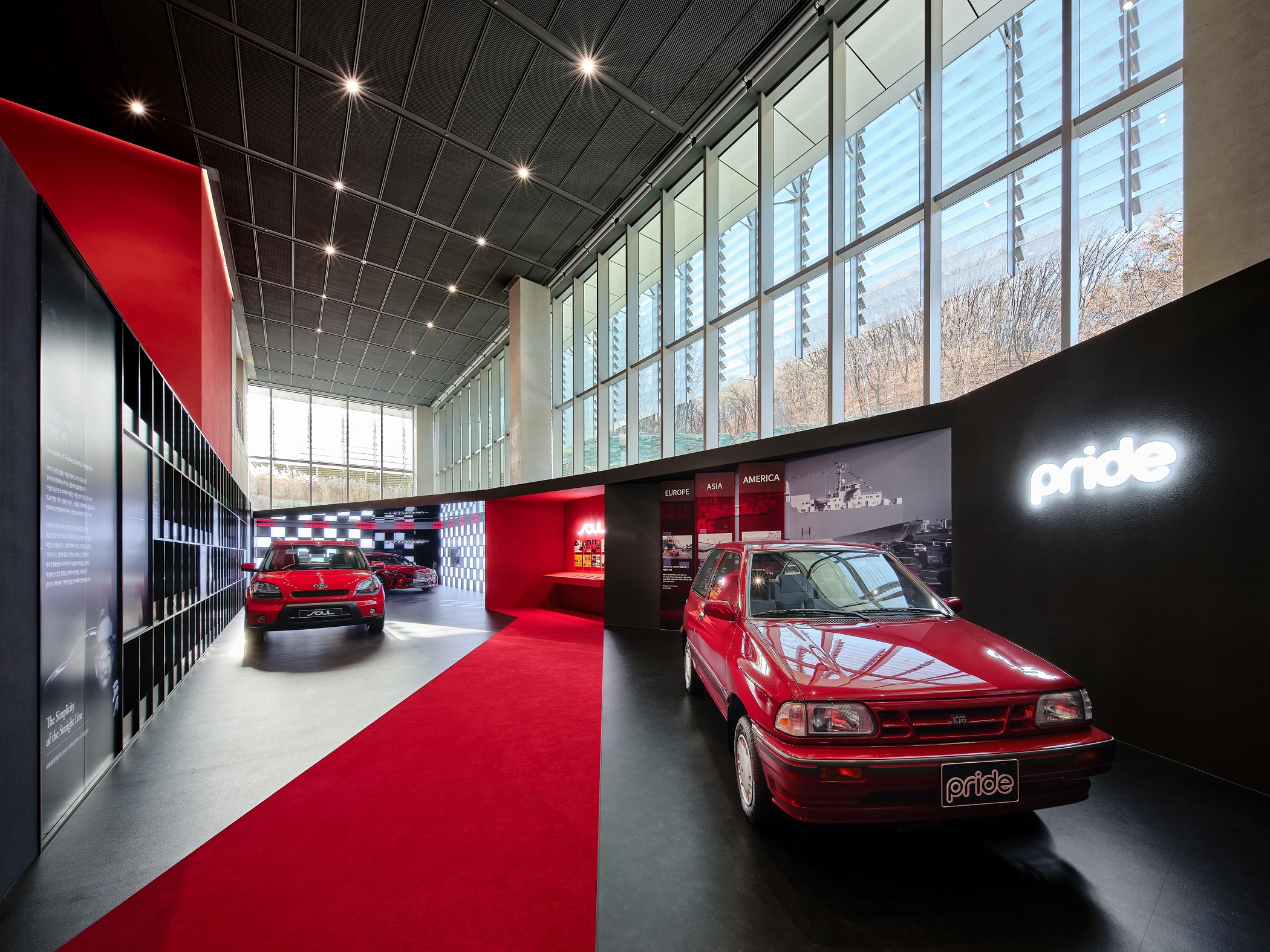
Kia marked its 80th anniversary with a commemorative event in Yongin, Gyeonggi Province, reflecting on its extraordinary transformation from a bicycle-parts workshop to one of the world’s top three automakers. The milestone celebration highlighted the leadership, design evolution and strategic decisions that reshaped Kia into a global mobility powerhouse alongside Hyundai Motor Co.
A Journey From 1944 to Global Leadership
Founded in 1944 by Kim Cheol-ho, Kia began as a small machine manufacturer. Over eight decades, the company survived two bankruptcies and the 1997 Asian financial crisis before being acquired by Hyundai in 1998. This acquisition marked a major turning point, restoring stability and laying the foundation for Kia’s rapid global ascent.
Hyundai Motor Group Executive Chair Chung Euisun, Kia CEO Song Ho-sung and design chief Karim Habib attended the 80th anniversary ceremony, emphasizing the event’s importance in the broader narrative of Korean industrial progress.
Leadership That Transformed an Industry
In his message, Chung Euisun stressed that Kia’s history reflects more than corporate success. It represents a key chapter in Korea’s industrial development. He honored founder Kim Cheol-ho’s pioneering work in creating Korea’s first passenger car and establishing the nation’s early mobility ecosystem.
Chung also acknowledged the foundational role of Hyundai founder Chung Ju-yung in building the infrastructure—roads, ships and industrial facilities—that fueled Korea’s economic growth. He credited honorary Chair Chung Mong-koo’s “quality-first management” as the core philosophy that propelled Hyundai and Kia toward becoming a top global automaker.
Design-Led Reinvention and the Push to Future Mobility
Kia CEO Song Ho-sung highlighted how Chair Chung reshaped the brand through design-driven leadership and a forward-looking mobility strategy. Chung first led Kia as CEO in 2005, driving the company back to profitability through “design-led management.”
After becoming Chair, he accelerated Kia’s reinvention. In 2021, he oversaw a major rebrand featuring a new logo, refreshed slogan and the introduction of the “Opposites United” design language, a philosophy now central to Kia’s identity.
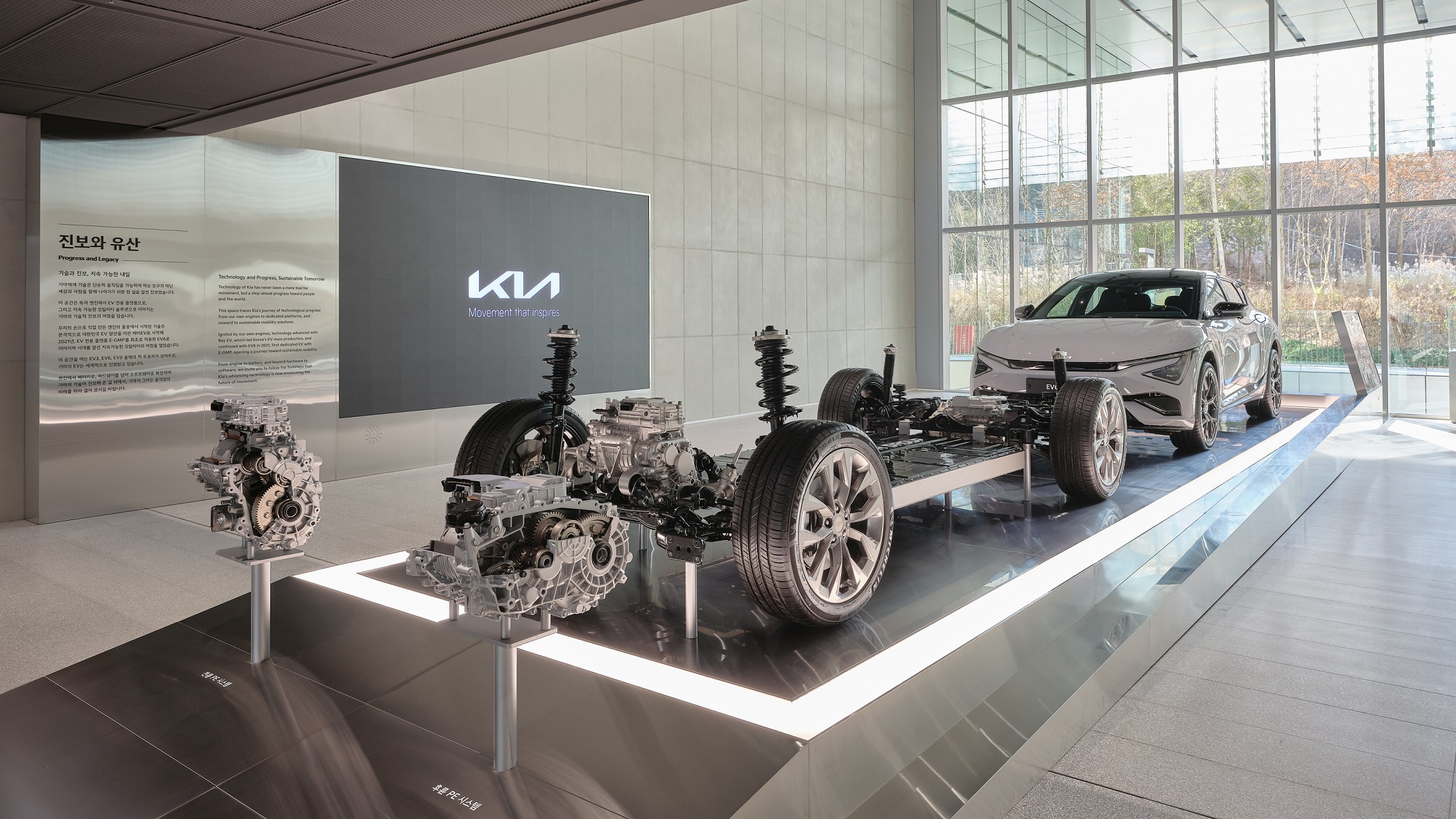
Expanding Kia’s Electric Vehicle Lineup
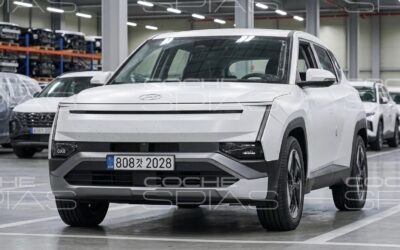
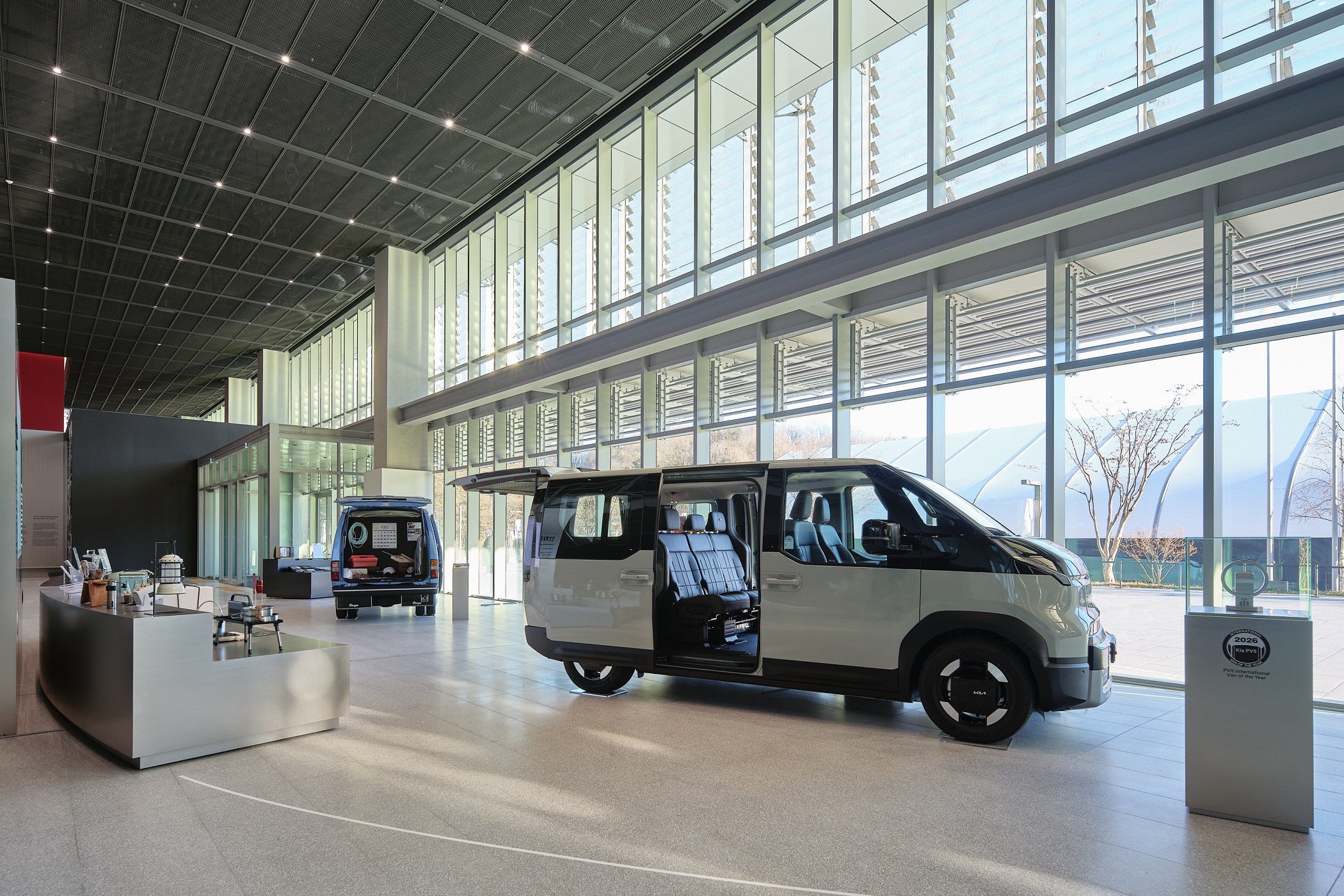
Under Chung’s leadership, Kia broadened its EV portfolio beyond the EV6 and EV9 to include more accessible models such as the EV3, EV4 and EV5. The company also entered the purpose-built vehicle (PBV) market with the launch of the PV5 in 2024.
Production of the PV5 will take place at Kia’s Hwaseong plant with an initial annual capacity of 100,000 units—expected to reach 250,000 as demand grows. This marks Kia’s bold entry into hyperpersonalized mobility solutions.
Global Expansion and Strategic Manufacturing Growth
Building on earlier global ambitions, Chung played a pivotal role in expanding Kia’s overseas manufacturing network. Kia opened its first standalone foreign plant in Zilina, Slovakia, in 2004, followed by its US factory in Georgia in 2006. The Georgia plant went on to produce the K5, a champion model that significantly lifted the brand’s US market presence.
Documenting Kia’s History With Honesty
The anniversary event also celebrated the release of “80 Years of Kia,” the company’s first comprehensive historical publication since joining Hyundai Motor Group. Adviser Lee Chang-kyu emphasized that the book documents the company’s achievements as well as its challenges—reflecting Chung Euisun’s insistence on full transparency.
Professor Kwon Yong-ju of Kookmin University noted that Kia’s revival is rare in global automotive history. Few companies have returned from bankruptcy to rise as leading global brands, making the Hyundai-Kia integration one of the industry’s defining success stories.
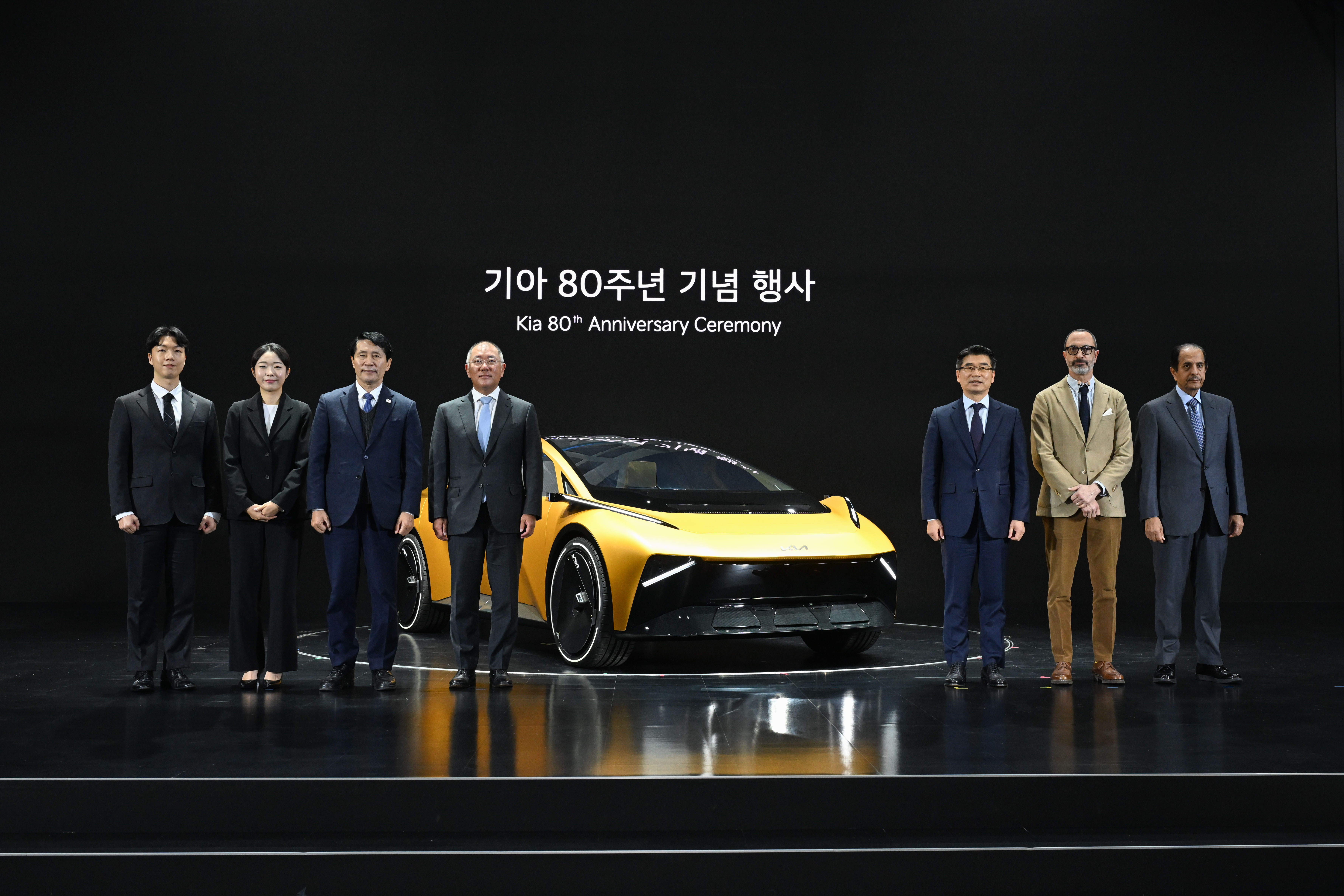
Kia Unveils Vision Meta Turismo Concept
As part of its future-focused showcase, Kia revealed the Vision Meta Turismo concept—a design study highlighting next-generation mobility. The concept blends dynamic performance with a flexible, lounge-like interior aimed at transforming vehicles into spaces for rest, communication and immersive experiences.
Hyundai Motor Group Addresses Autonomous Driving
Chung also addressed the state of Hyundai Motor Group’s autonomous driving development. While acknowledging strong progress from Motional, the group’s US-based self-driving joint venture, he noted that competitors in China and Tesla are advancing rapidly.
However, Chung emphasized that safety will remain the group’s top priority, stating that closing the technology gap matters less than ensuring reliable and secure autonomous driving experiences.