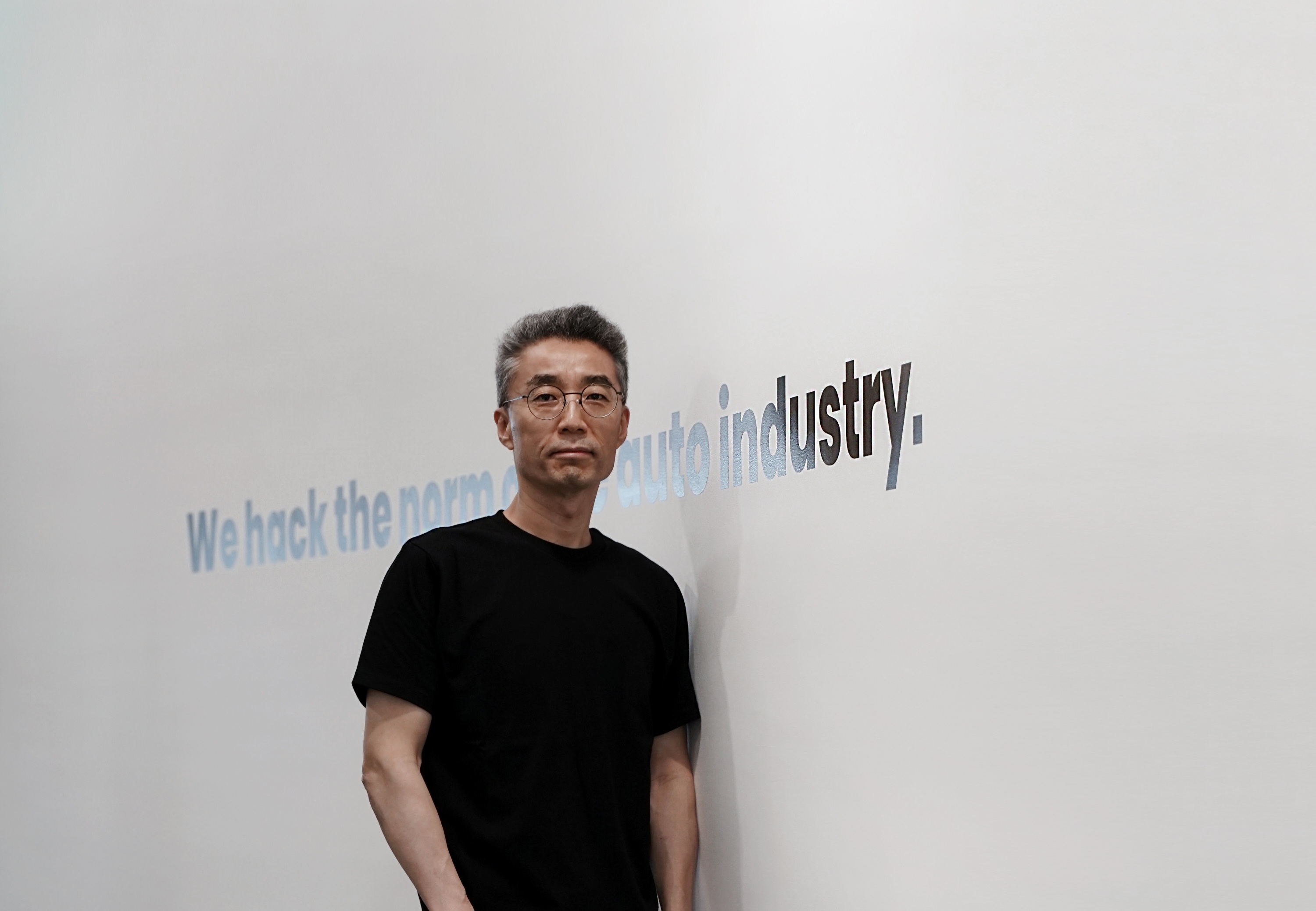
Hyundai Motor Group faces a major shake-up following the resignation of Song Chang-hyeon, president and head of the group’s Advanced Vehicle Platform (AVP) Division and CEO of 42dot, the company’s key software and autonomous driving subsidiary. Song tendered his resignation on December 3, marking a pivotal moment in Hyundai’s long-term strategy to transition from a hardware-driven automaker to a leader in software-defined vehicles (SDVs).
Industry observers note that the timing of Song’s departure coincides with a crucial shift in the global autonomous driving landscape—Tesla’s aggressive rollout of its newest Full Self-Driving (FSD) update, a move that could heighten pressure on competitors and expose gaps in their own autonomous driving development.
Internal Strain Within Hyundai’s SDV Transition
In a farewell message sent to employees at 42dot, Song stated that after meeting with Hyundai Motor Group Chairman Chung Eui-sun, he made the decision to step down from both the AVP leadership role and his CEO position at 42dot. He acknowledged the potential confusion his departure may cause but urged the team to continue building the “bridges” he could not complete.
Song’s statement revealed deep internal friction. He described the process of steering a traditionally hardware-centric company toward software-first vehicle development as “truly not easy and not smooth.” He highlighted frequent clashes between startup-style innovation and established corporate structures, emphasizing that the challenge of turning Hyundai into an AI-driven mobility company often felt overwhelming.
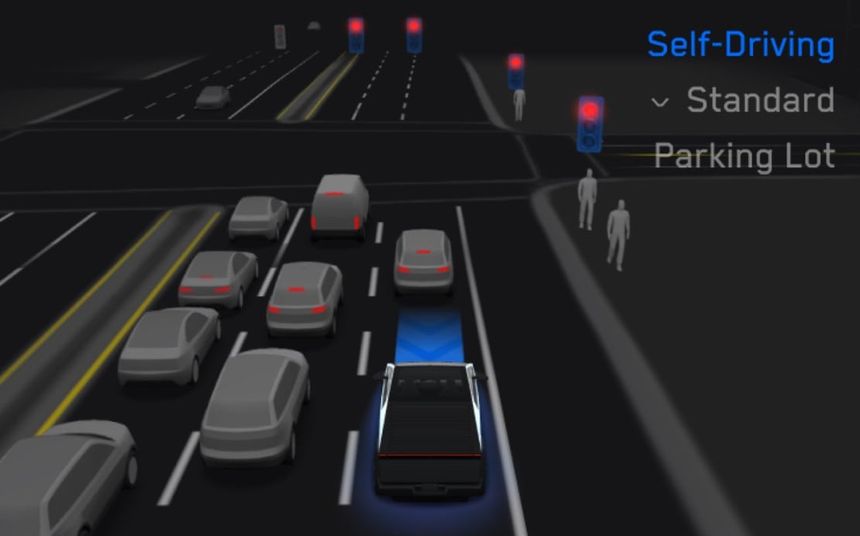
Tesla’s Latest FSD Update Came Like a Storm in Korea
A Struggle for Results in Autonomous Driving
Industry insiders suggest that Song resigned partly to take responsibility for the lack of breakthrough results in Hyundai’s autonomous driving program. Hyundai had originally pursued a rule-based method built on extensive driving data and scenario modeling. After Hyundai acquired 42dot in 2022 and placed Song in charge, the company pivoted toward end-to-end AI-based autonomous driving, a strategy similar to Tesla’s.
However, the shift did not yield the competitive edge Hyundai had hoped for. Despite heavy investment, Hyundai’s progress lagged behind global leaders, drawing criticism from both internal stakeholders and market analysts.
Tesla’s Latest FSD Update Raises the Stakes
The resignation comes at a time when Tesla is rapidly accelerating the domestic rollout of its latest Full Self-Driving Supervised update, a leap that significantly widens the performance gap in the autonomous driving race.
Tesla’s new FSD update features major advancements in perception, decision-making, and real-world driving capabilities. Its increasingly robust end-to-end AI framework highlights the challenges facing automakers still transitioning from traditional, rules-based systems.
Industry experts note that this timing is not coincidental. The competitive pressure intensified by Tesla’s new FSD release may have:
- Exposed weaknesses in Hyundai’s current autonomous driving roadmap
- Amplified internal debates over the direction Song was pushing
- Accelerated leadership accountability, ultimately contributing to Song’s decision to step down
As Tesla demonstrates rapid, visible progress, the expectations for established automakers like Hyundai rise accordingly—and so does the scrutiny.
Global Competitors Move Ahead
Beyond Tesla, rivals such as Mercedes-Benz, BMW, and Honda have already equipped production vehicles with Level 3 conditional autonomous driving systems in overseas markets. These global advancements emphasize the rapidly widening gap that Hyundai must work to close.
What Song’s Departure Means for Hyundai’s Future
Song, formerly Naver’s first CTO before founding 42dot in 2019, had been central to Hyundai’s SDV transformation. His resignation leaves critical questions about the company’s next steps:
- Will Hyundai double down on end-to-end autonomous driving?
- Will it revert to a more conservative, rule-based approach?
- Or will it pursue a hybrid strategy to accelerate progress?
What is clear is that Hyundai faces a decisive turning point. With competitors pushing forward—led by Tesla’s continuously advancing FSD platform—the pressure is stronger than ever for Hyundai to refine its vision, strengthen its SDV execution, and stabilize its leadership structure.