The long-standing rivalry between Korea’s favorite “twin” SUVs has taken a dramatic turn. While the Kia Sorento solidified its place as the No. 1 best-selling vehicle in South Korea for 2025, the Hyundai Santa Fe has experienced a historic slump, tumbling out of the domestic top 10 for three consecutive months. What was once a neck-and-neck race has transformed into a cautionary tale of how radical design choices can alienate a core fan base.
The Sales Collapse: A 42,000-Unit Gap
In late 2023, the sales margin between the two SUVs was a mere 446 units. By the end of 2025, that gap had widened to a staggering 42,113 units.
The January 2026 data highlights the severity of the Santa Fe’s decline:
- Kia Sorento: 8,388 units (No. 1 overall)
- Hyundai Santa Fe: 3,379 units (Failed to reach Top 10)
Even within the Hyundai family, the Santa Fe is now being outperformed by the Palisade (4,994 units) and the Tucson (4,269 units), suggesting that buyers are looking both above and below the Santa Fe to avoid its current iteration.
The “Bone-tafe” Backlash: When Innovation Backfires
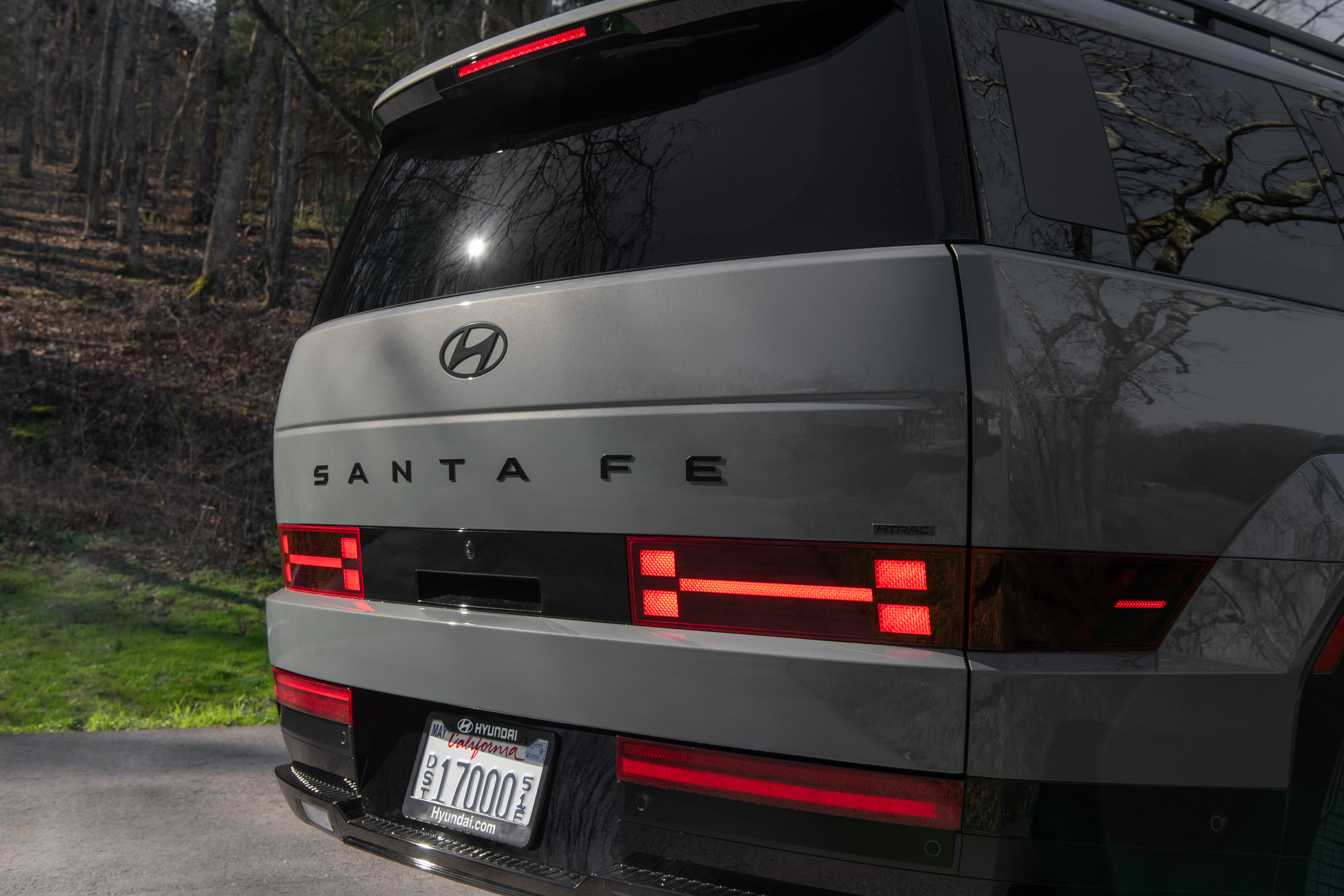
The divergence began in September 2023 with the launch of the fifth-generation Santa Fe. Hyundai ditched the urban aesthetic for a “boxy” silhouette and a polarizing “H” motif.
Key Design Criticisms:
- The “H” Motif: Intended to reinterpret the Hyundai badge, the H-shaped headlamps and rear lights were widely panned.
- The “Bone-tafe” Nickname: Consumers quickly dubbed the car the “Bone-tafe,” claiming the lighting elements looked like cartoon dog bones.
- Unfamiliarity: Automotive experts suggest the design strayed too far from the Santa Fe’s heritage.
“Consumers say they want new designs, but when a car strays too far from its existing image, many perceive it as unfamiliar or awkward,” explains Prof. Kwon Yong-joo of Kookmin University.
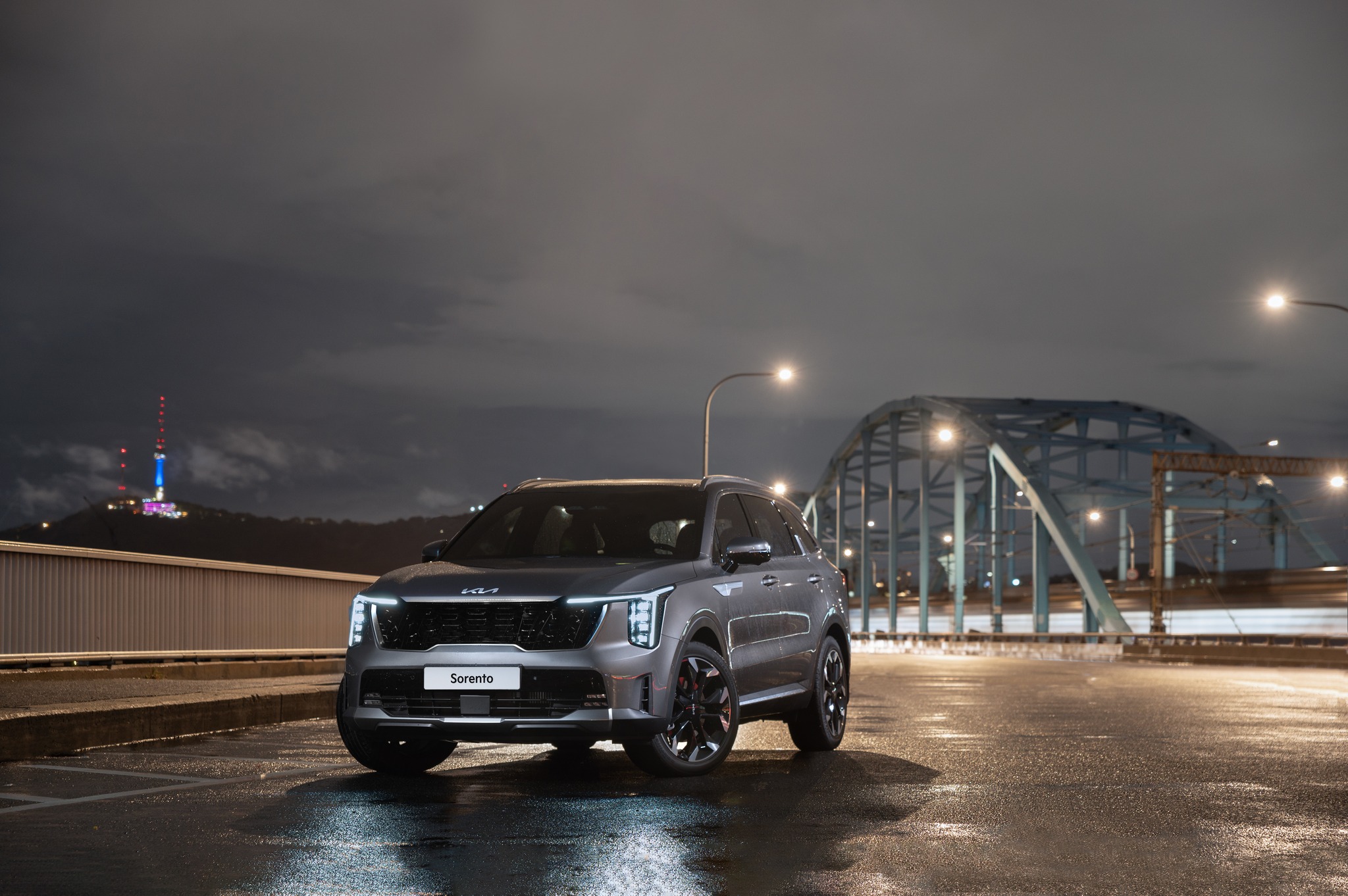
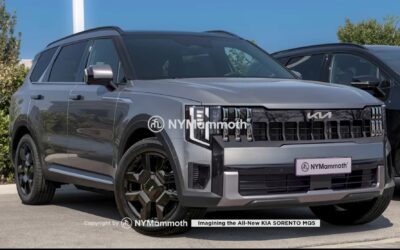
By contrast, the Kia Sorento has thrived by sticking to a “familiar” design language that aligns with Kia’s broader, more cohesive lineup, making it a safer and more prestigious choice for family buyers.
Technical Parity vs. Visual Identity
What makes this sales gap so striking is that the two vehicles are virtually identical under the hood. Both SUVs are built on the same platform and offer:
- 2.5-liter Gasoline Turbo engine.
- 1.6-liter Turbo Hybrid powertrain.
Despite sharing the same “brain” and “muscles,” the Sorento’s “suit” has won over the public, while the Santa Fe’s radical look has left it in the rearview mirror. Currently, popular Sorento trims still command a 3-to-5-month delivery wait time, while Santa Fe units sit on lots.
Can an Upgraded Model Save the Santa Fe?
Hyundai isn’t giving up. Industry insiders expect an upgraded version of the Santa Fe to debut later this year. To combat the sales slump, Hyundai is reportedly leaning into new technology, including:
- Range-Extended Electric Vehicle (EREV) trims.
- Potential styling changes that will completely eliminate the “Bone-tafe” image.
Whether a powertrain upgrade can overcome a design deficit remains to be seen. For now, the Kia Sorento remains the undisputed king of the Korean road.
News Source: Korea JoongAng Daily