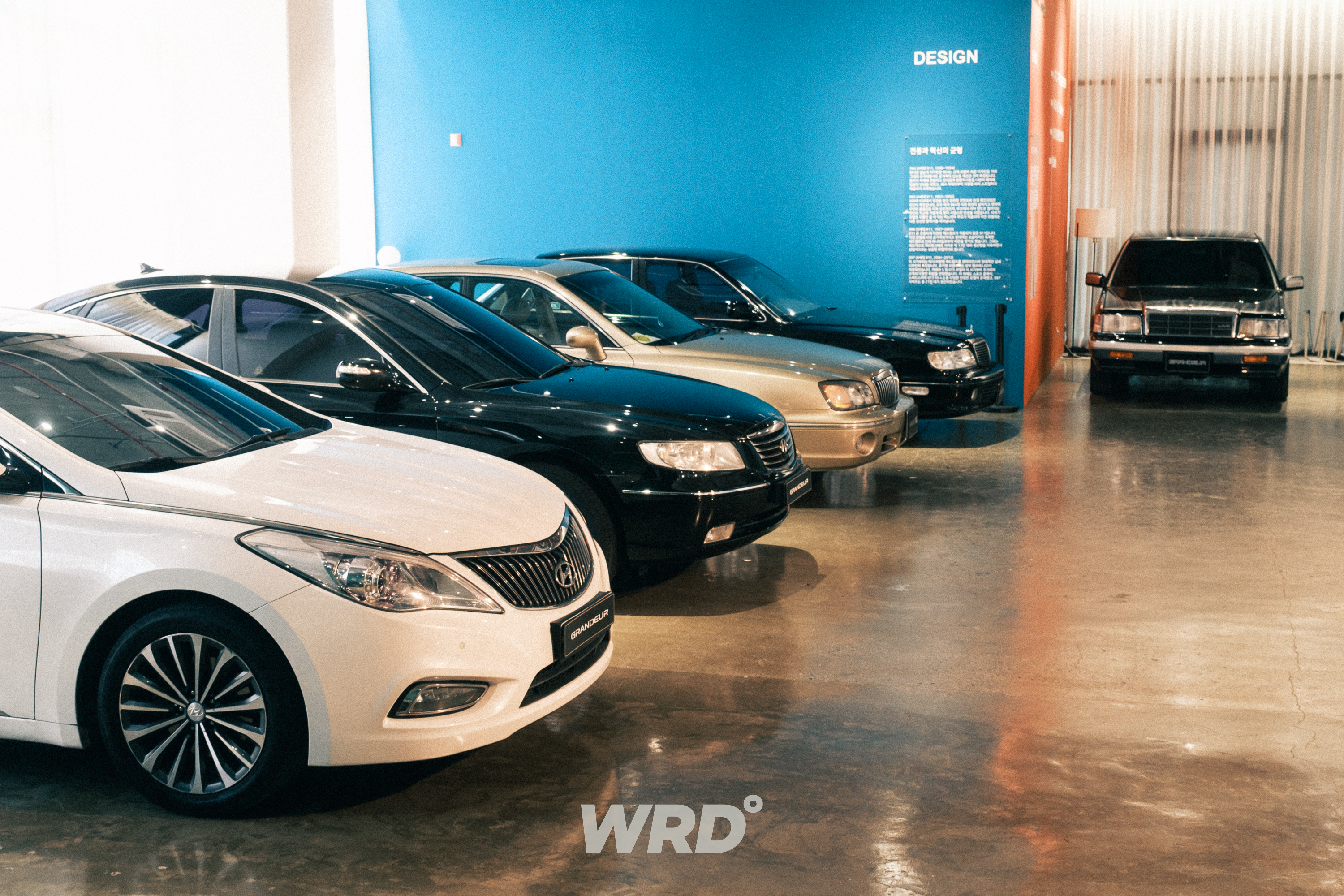
Most people outside Korea have never sat in a Hyundai Grandeur. Some have never heard of it. If they have, it was probably under a different name, Azera. On an American dealer lot a decade ago, easy to walk past.
That’s a gap worth closing. No other car in Hyundai’s lineup has tracked a country’s transformation as precisely as this one. From 2017 through 2020, Grandeur was the best-selling vehicle in all of South Korea. Not best-selling sedan. Best-selling vehicle, outselling every SUV, crossover, and compact on the market. A full-size sedan, at the top of the chart, in the middle of the SUV era. No other market on earth has done that.
But the Grandeur didn’t start as a people’s car. It started as a car for presidents and chairmen — and watching how it got from there to here is watching Korea itself.
Watch WRD’s complete documentary on the Grandeur’s 40-year heritage below.
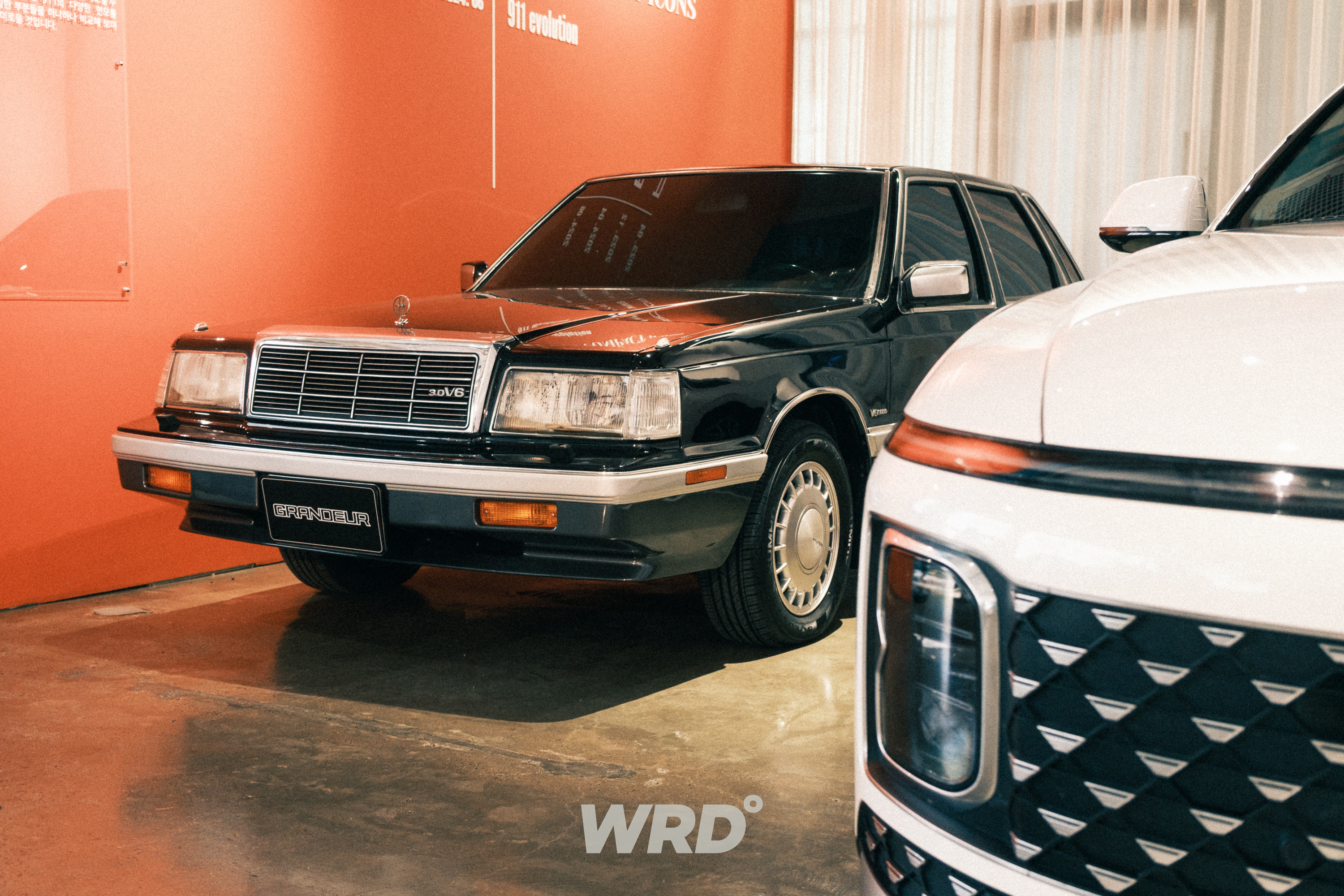
The Chairman’s Car (1st Generation, 1986)
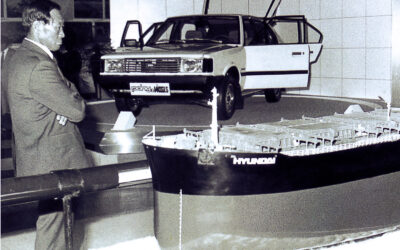
The Grandeur exists because Korea was about to host the 1988 Olympics and Hyundai had no flagship. The Ford Granada, assembled locally from imported parts, was ending production. Hyundai’s largest model was the Stellar, too small and too modest to represent a nation on the world stage.
A partnership with Mitsubishi provided the platform and engines. Mitsubishi needed the cost-sharing to finally replace their Debonair, a luxury sedan so commercially irrelevant it sold only a few hundred units a year to group companies. Hyundai needed everything else: the platform, the powertrain, the engineering know-how for a car they couldn’t yet build alone.
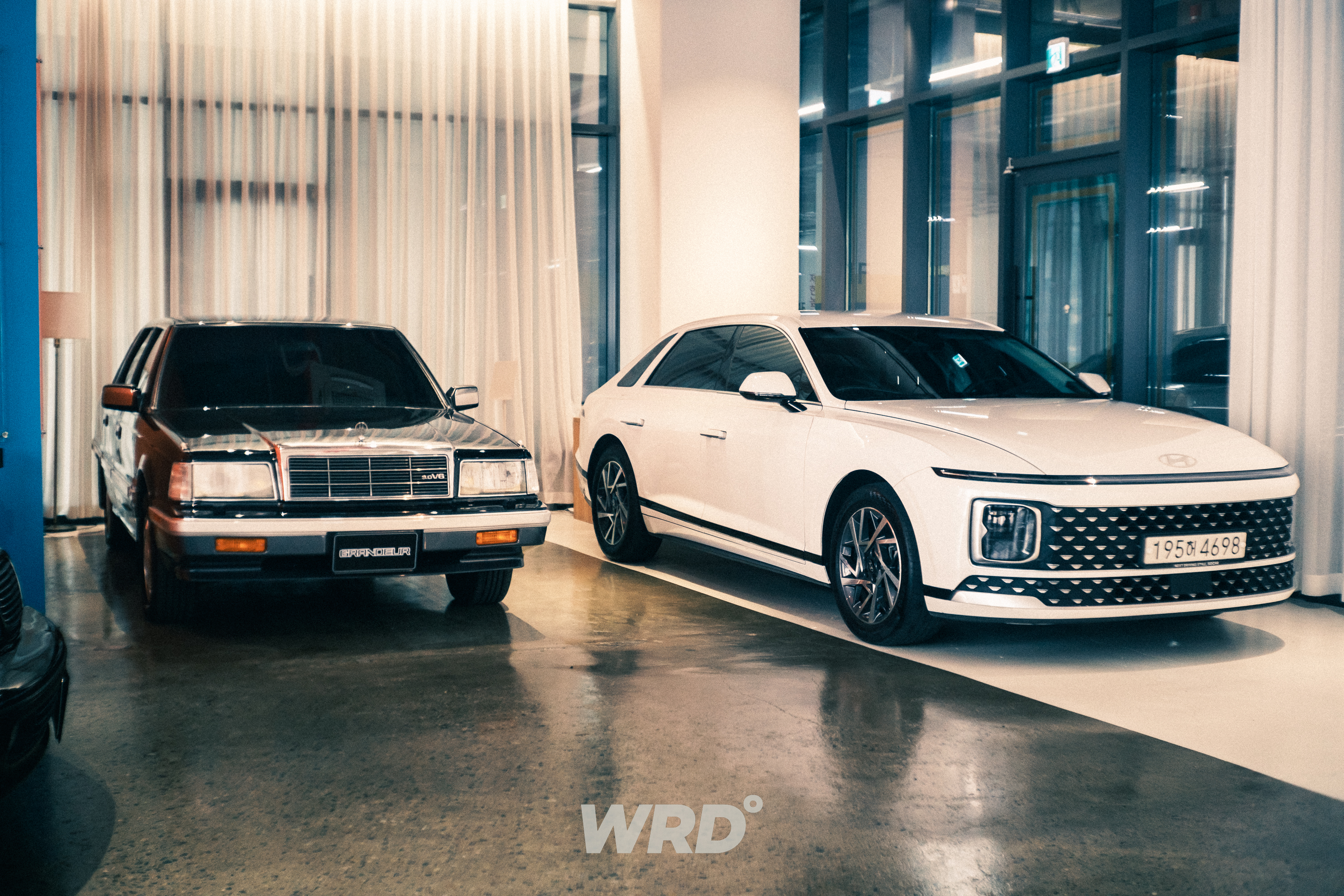
The result was the “Gak Grandeur,” the angular Grandeur. Sharp, authoritative lines. The launch model carried a 2.0-liter four-cylinder with a manual transmission. When the V6 3.0-liter arrived later, its price of 28.9 million won was the equivalent of roughly 100 million won today. At a time when a starting salary at a top corporation was 300,000 won a month, this was not a car for ordinary people. Korean dramas and films used it as visual shorthand: if a character stepped out of a Grandeur, you knew exactly who they were.
Even so, Hyundai specced the Korean version with features Mitsubishi didn’t offer on the Debonair: headlamp washers, a leather-wrapped steering wheel, richer interior trim. From day one, the student was quietly outfitting the teacher.
Following a Country Through Its Cars
Each generation after the first maps precisely onto where Korea was as a society.
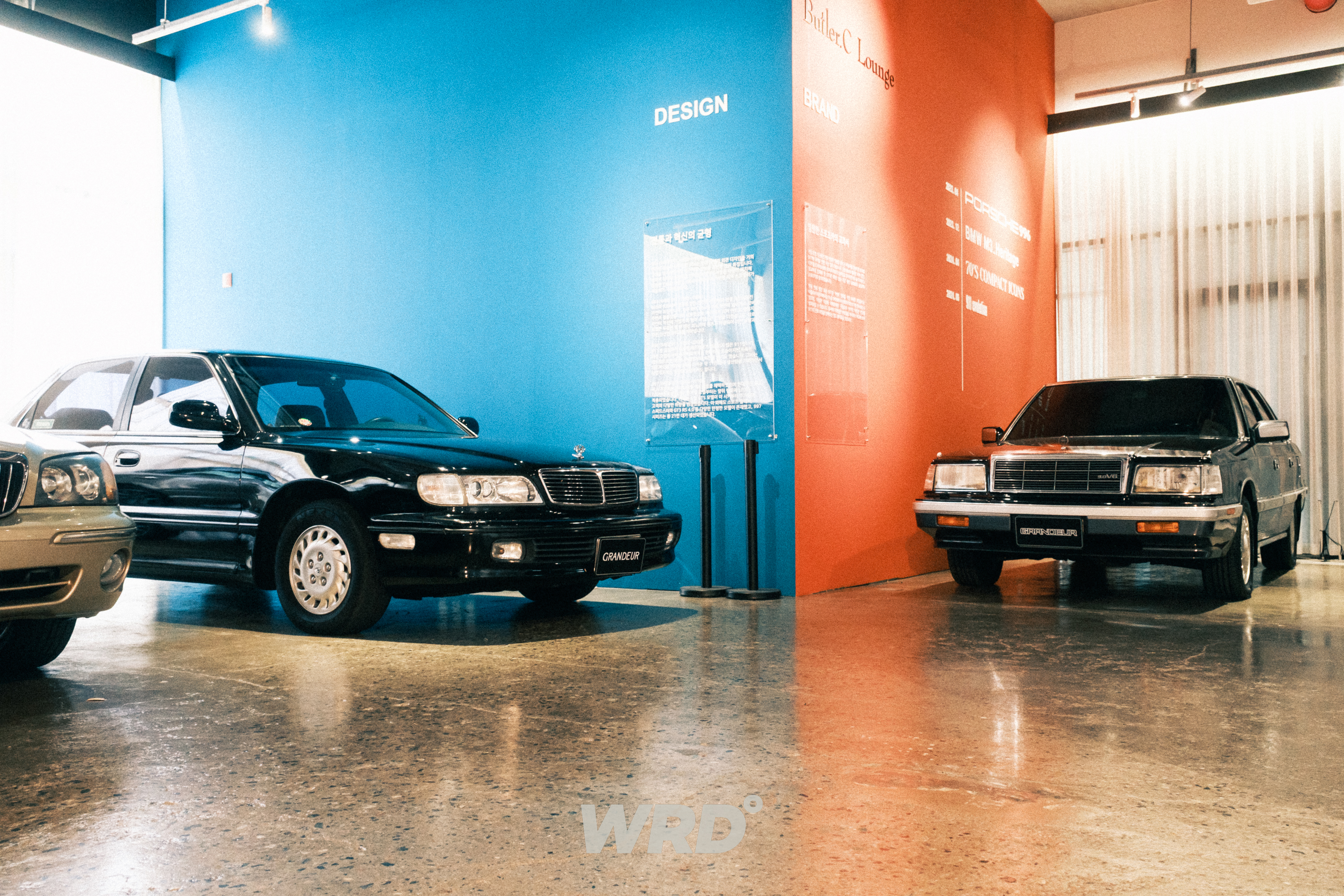
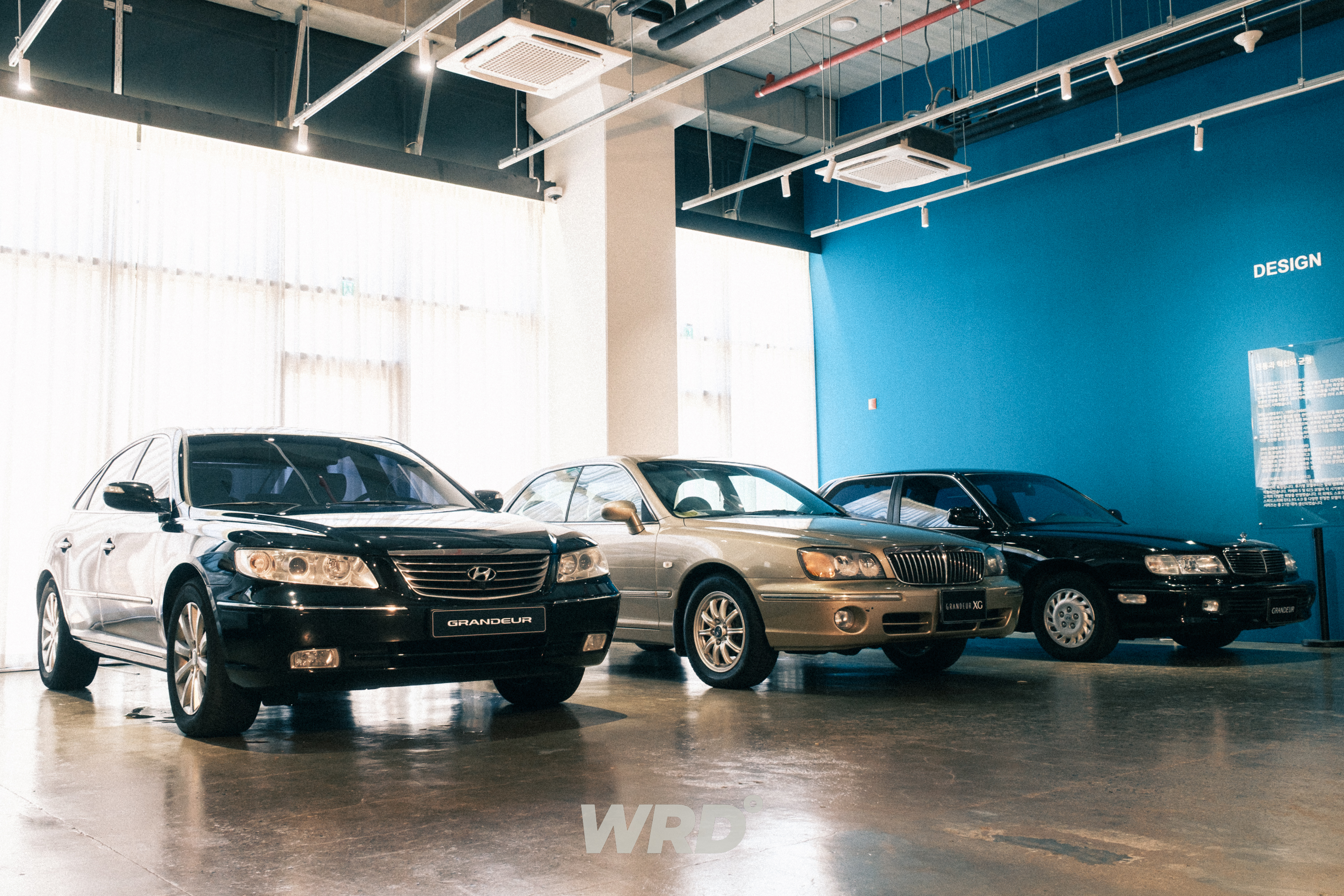
New Grandeur (1992): Angular authority softened into flowing curves during Korea’s economic boom. Dynasty arrived above it in 1996 as the new flagship, and Grandeur stepped off the throne, moving from chairman’s car to father’s car. The 2nd gen was still co-developed with Mitsubishi, but Hyundai now led body design. The same car sold in Japan as the 3rd-generation Debonair. It flopped there. The Korean version outsold the Japanese original by orders of magnitude.
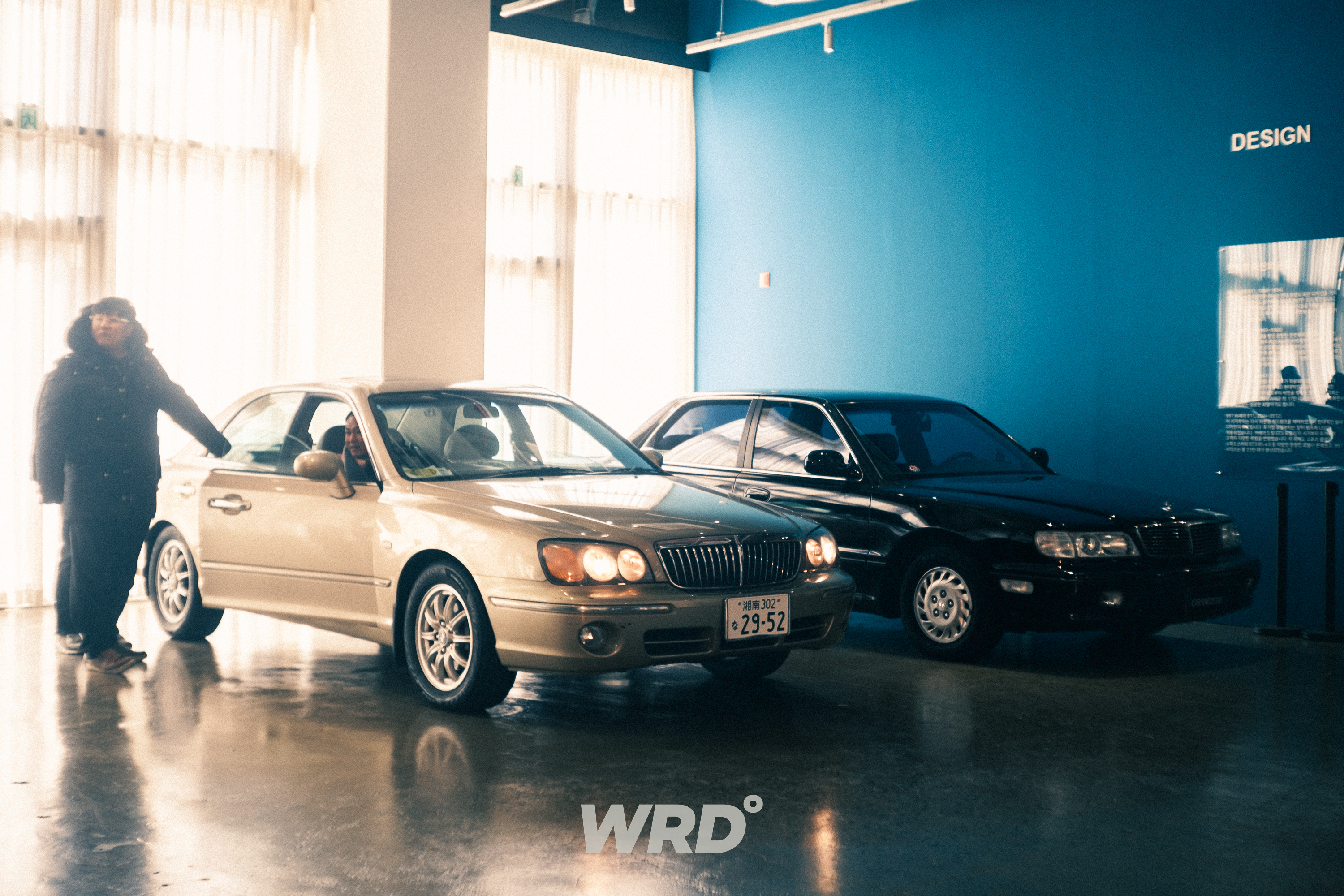
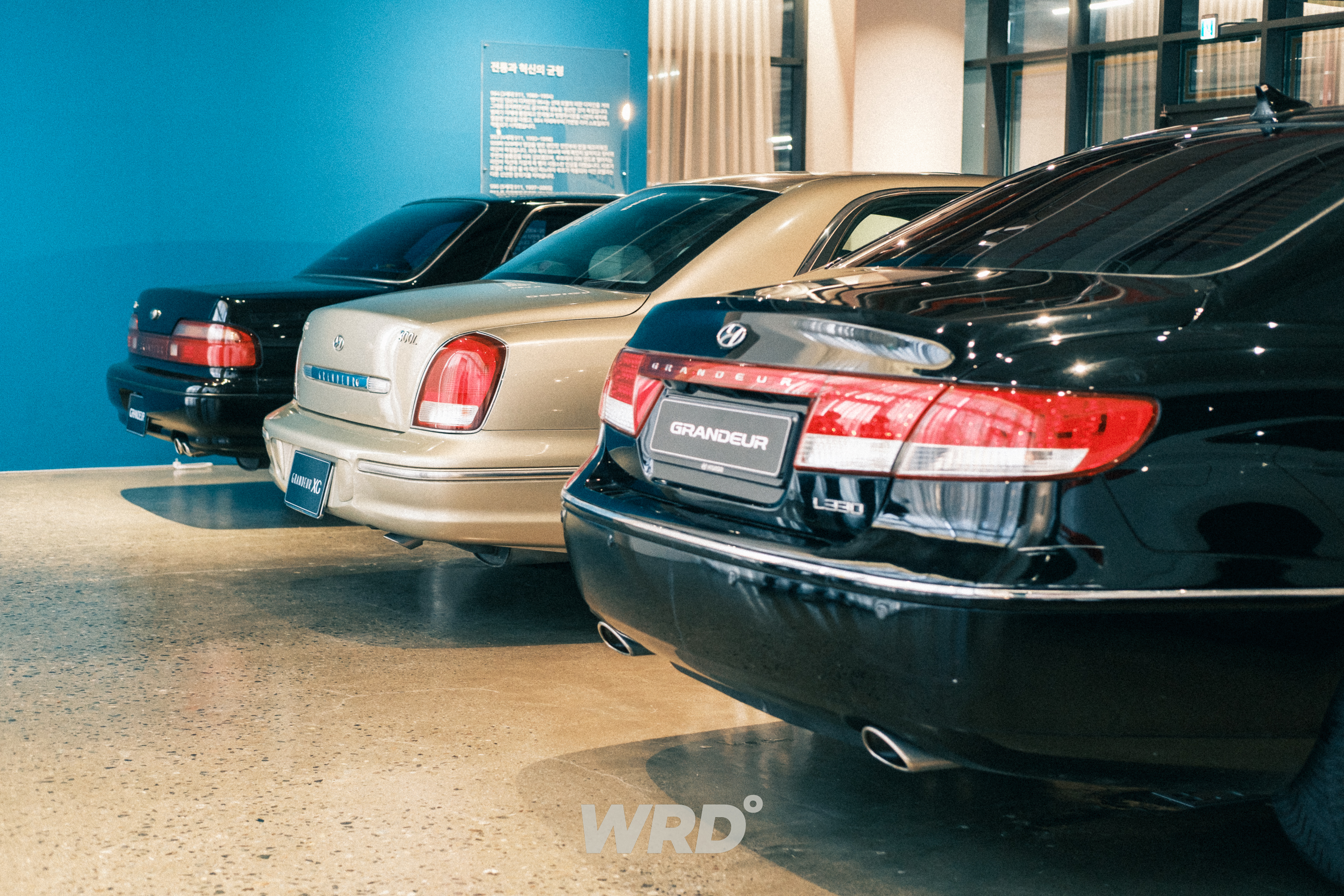
XG (1998): Launched into the IMF financial crisis under the name “eXtra Glory.” The most important Grandeur ever built, and the first developed entirely without Mitsubishi. Independent platform, frameless doors, full engineering autonomy. Also the first Grandeur exported seriously, reaching the US, Europe, and Japan. A car that had started life on a licensed Japanese platform was now being sold back to Japan as a Korean luxury import. By the mid-1990s, the student had surpassed the teacher. Mitsubishi began its long decline; Hyundai kept climbing.
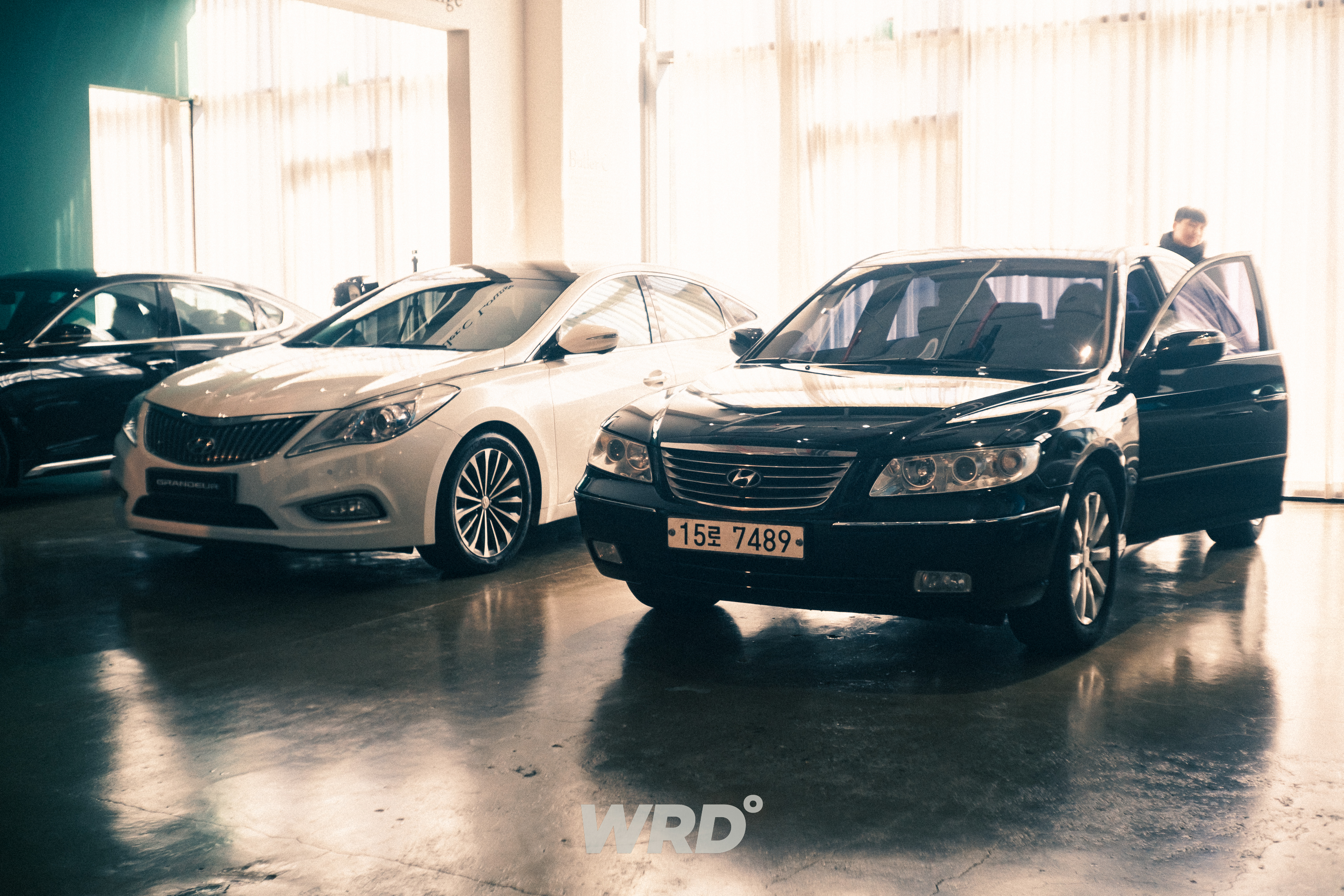
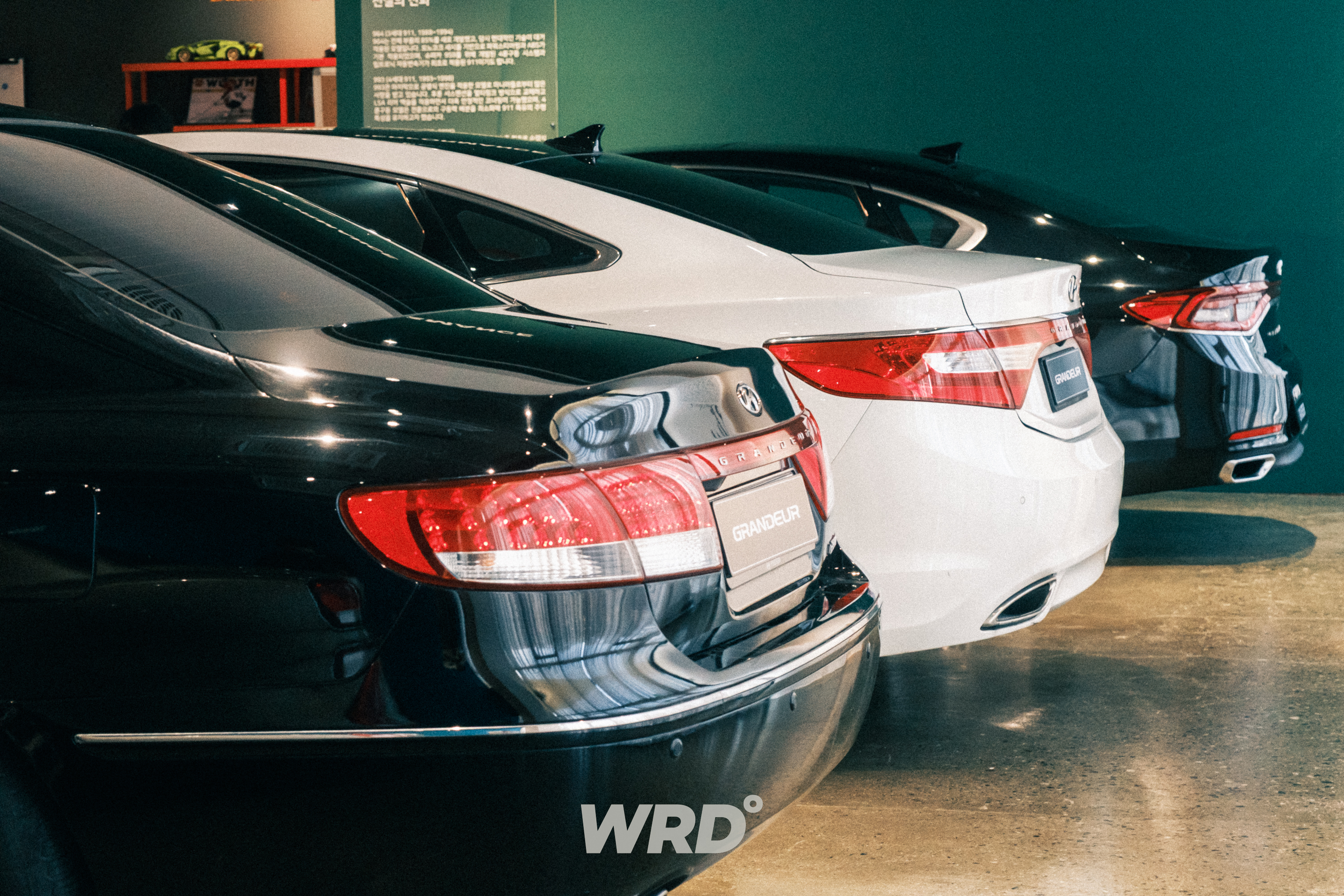
TG (2005): Korea had survived the IMF crisis. The five-day workweek arrived in 2004. People started spending on themselves. In 2009, Hyundai aired the commercial that turned the car into a verb: “I answered with Grandeur.” When life asked the question, this was the answer.
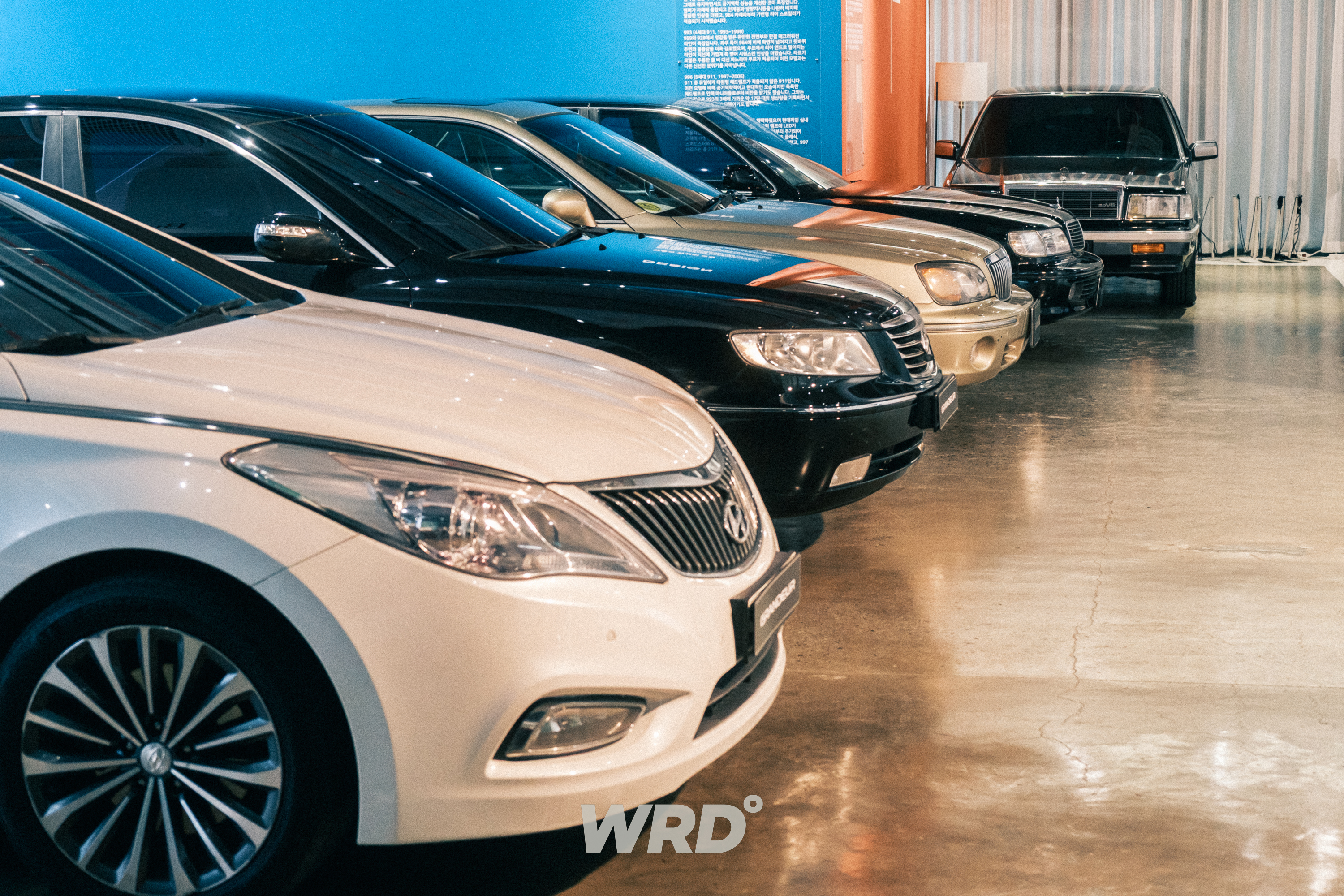
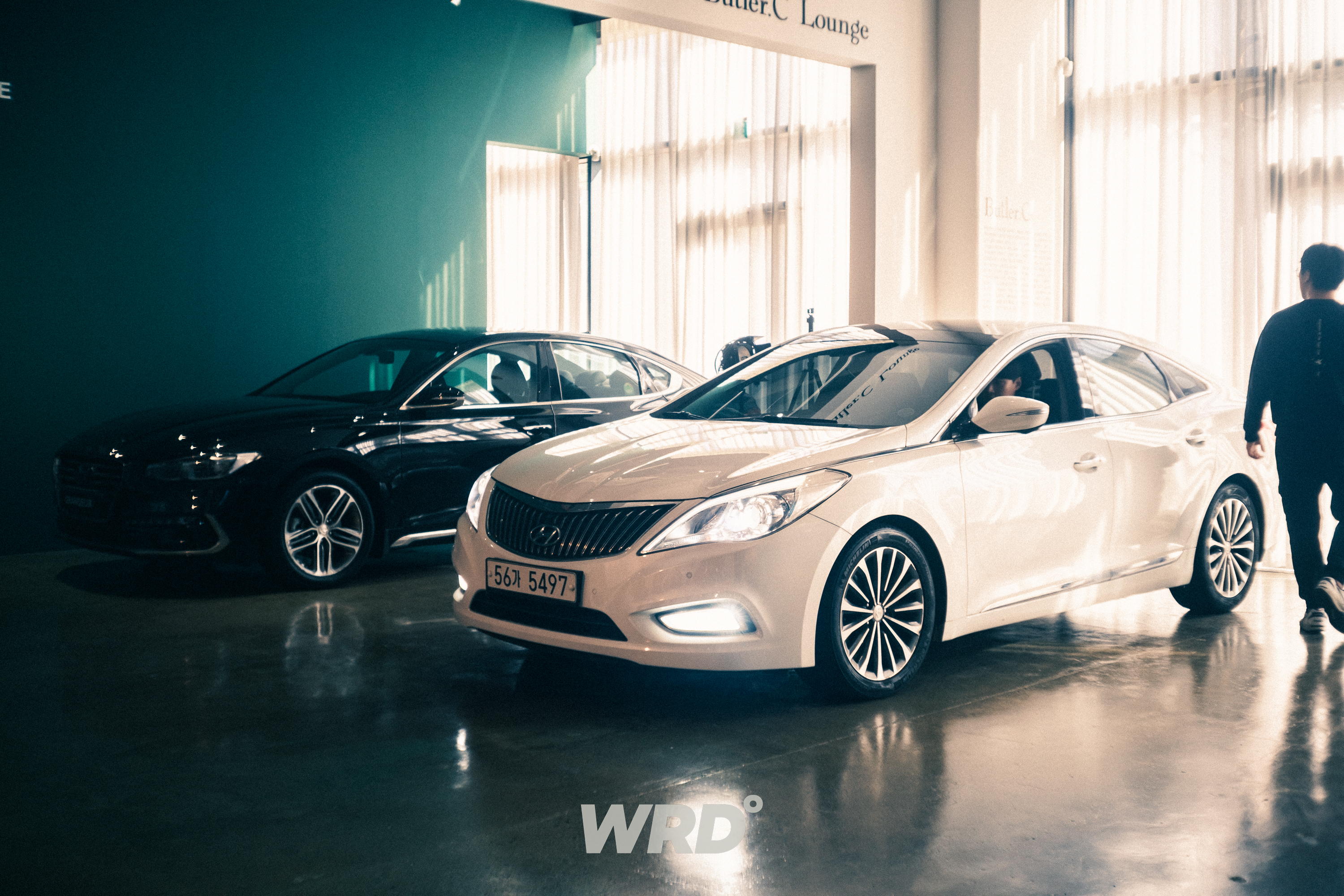
HG (2011): The smartphone era. Hyundai delivered the first unit to actor Hyun Bin, star of Secret Garden. The internet called it “from dad’s car to oppa’s car.” Sold in the US as Azera at around $33,000, priced against the Toyota Avalon, loaded with standard features that reviewers praised. American buyers still walked past. The car wasn’t the problem. The badge was. At $33,000, consumers would rather trust Toyota or stretch to a Lexus ES than bet on Hyundai.
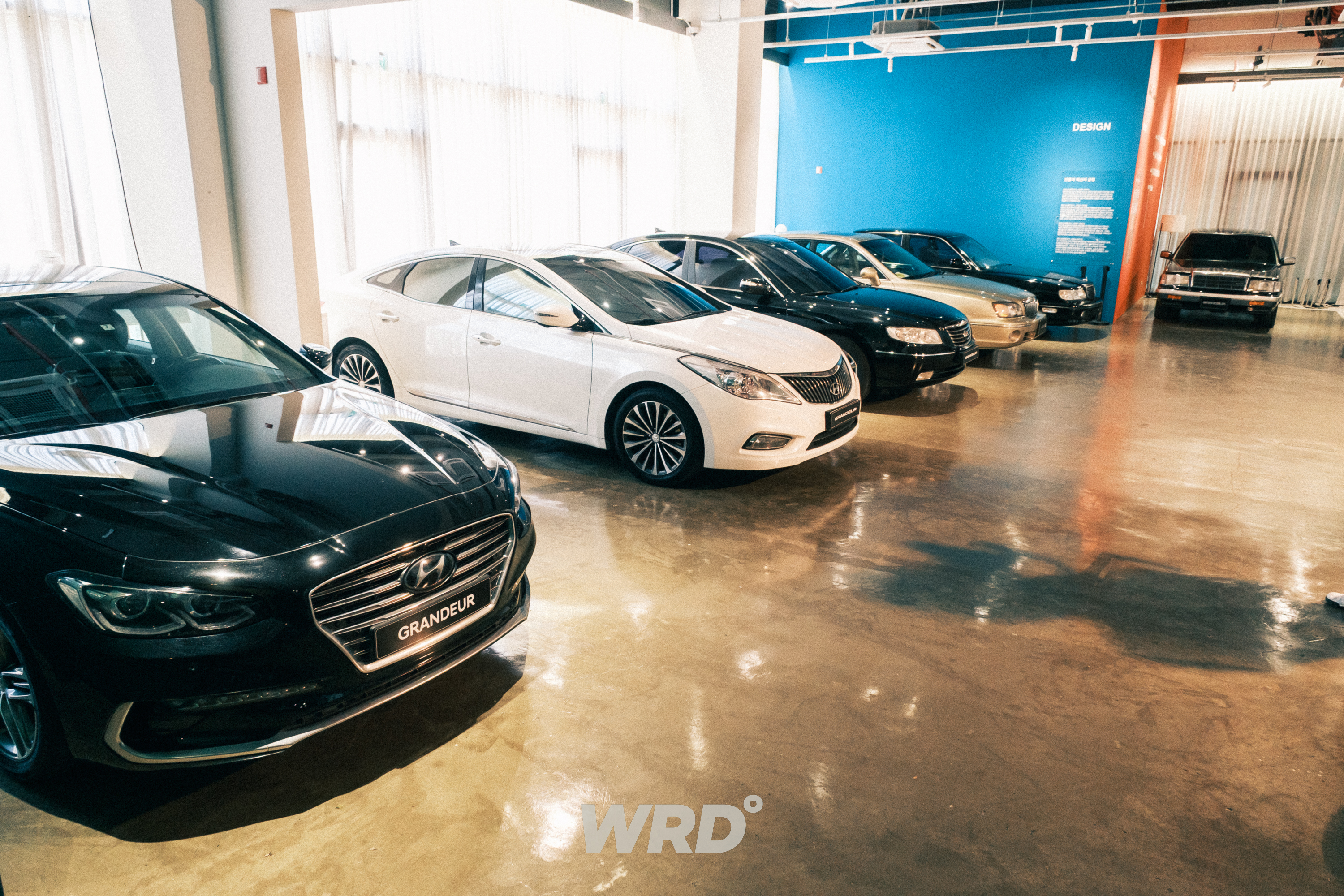
IG (2016): Genesis spun off as a separate brand. Aslan was discontinued. Grandeur reclaimed the top of the Hyundai lineup, then broke the chart. Korea’s best-selling car has always tracked its largest age cohort: Avante for twenties, Sonata for thirties. When the biggest generation hit their forties and fifties, they reached for Grandeur. Four consecutive years as the overall best-seller, 2017 through 2020. The IG was never sold in the United States. Its entire record-breaking run happened at home.
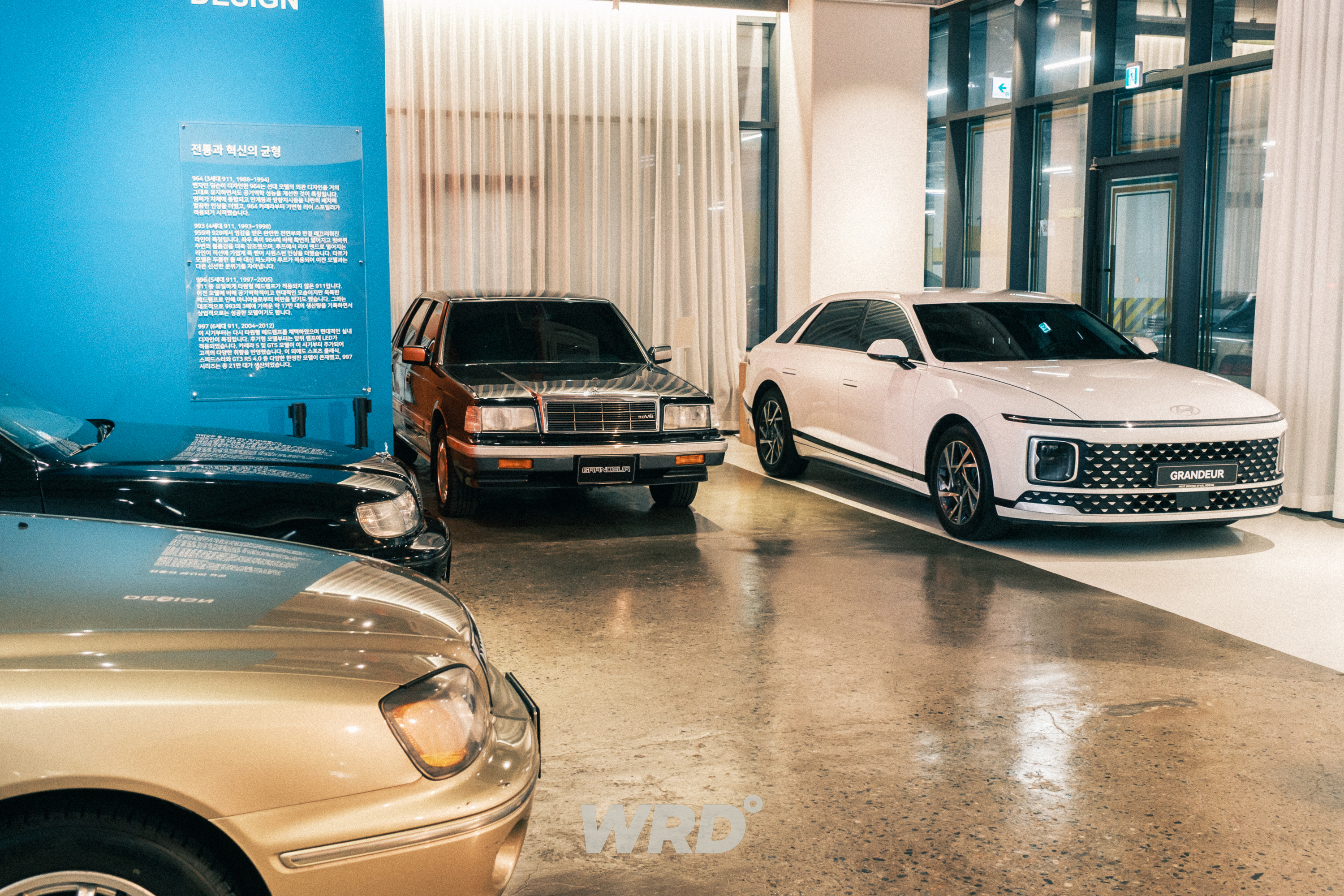
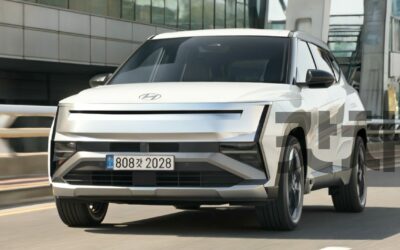
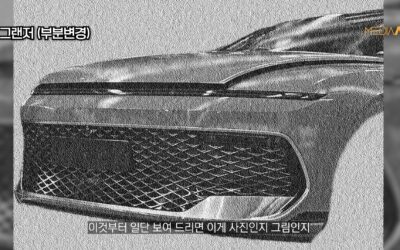
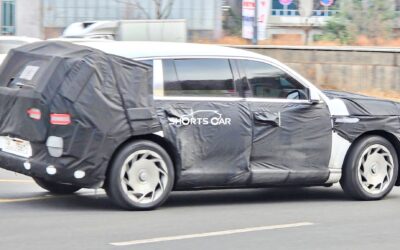
GN7 (2022): Pre-orders hit 110,000 before anyone had driven one. The design compresses heritage from across the lineage: angular lines from the original, frameless doors back from XG, a plump rear fender recalling TG, opera glass C-pillars, single-spoke steering wheel. It fits a 25-year-old as naturally as a 55-year-old.
The Window That Opened Too Early and Closed Too Late
Hyundai sold Grandeur abroad as Azera across multiple generations. The product was competitive. The reviews were positive. The sales never followed, because through the 2000s and into the 2010s, Hyundai’s global brand couldn’t support a flagship. By the time the brand finally earned that credibility, Genesis had launched and claimed the premium sedan lane. Grandeur never got its global moment.
So it remained what it has always been: Korea’s car, for Korea.
For a global audience that knows Hyundai through Tucson and IONIQ, Grandeur is the missing chapter. It’s the car that explains how Hyundai became Hyundai, not through export campaigns but by earning domestic authority one generation at a time, starting from a position where the platform, the engine, and most of the engineering had to come from Japan.
Seven generations later, there’s nothing borrowed left. Just 40 years of Korea, reflected in sheet metal.
About WRD WORLD
WRD WORLD bridges deep automotive knowledge with compelling creative strategy, understanding the nuances from design to engineering, mobility to motorsport. Through our social media channels WRD°, we create original content exploring automotive culture from our unique perspective, building engaged communities of automotive enthusiasts. This dual approach—serving clients while maintaining our own media presence—ensures we stay ahead of trends and deliver cutting-edge solutions. Learn more at wrdworld.com