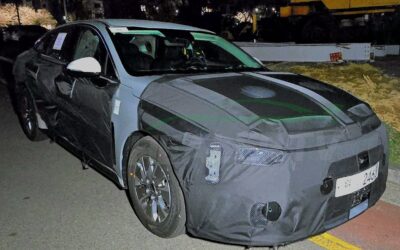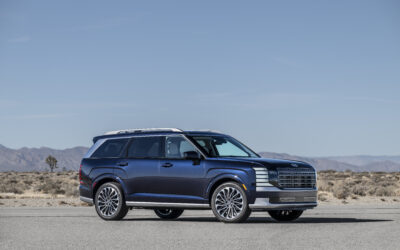
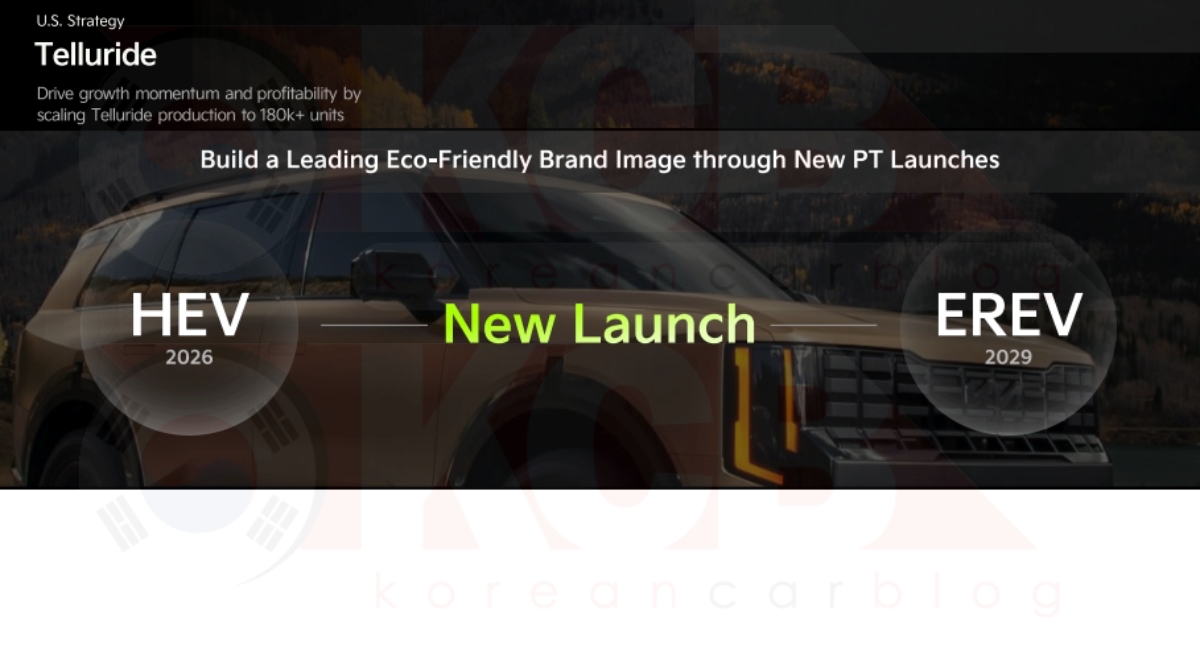
As a central highlight of Kia’s 2026 CEO Investor Day, the automaker unveiled a transformative addition to its most celebrated North American nameplate: the Kia Telluride which was selected to add an EREV (Extended Range Electric Vehicle) derivative before 2029.
Why EREV?
This strategic introduction serves as a cornerstone of Kia’s “Exponential Growth Strategy,” which aims to drive the Telluride’s electrified vehicle sales mix to a dominant 70% by 2030. By introducing the EREV variant, Kia is providing a high-utility solution for customers who desire the performance and environmental benefits of an electric drive but are not yet ready to transition to a full battery electric vehicle (BEV).
Revolutionary Proprietary Technology
The Telluride EREV will utilize Kia’s proprietary electrified system, which represents a significant technological departure from traditional plug-in hybrids. Unlike standard EVs that rely solely on external charging, the EREV architecture employs a generator motor as the primary drive motor.
- Enhanced Driving Range: An onboard internal combustion engine acts strictly as a generator to charge the high-voltage battery while the vehicle is in motion, effectively eliminating range anxiety for long-distance U.S. travel.
- Cost Efficiency: This system allows for optimized battery sizing, which Kia intends to leverage to reduce overall battery costs while maintaining the vehicle’s competitive pricing in the mid-size segment.
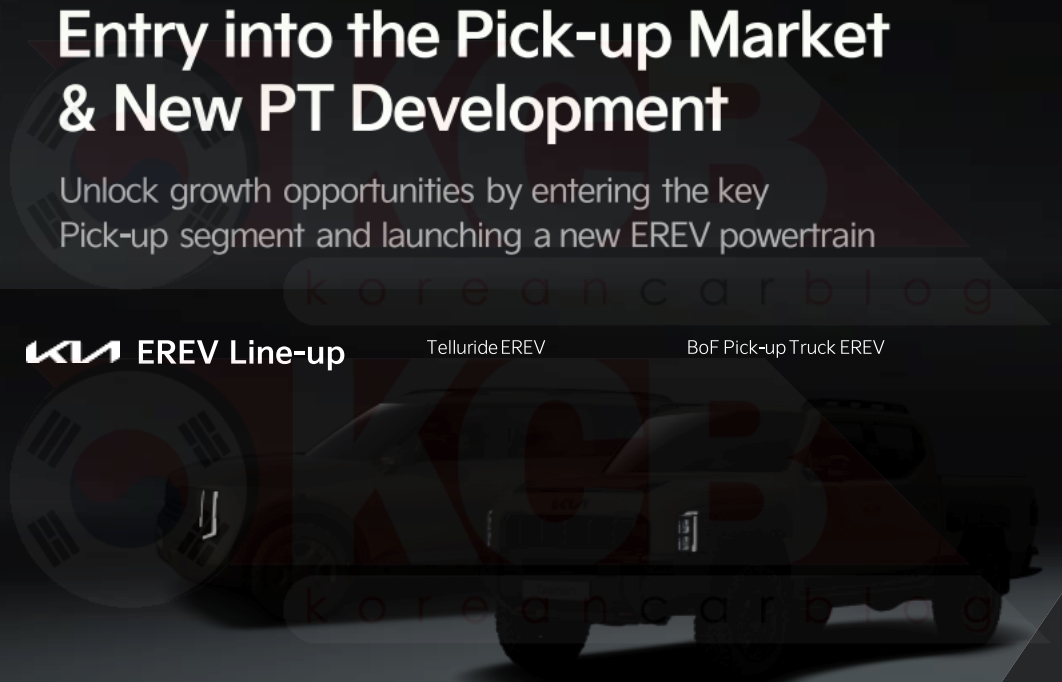
U.S. Market Launch and Production Scaling
Kia has detailed a phased rollout for the next generation of its iconic flagship SUV in North America. The journey begins in 2026 with the launch of the next-generation Telluride internal combustion engine (ICE) and a new Hybrid Electric Vehicle (HEV) model. This will be followed by the official U.S. market debut of the Telluride EREV in 2029. To support this expansion, Kia aims to scale Telluride production to over 180,000 units annually, securing a top-three position in the highly competitive U.S. mid-size SUV segment and achieving a 10% segment market share by 2030.